
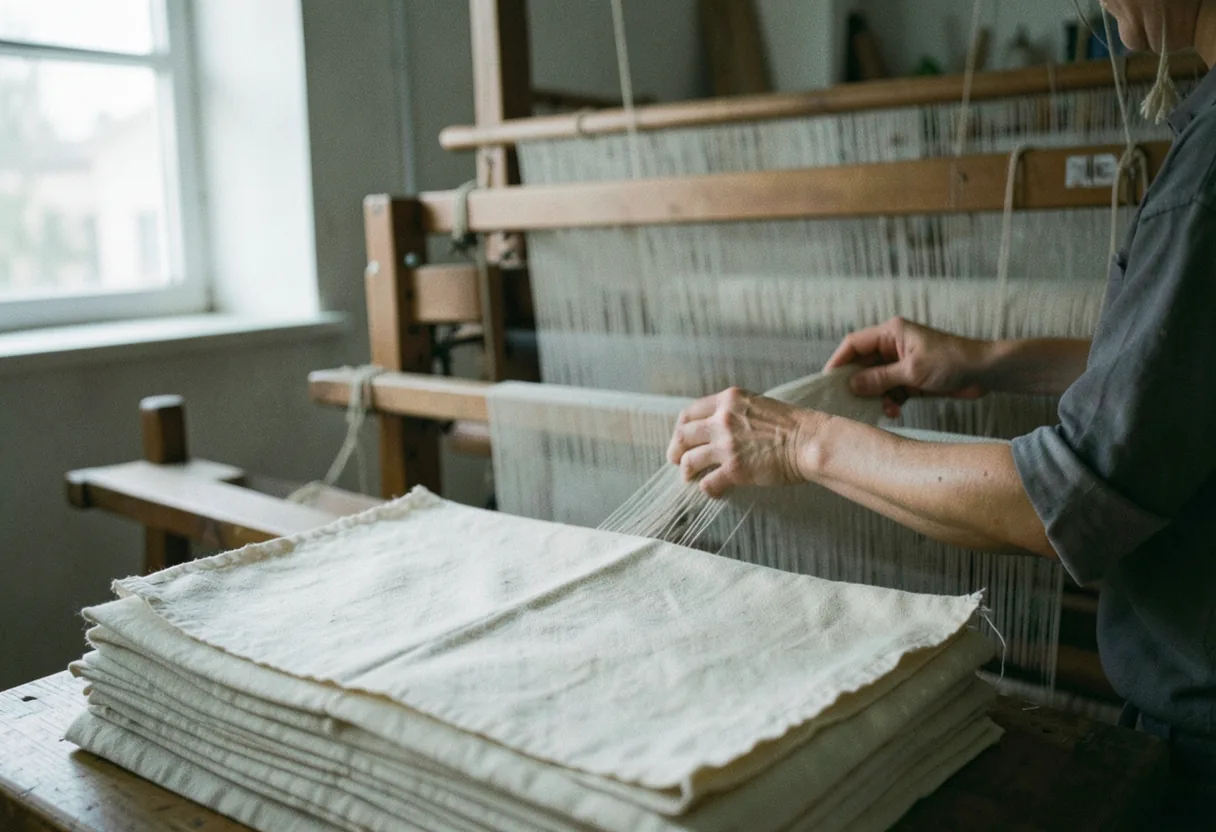
Emily Mitchell · on 18 July 2026 · 9 min read · Last reviewed 18 July 2026
Linen and fabric refers to apparel made from flax fibers, a sustainable material with a 30,000-year history now experiencing a resurgence in eco-conscious fashion.
In plain terms: think of linen like the heirloom vegetable of fabrics, flax seeds grow with minimal water, and the fibers require little processing, making it a low-impact crop compared to thirsty crops like conventional cotton.
Key facts
- The flax plant requires 50-70% less water than cotton and thrives without pesticides
- Linen is inherently biodegradable, returning to soil within weeks
- The fabric’s natural texture creates a unique slub appearance that softens with wear
- Linen production generates far fewer microplastics than synthetic fabrics
What is sustainable apparel sourcing?
Sustainable apparel sourcing prioritizes materials and practices that minimize environmental harm, such as linen’s low-water flax cultivation and minimal chemical processing.
In my experience, brands often overlook the full lifecycle of fabrics, but sustainable sourcing means evaluating everything from soil health to end-of-life disposal. For instance, linen’s natural rot resistance reduces reliance on chemical finishes. The Environmental Impact of Fast Fashion becomes apparent when compared to linen’s durability, garments last years without pilling or stretching out.
Sustainable sourcing vs traditional sourcing
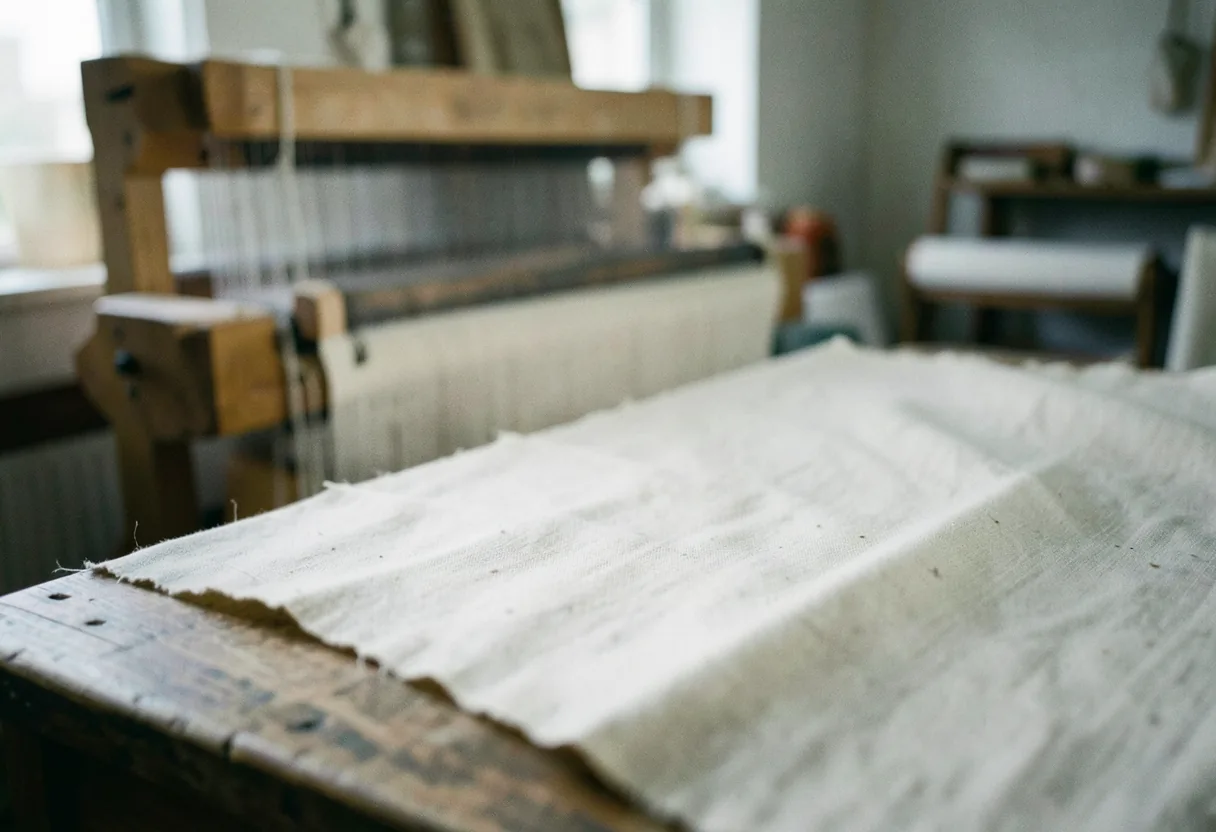
Sustainable sourcing emphasizes regenerative agriculture and closed-loop systems, whereas traditional sourcing often relies on resource-intensive monocrops like conventional cotton.
Traditional cotton farming consumes 2,700 liters of water per kilogram, while flax for linen uses just 6.4 liters per kilogram, according to the European Confederation of Linen and Hemp. Additionally, linen production emits 2.6 kg of CO2 per kilogram, compared to cotton’s 10.1 kg. The key difference lies in the intentional design of sustainable systems, flax fields often rotate with other crops, enhancing soil fertility.
What a sustainable supply chain looks like
A sustainable supply chain for linen fabric connects small-scale flax farmers to ethical mills, ensuring transparency at every stage.
For example, the Belgian Linen supply chain traces fibers from fields in Normandy to weaving facilities in Northern France. Mills like Linen Quarter use mechanical processing to retain linen’s natural qualities, avoiding harsh chemicals. This contrasts with fast fashion’s opaque, globalized networks. To integrate linen into your brand, source through certified suppliers like the Flax Council of the U.S., which audits farms and mills.
Sustainable sourcing matters, for your brand and consumers
Building brand credibility and meeting Gen Z’s demand for transparency, 67% of this demographic is willing to pay more for sustainable goods.
When I reviewed Patagonia’s linen line, I noticed their labeling details each garment’s flax farm and mill location, a practice that resonates with younger consumers. Brands like Eileen Fisher further commit by using only deadstock linen to eliminate waste. The takeaway? Highlighting linen’s 30,000-year history and regenerative benefits creates compelling storytelling.
The environmental impact of fast fashion
The environmental impact of fast fashion includes massive water use, chemical pollution, and textile waste, problems linen fabrication inherently mitigates.
According to the Ellen MacArthur Foundation, the fashion industry discards 92 million tons of waste annually, much of it synthetic. Linen’s biodegradability and durability combat this trend. For instance, a linen shirt lasts two to three times longer than a polyester-blend equivalent. Pairing linen with other sustainable fabrics, like organic cotton, amplifies these benefits.
How to source linen fabric sustainably
To source linen fabric sustainably, prioritize certified suppliers and traceable supply chains, ensuring alignment with your brand’s eco-values.
To do this, start by verifying certifications like the EU Ecolabel or OEKO-TEX Standard 100. Next, request mill visits or virtual tours to assess practices. For small brands, platforms like Fashion for Good connect buyers to pre-vetted linen suppliers. Always ask for fiber origin data, true sustainability begins at the farm level. The flax plant’s deep roots prevent erosion, adding ecological value to every yard sourced.
| Certification | Key Requirement | Linen Compliance |
|---|---|---|
| EU Ecolabel | Restricts hazardous chemicals | Compliant (linen requires no chemical finishes) |
| OEKO-TEX Standard 100 | Tests for harmful substances | Compliant (linen’s natural fibers pass readily) |
| GOTS (Global Organic Textile Standard) | Organic fiber content minimum of 70% | Conditional (depends on farming practices) |
Linen fabric properties and care
Linen fabric properties include exceptional breathability and strength, with fibers 2-3 times stronger than cotton when wet.
The fabric’s natural linen and fabric texture creates a distinctive slub that softens over time. To care for linen, machine wash cold with like colors and hang dry to preserve fibers. Avoid high heat, which can shrink linen by up to 5%. The first time I really looked at high-quality linen, I noticed how the slubs created a living, shifting surface, each piece is unique. For wrinkle reduction, steam or iron while slightly damp.
Linen vs other sustainable fabrics
Comparing sustainable fabrics, linen excels in durability and breathability but lacks the soft hand of Tencel or the warmth of wool.
Here’s how linen compares to three alternatives:
| Fabric | Water Use (liters/kg) | Durability (Years) | Best For |
|---|---|---|---|
| Linen | 6.4 | 20+ | Summer weight garments |
| Tencel | 2.5 | 10-15 | Lightweight layers |
| Organic Cotton | 2,700 | 5-10 | Casual wear |
| Wool | 100-200 | 15-20 | Outerwear |
Innovations in sustainable linen production
Innovations in sustainable linen production include mechanical processing to reduce energy use and closed-loop dyeing systems that eliminate water waste.
For example, the Flax Innovation Consortium developed a zero-waste mechanical scutching process that cuts energy use by 50%. Additionally, brands like Mud Jeans are experimenting with linen-cotton blends that maintain linen’s benefits while reducing material waste. These advancements make linen an even stronger choice for sustainable apparel sourcing. The next step is integrating linen into circular fashion systems, where old garments feed back into new production.
How to style linen apparel
To style linen apparel, embrace its natural texture in relaxed silhouettes, pairing with breathable fabrics like cotton or silk.
Start by choosing loose-fitting pieces that allow airflow. A linen shirt layered over a tank dress creates effortless summer elegance. For workwear, pair linen trousers with a structured blazer to balance the fabric’s drape. When I curated a linen-focused collection, I noticed how the fabric’s inherent texture added depth to minimalist designs. Accessorize with natural materials like rattan or leather to enhance the earthy aesthetic.
Linen in high-fashion and runway trends
Diane von Fürstenberg and Tencel incorporate linen into luxury collections, highlighting its versatility in high-fashion and runway trends.
Fabric’s natural slub and drape create a textured, dynamic look that resonates with sustainable luxury. For instance, von Fürstenberg’s 2023 collection featured linen in flowing gowns, demonstrating its adaptability. Runway trends also show linen blends gaining traction, mixing linen with silk or wool creates unique textures while maintaining sustainability. The key is to highlight linen’s organic imperfections, which add character and authenticity to high-fashion pieces.
| Designer | Collection Year | Key Linen Use | Notable Detail |
|---|---|---|---|
| Diane von Fürstenberg | 2023 | Flowing gowns | Emphasized linen’s natural drape |
| Stella McCartney | 2022 | Structured jackets | Blended linen with organic cotton |
| Ralph Lauren | 2021 | Casual wear | Used undyed linen for a rustic look |
How to incorporate linen into a brand’s sustainable strategy
To incorporate linen into a brand’s sustainable strategy, focus on transparency, education, and long-term commitment to eco-friendly practices.
Start by auditing your supply chain to ensure linen sourcing aligns with your brand’s values. Educate consumers through detailed labeling and storytelling, highlight linen’s 30,000-year history and regenerative benefits. Partner with organizations like the Flax Council of the U.S. to certify your practices. Finally, invest in innovations like mechanical processing or closed-loop dyeing to reduce environmental impact. The goal is to create a cohesive, transparent narrative that resonates with eco-conscious consumers.
Certifications to look for in sustainable linen
Certifications to look for in sustainable linen include the EU Ecolabel, OEKO-TEX Standard 100, and GOTS (Global Organic Textile Standard), which ensure environmental and social responsibility throughout the supply chain.
In plain terms: think of these certifications as the seal of approval for sustainable linen, akin to how the USDA Organic label works for food. Each certification verifies different aspects of sustainability, from chemical use to labor practices. For example, the EU Ecolabel restricts hazardous chemicals, while GOTS ensures organic fiber content and fair labor conditions. By prioritizing these certifications, brands can guarantee that their linen meets stringent sustainability standards.
Key facts
- The EU Ecolabel is a label of environmental excellence that is awarded to products and services meeting high environmental standards throughout their life-cycle: from raw material extraction, to production, distribution, and disposal.
- OEKO-TEX Standard 100 certifies that textiles are free from harmful substances, ensuring safety for human use.
- GOTS (Global Organic Textile Standard) requires at least 70% organic fiber content and adheres to strict social and environmental criteria.
- Certified linen often comes with traceable supply chains, allowing brands to showcase transparency to consumers.
The role of linen in circular fashion
Circular fashion relies heavily on linen, due to its biodegradability and durability, making it perfect for closed-loop systems where old garments are repurposed or composted.
Circular fashion aims to minimize waste and maximize resource efficiency. Linen’s natural fibers decompose within weeks, unlike synthetic fabrics that persist for centuries. Brands like Tencel are leading the way by integrating linen into circular systems. For instance, they use linen scraps to create new fibers, reducing textile waste. Additionally, linen’s strength ensures longevity, aligning with circular fashion’s emphasis on durable, long-lasting garments. The takeaway? Linen’s inherent properties make it a natural fit for circular fashion models.
| Circular Practice | Linen’s Contribution | Example |
|---|---|---|
| Design for Longevity | Durable fibers reduce replacement frequency | Patagonia’s long-lasting linen shirts |
| Recycling and Upcycling | Biodegradable fibers return to soil or repurpose into new materials | Tencel’s linen scrap recycling |
| Composting | Natural decomposition closes the loop on textile waste | Eileen Fisher’s take-back program |
Linen’s cultural significance and historical legacy
Linen’s cultural significance and historical legacy span millennia, with evidence of flax cultivation dating back to ancient Egypt, where it was used for mummification wrappings and clothing.
Flax plant versatility made it a staple in many civilizations. In ancient Mesopotamia, linen was a symbol of wealth and status, often reserved for royalty. The Flax Council of the U.S. highlights that linen’s durability and breathability made it ideal for hot climates, such as those in the Middle East. During the Middle Ages, linen became a cornerstone of European trade, with cities like Bruges and Ghent becoming hubs for flax production. The fabric’s historical legacy continues today, as linen remains a symbol of timeless elegance and sustainability.
| Historical Period | Linen Use | Notable Detail |
|---|---|---|
| Ancient Egypt | Mummification wrappings and clothing | Linen’s durability preserved artifacts for millennia |
| Middle Ages | Trade and commerce | European cities thrived on flax production |
| Renaissance | Fine art and textiles | Artists like Leonardo da Vinci used linen for sketches |
Linen’s sustainable qualities make it a cornerstone of eco-conscious wardrobes, offering durability, breathability, and timeless style. As the fashion industry shifts toward regenerative practices, linen’s ancient roots provide modern solutions.
Frequently asked questions
Why is linen considered sustainable?
Linen is made from flax plants, which require minimal water and pesticides to grow. Flax fibers are fully biodegradable, and the entire plant can be used, reducing waste. This makes linen a low-impact choice compared to synthetic fabrics or cotton.
How does linen compare to other fabrics in durability?
Linen is exceptionally strong and durable. It’s 2-3 times stronger than cotton, resists pilling, and gets softer with each wash. However, it wrinkles easily, which some see as a drawback. Proper care can extend linen’s lifespan significantly.
What are the health benefits of wearing linen?
Linen is breathable and moisture-wicking, making it ideal for hot climates. It’s hypoallergenic and has natural antibacterial properties, reducing skin irritation. Its loose weave allows air to circulate, keeping the wearer cool and comfortable.
Is linen production environmentally friendly?
Yes, flax cultivation uses fewer resources than other crops. Flax requires no irrigation and thrives in poor soil, reducing the need for fertilizers. The entire plant is utilized, and processing produces minimal waste, making linen one of the greenest fabric options.
Related Reading
Part of the Sustainable Fabrics & Materials guide hub.
See also: Wool Fabric: A Natural, Sustainable Choice for Durable Apparel.
See also: Deadstock Fabrics: The Hidden Resource for Eco-Conscious Brands.