

Emily Mitchell · on 18 July 2026 · 7 min read · Last reviewed 18 July 2026
Organic cotton quilting uses fabric made from cotton grown without synthetic pesticides or fertilizers, transforming sustainable clothing production by reducing environmental impact while maintaining quality.
In plain terms: think of organic cotton quilting as the difference between a chemical-laden factory farm and a free-range pasture, both produce eggs, but one harms the land while the other nourishes it.
Key facts
- Organic cotton uses 91% less water than conventional cotton, according to the Textile Exchange.
- It eliminates harmful pesticides, reducing soil and water contamination.
- Organic cotton quilting can cost 20-30% more than conventional cotton quilting due to labor-intensive practices.
- The global organic cotton market is projected to reach $16.5 billion by 2027, growing at a CAGR of 12.1%.
What is sustainable sourcing in fashion?
Sustainable sourcing in fashion means selecting materials and production methods that minimize environmental harm and support ethical labor practices.
It prioritizes resource efficiency, waste reduction, and fair treatment of workers. For example, brands sourcing organic cotton quilting fabrics often partner with certifications like the Global Organic Textile Standard (GOTS) to ensure transparency and accountability.
In my experience, sustainable sourcing isn’t just about the end product, it’s about every step in the supply chain, from seed to stitch. The first time I really looked at the supply chain for organic cotton quilting, I was struck by how much more complex and intentional it is compared to conventional methods.
How does organic cotton quilting contribute to sustainable fashion?
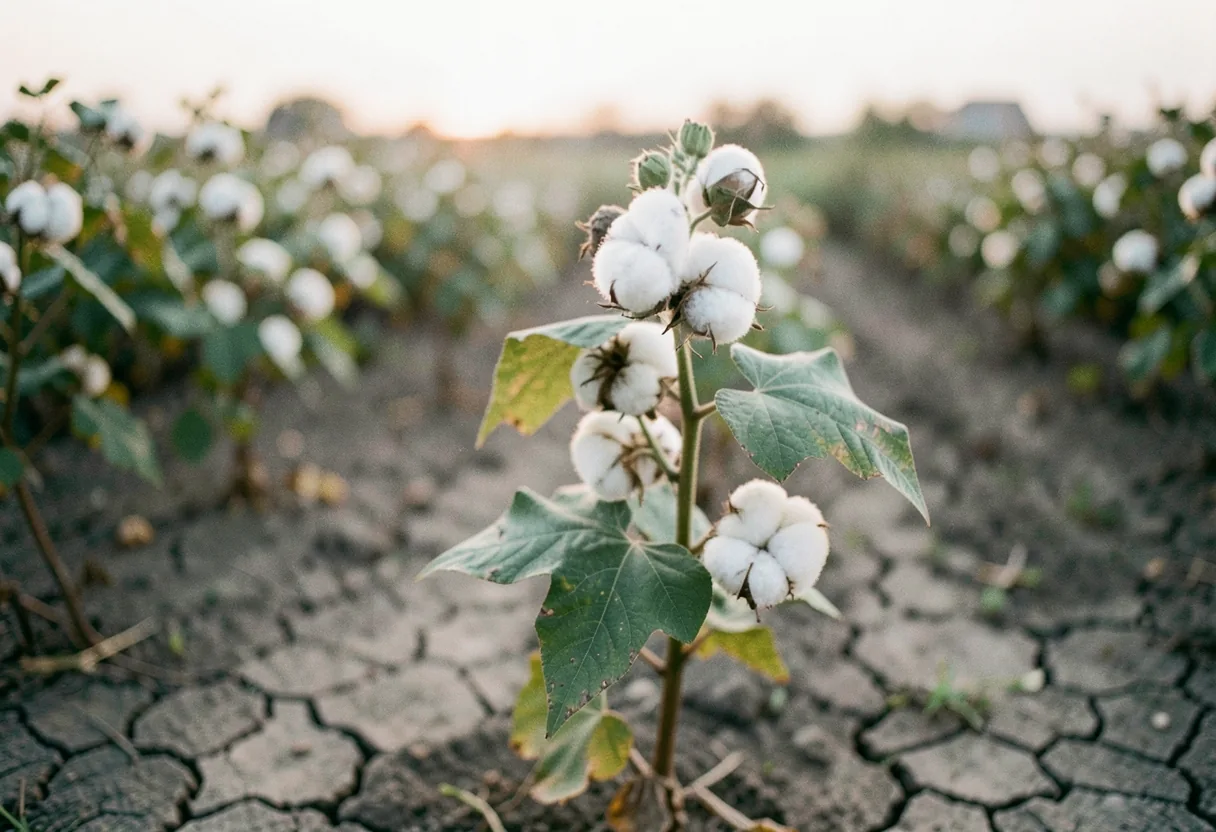
Organic cotton quilting reduces water usage, eliminates toxic chemicals, and supports biodiversity, making it a cornerstone of sustainable fashion.
Conventional cotton farming uses about 2,700 liters of water per pound of cotton, whereas organic cotton uses significantly less. By choosing organic cotton quilting, brands reduce their environmental footprint while appealing to eco-conscious consumers.
According to the Soil Association, organic cotton farming also promotes healthier soils, which can sequester carbon and mitigate climate change. This aligns with broader sustainable apparel sourcing goals, where every material choice should contribute to long-term ecological health.
What does sustainable apparel sourcing mean for Generation Z?
For Generation Z, sustainable apparel sourcing means transparency, ethical labor practices, and environmental responsibility, values that drive their purchasing decisions.
Gen Z consumers prioritize brands that align with their beliefs, and they actively seek out information about where and how their clothes are made. Organic cotton quilting fits this demand by offering a traceable, eco-friendly alternative to fast fashion.
Brands that cater to this generation often highlight their sustainable sourcing practices in marketing, such as Patagonia’s commitment to organic cotton and fair trade certifications. This resonates with Gen Z, who expect brands to take a stand on social and environmental issues.
Sustainable sourcing vs traditional sourcing
Sustainable sourcing focuses on environmental stewardship and ethical practices, while traditional sourcing prioritizes cost and speed, often at the expense of sustainability.
Cotton quilting made from organic fibers exemplifies this difference, it avoids harmful chemicals and reduces water use, whereas traditional cotton farming relies on intensive irrigation and pesticides. The trade-off is higher costs for sustainable materials, but brands increasingly see this as an investment in long-term brand loyalty.
For instance, Eileen Fisher’s commitment to organic cotton quilting and other sustainable fabrics has strengthened its reputation among eco-conscious consumers. The brand’s transparent supply chain and focus on durability align with sustainable apparel sourcing principles.
What a sustainable supply chain looks like
A sustainable supply chain for organic cotton quilting includes ethical farming, fair labor practices, and eco-friendly production processes.
This chain starts with organic cotton farms certified by organizations like GOTS, ensuring no synthetic pesticides or fertilizers are used. The cotton is then processed into fabric using methods that minimize water and energy waste, such as closed-loop dyeing systems.
Brands like People Tree demonstrate what a sustainable supply chain looks like by partnering with fair trade cooperatives and using organic cotton quilting fabrics in their products. Every step is designed to reduce environmental impact and support workers’ rights.
Sustainable sourcing matters, for your brand and consumers
Building consumer trust, reducing environmental harm, and future-proofing brands against regulatory changes make sourcing matter.
Quilting with organic cotton is a prime example, it meets growing consumer demand for eco-friendly products while mitigating risks associated with traditional cotton farming, such as water scarcity and soil degradation. Brands that prioritize sustainable apparel sourcing often see higher customer retention and positive brand perception.
For example, Pact has built its brand around organic cotton quilting and other sustainable materials, appealing to consumers who value ethical and environmental responsibility. This strategy not only differentiates the brand but also aligns with global trends toward sustainability.
The environmental impact of fast fashion
The environmental impact of fast fashion includes water pollution, excessive water use, and soil degradation, all of which organic cotton quilting helps mitigate.
Fast fashion relies on cheap, conventional cotton, which contributes to these issues. In contrast, organic cotton quilting reduces water use by up to 91% and eliminates harmful chemicals, making it a sustainable alternative.
According to the Ellen MacArthur Foundation, the fashion industry contributes to 10% of global carbon emissions. By adopting organic cotton quilting and other sustainable practices, brands can significantly reduce their environmental footprint and support a circular economy.
How to start sourcing organic cotton quilting fabrics
To start sourcing organic cotton quilting fabrics, identify certified suppliers, audit their practices, and integrate the materials into your product line.
First, research suppliers certified by GOTS or similar organizations. Platforms like Sourcing Journal and Textile Exchange provide directories of verified suppliers. Next, conduct audits to ensure compliance with sustainability standards.
Finally, incorporate organic cotton quilting into your designs, emphasizing transparency in marketing to attract eco-conscious consumers. Brands like Kotn have successfully transitioned to organic cotton quilting by focusing on traceability and ethical sourcing.
| Certification | Key Requirements | Benefits |
|---|---|---|
| Global Organic Textile Standard (GOTS) | At least 70% organic fibers; no toxic chemicals; fair labor practices | Ensures high environmental and social standards |
| Organic Content Standard (OCS) | Verifies organic content in final products | Provides traceability for organic materials |
| Fair Trade Certified | Fair wages and safe working conditions for workers | Supports ethical labor practices |
Top brands using organic cotton quilting
Top brands using organic cotton quilting include Patagonia, Eileen Fisher, and People Tree, all of which prioritize sustainability and ethical sourcing.
Patagonia’s commitment to organic cotton quilting and fair trade practices has set a benchmark for the industry. The brand’s transparency reports and sustainable apparel sourcing initiatives have earned it a loyal following among eco-conscious consumers.
Eileen Fisher is notable for its use of organic cotton quilting and other sustainable materials. The brand’s focus on durability and minimalism reflects its dedication to reducing waste and environmental impact.
People Tree, a pioneer in fair trade fashion, incorporates organic cotton quilting into its designs, ensuring ethical labor practices and eco-friendly production. These brands demonstrate how organic cotton quilting can transform sustainable clothing production.
How to market organic cotton quilting to consumers
To market organic cotton quilting to consumers, emphasize its environmental benefits, ethical sourcing, and superior quality compared to conventional cotton.
Highlight certifications like GOTS and Fair Trade to build trust. Use storytelling to connect consumers with the farmers and workers behind the product, such as through behind-the-scenes content or supplier spotlights.
Brands like Kotn effectively market organic cotton quilting by showcasing the positive impact of their sourcing practices. By educating consumers on the value of sustainable apparel sourcing, brands can drive demand for organic cotton quilting and similar eco-friendly materials.
| Marketing Strategy | Implementation | Expected Outcome |
|---|---|---|
| Certification Highlights | Showcase GOTS, Fair Trade, and other certifications on product tags and websites | Builds consumer trust and credibility |
| Storytelling | Share supplier stories and sustainability initiatives on social media | Creates an emotional connection with consumers |
| Educational Content | Publish blogs and infographics on the benefits of organic cotton quilting | Increases consumer awareness and demand |
The future of organic cotton quilting in fashion
The future of organic cotton quilting in fashion is bright, with increasing demand from consumers and brands alike driving innovation and adoption.
As more brands recognize the benefits of sustainable apparel sourcing, organic cotton quilting will become a standard rather than an exception. Advances in farming and processing techniques will further reduce costs and improve accessibility.
In my experience, the shift toward organic cotton quilting is irreversible, once consumers and brands experience the benefits, there’s no going back. The key is continued education and collaboration across the industry to ensure sustainable practices become the norm.
Cotton quilting made from organic materials is not just a trend; it’s a transformative force in sustainable clothing production. By understanding its benefits and integrating it into your sourcing strategy, you can future-proof your brand and contribute to a healthier planet.
Frequently asked questions
What defines organic cotton?
Organic cotton is grown without synthetic pesticides or fertilizers, relying instead on natural methods like crop rotation and composting. This reduces soil degradation and water pollution, making it a cleaner alternative to conventional cotton.
How does organic cotton benefit farmers?
Farmers avoid exposure to harmful chemicals, leading to better health and lower healthcare costs. Organic farming also promotes biodiversity, ensuring long-term soil fertility and sustainable livelihoods.
Is organic cotton more durable than conventional cotton?
Organic cotton fibers are often stronger and more durable because they grow slower, developing thicker walls. This results in clothing that lasts longer, reducing the frequency of replacements and waste.
What environmental impact does organic cotton have?
Organic cotton uses significantly less water than conventional cotton and reduces greenhouse gas emissions. The absence of synthetic chemicals also protects ecosystems and wildlife, contributing to a healthier planet.