
Jason Barrett · on 18 July 2026 · 9 min read · Last reviewed 18 July 2026
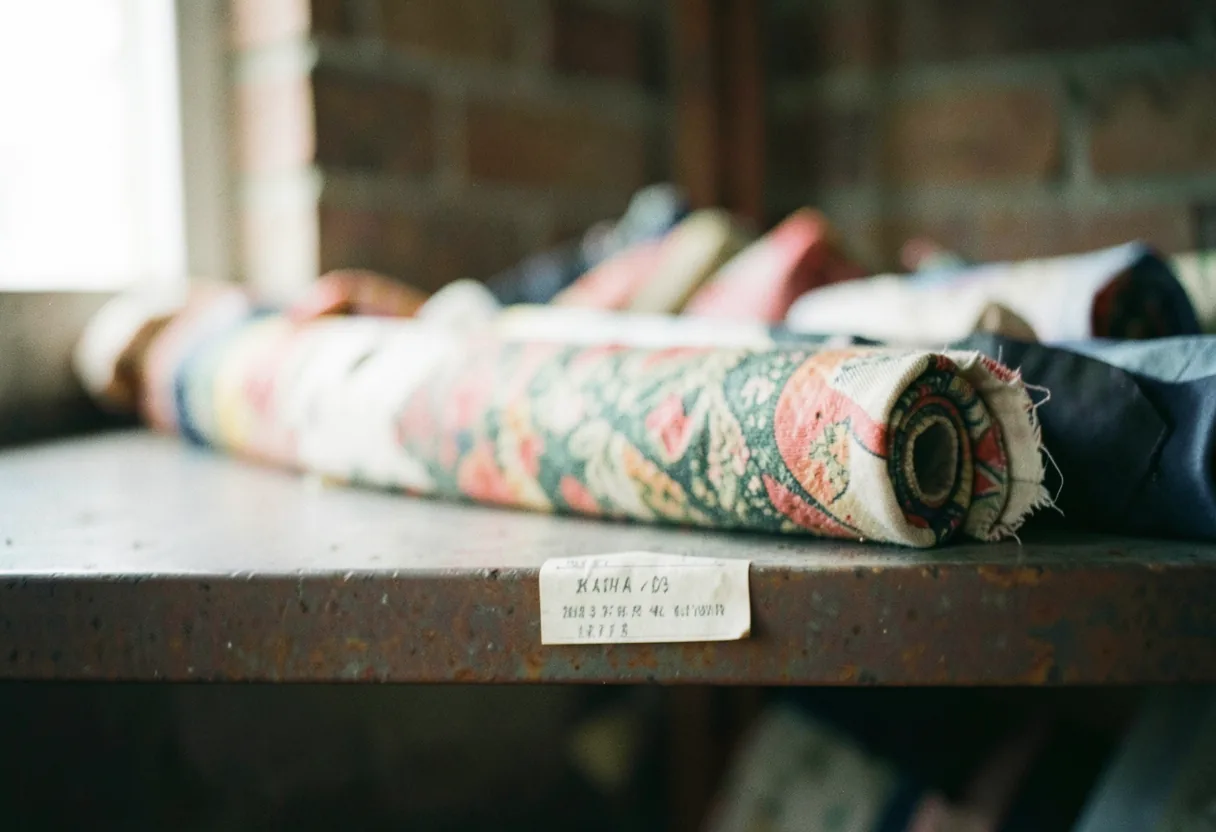
**Deadstock fabrics** are leftover or unused materials from fashion houses and manufacturers, often vintage or discontinued, that are repurposed to create new clothing and reduce textile waste.
In plain terms: Think of deadstock fabrics like the leftover puzzle pieces in a thrift store, unique, already made, and just waiting to be part of a new picture without requiring new resources.
Key facts
- Deadstock fabrics typically come from overstock, sample runs, or discontinued lines, meaning they were never sold or used in their original production cycle.
- These fabrics can include high-quality materials like organic cotton, linen, or silk, often at a fraction of the cost of new materials.
- Using deadstock fabrics can reduce textile waste by up to 80% compared to traditional sourcing methods, according to the Ellen MacArthur Foundation.
- Brands like Reformation and Marine Layer have successfully integrated deadstock fabrics into their sustainable collections.
What is sustainable apparel sourcing?
Sustainable apparel sourcing involves using materials and production methods that minimize environmental impact, prioritize ethical labor practices, and ensure long-term resource viability.
Sustainable apparel sourcing is a holistic approach that considers the entire lifecycle of a garment, from the origin of raw materials to the end of its useful life. This includes selecting eco-friendly fabrics, reducing water and energy use in production, and ensuring fair wages and safe working conditions for workers. According to the Global Fashion Agenda, sustainable sourcing can reduce the fashion industry’s carbon footprint by up to 30%.
For eco-conscious brands, sustainable sourcing is not just about reducing waste but also about creating a transparent and ethical supply chain. This means working with suppliers who adhere to strict environmental and social standards, such as Fair Trade Certified or OEKO-TEX® Standard 100 certified materials. By prioritizing sustainability, brands can appeal to a growing consumer base that values transparency and environmental responsibility.
Sustainable sourcing vs traditional sourcing
Sustainable sourcing prioritizes eco-friendly materials and ethical labor practices, while traditional sourcing often focuses on cost efficiency and speed of production, sometimes at the expense of environmental and social standards.
Traditional sourcing typically involves large-scale production with a focus on minimizing costs and maximizing output. This approach can lead to excessive resource use, pollution, and poor working conditions. In contrast, sustainable sourcing emphasizes the use of recycled or deadstock fabrics, organic materials, and renewable energy sources. For example, brands using deadstock fabrics like Marine Layer can reduce their environmental impact by repurposing existing materials instead of sourcing new ones.
The environmental impact of fast fashion, a byproduct of traditional sourcing, is significant. According to the Ellen MacArthur Foundation, the fashion industry produces about 92 million tons of waste annually. Sustainable sourcing aims to address this issue by promoting circular economy principles, where materials are reused and recycled, reducing the need for new resources.
What a sustainable supply chain looks like
A sustainable supply chain integrates eco-friendly practices at every stage, from raw material sourcing to final product distribution, ensuring minimal environmental impact and ethical labor conditions.
A sustainable supply chain starts with the selection of eco-friendly materials. This can include using organic cotton, recycled polyester, or deadstock fabrics. For instance, Patagonia has been a pioneer in sustainable supply chains, using recycled materials and implementing strict environmental and labor standards across its production processes.
Transparency is another key component of a sustainable supply chain. Brands should provide detailed information about their suppliers, production methods, and environmental impact. This transparency helps consumers make informed decisions and holds brands accountable for their practices. Additionally, sustainable supply chains often incorporate renewable energy sources, water conservation techniques, and waste reduction strategies to minimize their environmental footprint.
The environmental impact of fast fashion
The environmental impact of fast fashion includes excessive water use, pollution, and significant greenhouse gas emissions, all of which contribute to climate change and resource depletion.
Fast fashion is characterized by rapid production cycles and low-cost garments, leading to high levels of waste and pollution. According to the United Nations Environment Programme, the fashion industry is responsible for about 10% of global carbon emissions. The production of synthetic fabrics like polyester also contributes to microplastic pollution, which harms marine life and enters the food chain.
To mitigate these impacts, brands are increasingly turning to sustainable practices, such as using deadstock fabrics and implementing circular economy models. For example, Reformation uses a combination of deadstock and sustainable materials to create its collections, significantly reducing its environmental impact. By adopting these practices, brands can help reduce the fashion industry’s overall environmental footprint and promote a more sustainable future.
How to source deadstock fabrics for your brand
To source deadstock fabrics, start by identifying suppliers who specialize in leftover or vintage materials, and ensure they meet your quality and sustainability standards.
To source deadstock fabrics, begin by researching suppliers who specialize in leftover or vintage materials. Websites like Fashionphile and The Fabric Nest offer a wide range of deadstock fabrics from various fashion houses. When selecting suppliers, prioritize those with a reputation for high-quality materials and ethical practices.
Next, evaluate the quality and suitability of the deadstock fabrics for your brand’s needs. Look for fabrics that align with your design aesthetics and performance requirements. For example, if your brand focuses on activewear, seek out deadstock performance fabrics that offer durability and moisture-wicking properties.
How to Integrate deadstock fabrics into your design process
Integrate deadstock fabrics into your design process by planning collections around available materials, experimenting with mixed media, and prioritizing versatility in your designs.
Start by planning your collections around the deadstock fabrics you have sourced. This may involve adapting your designs to work with the available materials, rather than the other way around. For example, if you have a large quantity of deadstock silk, consider creating a collection that showcases the fabric’s unique properties.
Experiment with mixed media to create unique textures and patterns. Combining deadstock fabrics with other sustainable materials can result in innovative and visually appealing designs. For instance, pairing deadstock wool with organic cotton can create a harmonious blend of textures and colors.
How to promote your brand’s commitment to sustainability
Promote your brand’s commitment to sustainability by highlighting your use of deadstock fabrics, sharing your supply chain transparency, and educating consumers on the environmental benefits of your practices.
Highlight your use of deadstock fabrics in your marketing materials and product descriptions. Explain the environmental benefits of repurposing leftover materials and how it contributes to reducing textile waste. For example, you can share stories about the origins of your deadstock fabrics and the impact of using them in your collections.
Share your supply chain transparency with consumers. Provide detailed information about your suppliers, production methods, and environmental initiatives. This transparency helps build trust and demonstrates your commitment to sustainability. For instance, you can create a dedicated section on your website that outlines your sustainable practices and the impact they have on the environment.
How to measure the success of your sustainable sourcing efforts
Measure the success of your sustainable sourcing efforts by tracking key metrics such as waste reduction, carbon footprint, and consumer engagement, and continuously refining your practices based on data and feedback.
Track key metrics to evaluate the effectiveness of your sustainable sourcing efforts. This can include measuring the amount of textile waste reduced, the carbon footprint of your production processes, and the energy and water savings achieved. For example, you can use tools like the Higg Index to assess your brand’s environmental impact and identify areas for improvement.
Gather consumer feedback to understand the perceived value of your sustainable practices. Conduct surveys, collect reviews, and engage with your audience on social media to gain insights into their preferences and concerns. This feedback can help you refine your sustainable sourcing strategies and better meet consumer expectations.
How to educate consumers about the value of deadstock fabrics
Educate consumers about the value of deadstock fabrics by sharing the story behind each fabric, highlighting their unique qualities, and explaining the environmental benefits of repurposing leftover materials.
Share the story behind each deadstock fabric used in your collections. Explain where the fabric originated, its history, and why it was chosen for your designs. For example, you can create blog posts or social media content that delves into the fascinating backstories of your deadstock fabrics.
Highlight the unique qualities of deadstock fabrics, such as their exclusivity, quality, and craftsmanship. Explain how these fabrics add value to your designs and set your brand apart from fast fashion. For instance, you can create lookbooks or product descriptions that showcase the distinctive features of your deadstock fabrics.
How to collaborate with other sustainable brands
Collaborate with other sustainable brands by partnering on joint collections, sharing resources, and co-hosting educational events to amplify your collective impact.
Partnering with other sustainable brands can help amplify your impact and reach a wider audience. For example, you can collaborate on joint collections that feature deadstock fabrics from both brands, showcasing your shared commitment to sustainability. This can also help you tap into each other’s customer bases and expand your market reach.
Sharing resources with other sustainable brands can help reduce costs and increase efficiency. For instance, you can share suppliers, production facilities, or even marketing campaigns to leverage each other’s strengths. This collaborative approach can help you achieve economies of scale and make your sustainable practices more viable.
Co-hosting educational events with other sustainable brands can help raise awareness and educate consumers about the value of sustainability in fashion. For example, you can organize workshops, webinars, or panel discussions that feature experts from both brands, providing valuable insights and fostering a sense of community among eco-conscious consumers.
| Collaboration Type | Description | Benefits |
|---|---|---|
| Joint Collections | Partner with other brands to create limited-edition collections featuring deadstock fabrics. | Expanded market reach, shared resources, and increased brand visibility. |
| Resource Sharing | Share suppliers, production facilities, or marketing campaigns with other sustainable brands. | Reduced costs, increased efficiency, and economies of scale. |
| Educational Events | Co-host workshops, webinars, or panel discussions with other brands to educate consumers about sustainability. | Raised awareness, community building, and expert insights. |
The role of technology in sustainable sourcing
Technology plays a crucial role in sustainable sourcing by enabling traceability, optimizing production processes, and facilitating the use of eco-friendly materials like deadstock fabrics.
Technology can help brands track the origin and journey of their fabrics, ensuring transparency and accountability. For example, blockchain technology can be used to create a tamper-proof record of a fabric’s supply chain, from raw material sourcing to final production. This transparency helps consumers make informed decisions and ensures that brands adhere to sustainable practices.
Optimizing production processes with technology can help reduce waste and improve efficiency. For instance, using computer-aided design (CAD) software can help designers create patterns that minimize fabric waste. Additionally, automation and robotics can help streamline production processes, reducing the need for manual labor and minimizing human error.
Technology can also facilitate the use of eco-friendly materials like deadstock fabrics. For example, online platforms like The Fabric Nest connect brands with suppliers of deadstock fabrics, making it easier to source sustainable materials. Additionally, digital tools can help brands manage their inventory more effectively, ensuring that deadstock fabrics are used efficiently and reducing the need for excess production.
By incorporating deadstock fabrics into your sustainable apparel sourcing strategy, you can reduce textile waste, minimize environmental impact, and create unique, high-quality garments that resonate with eco-conscious consumers.
Frequently asked questions
What exactly are deadstock fabrics?
Deadstock fabrics are leftovers from fashion houses or textile mills. They’re high-quality materials that brands didn’t use, often because of overproduction or design changes. These fabrics sit unused, waiting for eco-conscious designers to repurpose them, cutting waste and reducing the need for new production.
How do deadstock fabrics contribute to sustainability?
By using deadstock, brands avoid contributing to textile waste, which piles up in landfills. It’s estimated that the fashion industry discards millions of tons of fabric annually. Deadstock fabrics also reduce the demand for new raw materials, lowering the environmental footprint of clothing production.
What challenges do brands face when sourcing deadstock fabrics?
Brands often struggle with limited availability and inconsistency. Deadstock fabrics vary in quantity and style, making it hard to plan collections. Additionally, sourcing can be time-consuming, requiring relationships with suppliers or mills. Despite these hurdles, the environmental benefits often outweigh the logistical challenges.
Can deadstock fabrics match the quality of new materials?
Absolutely. Deadstock fabrics are typically premium materials that didn’t sell or weren’t used. Brands like Marimekko and Reformation have successfully integrated deadstock into their lines, proving that quality remains intact. The key is careful selection and creative design to work with available fabrics.
Related Reading
- The Ultimate Guide to Sustainable Fabrics for Modern Apparel
- Top Textile Shops Online for Sourcing Eco-Friendly Materials
Part of the Sustainable Fabrics & Materials guide hub.