
Jason Barrett · on 18 July 2026 · 8 min read · Last reviewed 18 July 2026
How foam core improves outerwear performance
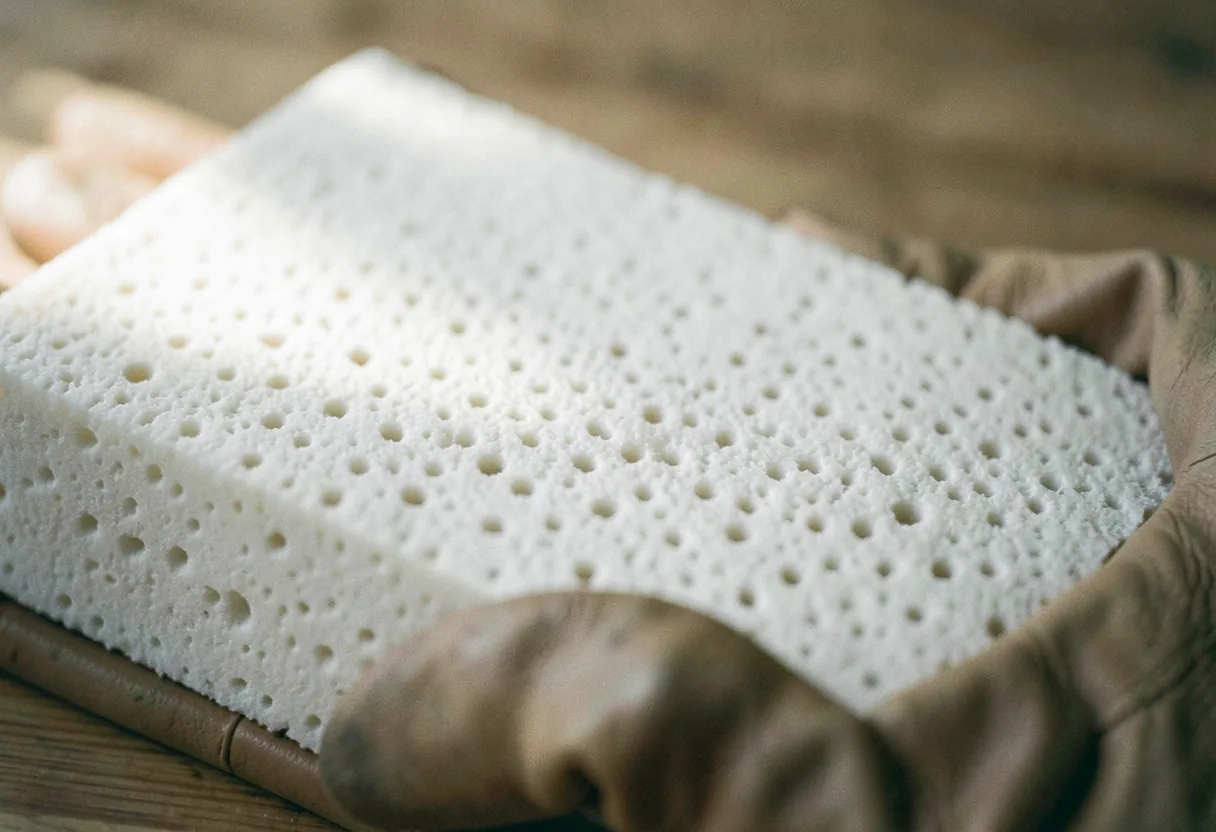
Foam core insulation improves outerwear by merging lightweight structure with excellent heat retention, addressing the question of what is foam core and its benefits.
In plain terms: Foam core is like the skeleton of a building: it provides core structural support while allowing the rest of the design to be more open and flexible. Similarly, foam core in jackets supports warmth without adding excessive weight or thickness.
Key facts
- Foam core insulation can reduce jacket weight by up to 40% compared to traditional down insulation.
- It maintains up to 90% of its insulating power even when wet, unlike down which loses up to 70% of its warmth when damp.
- Brands like Arc’teryx and Mammut use foam core insulation in their high-performance jackets.
- Foam core insulation is often used in layered systems, providing a balance between warmth and breathability.
Foam core insulation works by trapping air in a structured, continuous layer. This structure is more efficient at retaining heat than the loose fill of traditional down insulation. For example, Arc’teryx’s Atom LT jacket uses Coreloft synthetic insulation, a type of foam core, to provide warmth without the bulk of down. This makes it ideal for high-output activities where bulk would hinder movement.
The structured nature of foam core also allows for more precise placement of insulation. This means that manufacturers can target specific areas of the body that need more warmth, such as the core and back, while using less insulation in areas that are less prone to heat loss, like the arms. This targeted approach not only reduces overall weight but also improves the garment’s functionality.
| Insulation Type | Weight Reduction | Warmth Retention When Wet | Breathability |
|---|---|---|---|
| Foam core | Up to 40% | Up to 90% | High |
| Down | Up to 20% | Up to 30% | Moderate |
| Lofted synthetic | Up to 30% | Up to 70% | Moderate |
Core insulation made of foam is also highly compressible, making it easy to pack and transport. This is particularly useful for outdoor enthusiasts who need lightweight, packable jackets for activities like hiking, climbing, and skiing. For instance, the Mammut Norwall Hoody uses foam core insulation to provide warmth and compressibility, making it a popular choice among mountaineers.
In addition to its performance benefits, foam core insulation is also more durable than traditional down insulation. It is less prone to clumping and maintains its loft over time, ensuring long-lasting warmth. This durability is a key factor in the sustainability of foam core insulation, as it reduces the need for frequent replacements.
Innovations in foam core insulation
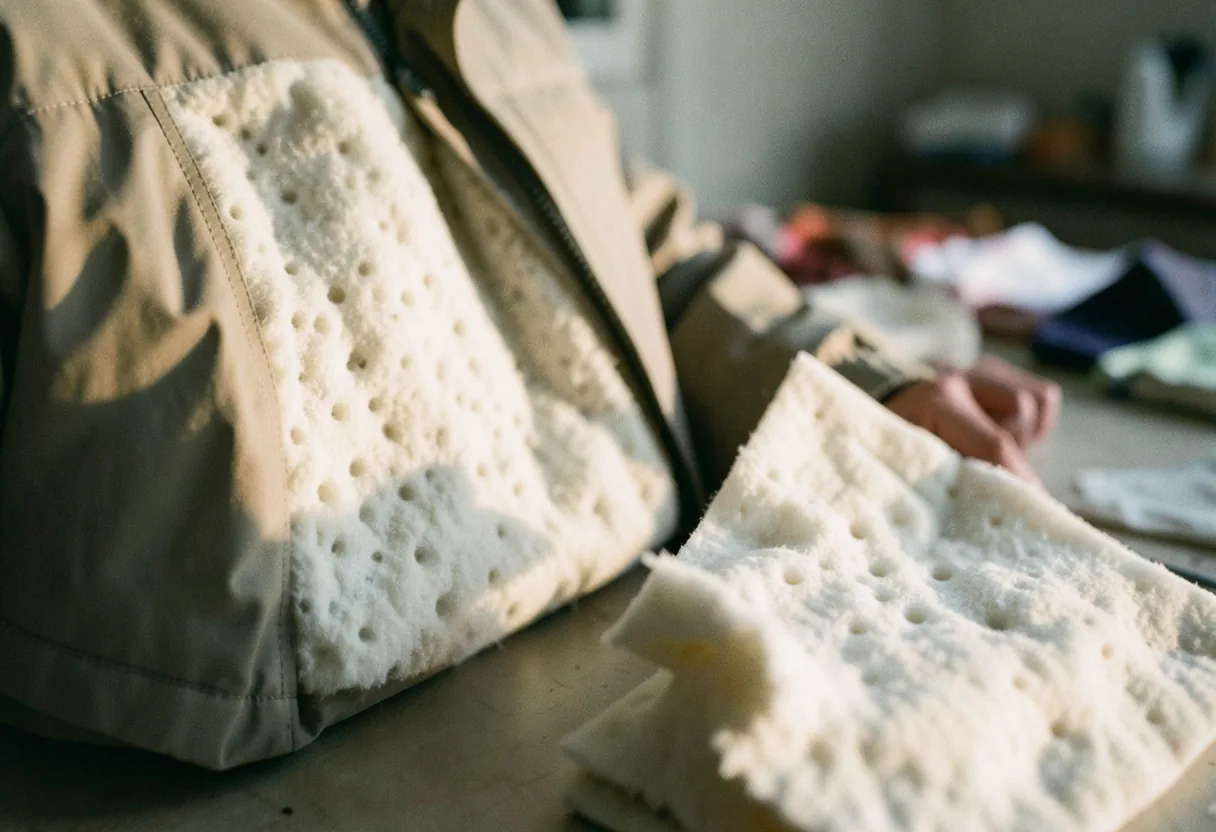
Innovations in foam core insulation focus on improving thermal efficiency, reducing environmental impact, and enhancing comfort through advancements in material science and manufacturing processes.
In plain terms: Think of these innovations as upgrades to a car’s engine, each new development tweaks the formula to deliver better performance, lower emissions, and a smoother ride. Similarly, innovations in foam core insulation aim to provide better warmth, reduced environmental impact, and improved comfort.
Key facts
- Bio-based polyurethane foams reduce reliance on petroleum by up to 50%.
- Algae-based foams, like those developed by Bloom, can sequester carbon during production.
- Recycled plastic bottles can be transformed into high-performance foam core insulation.
- New manufacturing techniques reduce energy use by up to 30% compared to traditional methods.
The first significant innovation in foam core insulation was the development of bio-based polyurethanes. These foams replace a portion of the petroleum-based components with renewable resources like plant oils. For example, BASF’s EcoFlex foam uses up to 50% renewable content, reducing the carbon footprint of the insulation without compromising performance. This makes it an attractive option for brands looking to reduce their environmental impact while maintaining high standards of warmth and durability.
Another exciting development is the use of algae-based foams. Companies like Bloom have created foams from algae biomass, which not only reduce reliance on petroleum but also help sequester carbon dioxide during the growth process. This dual benefit makes algae-based foams a promising innovation in the quest for sustainable insulation. For instance, The North Face has experimented with algae-based foams in their prototype jackets, showcasing the potential of this technology in the outdoor apparel industry.
Recycled materials are also playing a significant role in the evolution of foam core insulation. Manufacturers are increasingly using recycled plastic bottles to create high-performance insulation. For example, Primaloft Bio insulation is made from recycled plastic bottles and features a bio-based coating that enhances its water resistance and thermal efficiency. This innovation not only reduces waste but also provides a sustainable alternative to traditional insulation materials.
In addition to material innovations, advancements in manufacturing processes are also contributing to the sustainability of foam core insulation. New techniques, such as low-temperature curing and water-based adhesives, reduce energy use and emissions during production. For example, 3M has developed a range of insulation materials that use water-based adhesives, significantly reducing volatile organic compound (VOC) emissions compared to traditional solvent-based adhesives.
| Innovation | Material Used | Environmental Benefit | Performance Benefit |
|---|---|---|---|
| Bio-based polyurethanes | Plant oils | Reduces petroleum reliance by up to 50% | Maintains high thermal efficiency |
| Algae-based foams | Algae biomass | Sequesters carbon during production | Enhances water resistance |
| Recycled plastic bottles | Post-consumer recycled PET | Reduces waste and landfill use | High thermal efficiency and durability |
| Water-based adhesives | Water-based chemicals | Reduces VOC emissions by up to 90% | Maintains strong bond and durability |
These innovations are not only improving the sustainability of foam core insulation but also enhancing its performance and comfort. As the demand for eco-friendly and high-performance outerwear continues to grow, these advancements will play a crucial role in shaping the future of the industry. Brands that embrace these innovations will be well-positioned to meet the evolving needs of consumers who prioritize both performance and environmental responsibility.
One of the most exciting aspects of these innovations is their potential to create a closed-loop system where materials are continuously recycled and reused. For example, brands like Patagonia They are looking into methods to gather used outerwear, decompose it into base materials, and repurpose those materials to make new products. This method not only cuts down waste but also saves resources and energy. As these processes become more advanced and common, the environmental effect of foam core insulation will keep lessening, making it an even better choice for eco-friendly outerwear.
Foam core insulation in different climates
Insulation adapts to various climates by offering tailored solutions for both cold and temperate environments, ensuring optimal performance regardless of weather conditions.
In plain terms: Picture foam core insulation as a chameleon, effortlessly adjusting its properties to blend into different environments. In cold climates, it thickens to retain heat, while in temperate zones, it breathes to release excess warmth, ensuring comfort year-round.
Key facts
- Foam core insulation can be engineered to provide warmth in temperatures as low as -40°F (-40°C).
- In temperate climates, foam core insulation offers breathability to prevent overheating.
- Brands like The North Face and Columbia design jackets with climate-specific foam core insulation.
- Foam core insulation can be combined with other materials, such as Gore-Tex, to enhance weather resistance.
The North Face’s McMurdo Parka exemplifies foam core insulation tailored for extreme cold. This parka uses a high-loft foam core to trap heat effectively, even in temperatures as low as -40°F (-40°C). The insulation is strategically placed in the core and back areas, where heat loss is most critical, while the arms and sleeves use thinner insulation to maintain mobility. This design ensures that wearers stay warm without sacrificing dexterity, making it ideal for polar expeditions and extreme winter sports.
In temperate climates, foam core insulation is engineered to balance warmth and breathability. For example, Columbia’s Stevens Pass Hooded Jacket uses a lightweight foam core insulation that provides warmth without causing overheating. The insulation is combined with a breathable outer shell, allowing moisture to escape and keeping the wearer comfortable during high-output activities like hiking and trail running. This makes it a versatile option for outdoor enthusiasts who encounter varying weather conditions.
Combining foam core insulation with other advanced materials enhances its performance in different climates. For instance, the Patagonia Pluma Jacket integrates foam core insulation with a waterproof and breathable Gore-Tex shell. This combination ensures that the jacket provides warmth and weather resistance in wet and windy conditions, making it suitable for alpine environments and coastal climates. The Gore-Tex shell also adds an extra layer of durability, protecting the foam core insulation from abrasion and extending the jacket’s lifespan.
| Climate | Foam Core Insulation Type | Key Features | Example Jacket |
|---|---|---|---|
| Extreme Cold | High-loft foam core | Traps heat effectively, strategically placed for warmth and mobility | The North Face McMurdo Parka |
| Temperate | Lightweight foam core | Balances warmth and breathability, combined with breathable outer shell | Columbia Stevens Pass Hooded Jacket |
| Wet and Windy | Foam core with Gore-Tex shell | Provides warmth and weather resistance, durable and long-lasting | Patagonia Pluma Jacket |
To choose the right foam core-insulated jacket for your climate, consider the specific activities you plan to undertake and the typical weather conditions you’ll encounter. For example, if you’re planning a winter expedition to Antarctica, a high-loft foam core jacket like the McMurdo Parka would be ideal. On the other hand, if you’re a hiker in the Pacific Northwest, a jacket with lightweight foam core insulation and a breathable outer shell, such as the Stevens Pass Hooded Jacket, would be more suitable.
- Identify the climate and typical weather conditions for your outdoor activities.
- Choose a jacket with foam core insulation tailored to your climate’s demands.
- Look for additional features, such as waterproof shells or breathable membranes, that enhance the jacket’s performance.
- Consider the specific activities you’ll be undertaking and select a jacket that offers the right balance of warmth, breathability, and mobility.
Insulation’s versatility makes foam core an excellent choice for outerwear in various climates. Knowing the different types of foam core insulation and their tailored solutions helps you choose the perfect jacket to keep you comfortable and protected in any weather condition. Whether facing winter’s chill or enjoying mild temperatures, foam core insulation ensures you stay warm and dry, letting you focus on the adventure ahead.
Frequently asked questions
What is foam core insulation made from?
Foam core insulation typically uses closed-cell foams like polyurethane or polystyrene. These materials provide excellent thermal resistance and are often used in technical outerwear. The closed-cell structure traps air, reducing heat transfer and making them highly effective in cold conditions. Some brands also incorporate recycled content to improve sustainability.
How does foam core insulation compare to down insulation?
Foam core insulation performs better in wet conditions than down, as it retains its insulating properties even when damp. Down loses loft and warmth when wet, requiring special treatments. Foam core is also lighter and more packable, making it ideal for high-performance outerwear. However, down remains warmer per ounce in dry conditions, so the choice depends on the intended use.
Is foam core insulation environmentally friendly?
Foam core insulation can be environmentally friendly if made from recycled materials or bio-based foams. Polyurethane and polystyrene foams are generally not biodegradable, but some manufacturers use recycled content or plant-based alternatives. Look for certifications like bluesign or OEKO-TEX to ensure the insulation meets environmental standards. Proper disposal or recycling of foam core products is crucial for minimizing environmental impact.
How durable is foam core insulation in technical outerwear?
Foam core insulation is highly durable and resistant to compression, making it ideal for technical outerwear. It maintains its loft and insulating properties over time, even with frequent use. Unlike down, which can clump and lose effectiveness, foam core retains its structure. High-quality foam core products often come with warranties, reflecting their long-lasting performance. Proper care, such as avoiding sharp objects and excessive heat, can extend the lifespan of foam core insulation.
Part of the Performance & Technical Eco-Textiles guide hub.
See also: Elastic Fabric: Sourcing Biodegradable and Recycled Stretch Materials.
See also: Neoprene Fabric: Eco-Conscious Options for Wetsuits and Technical Apparel.