
Jason Barrett · on 18 July 2026 · 5 min read · Last reviewed 18 July 2026
Fabric eco friendly refers to textiles designed and produced with minimal environmental impact, emphasizing closed-loop systems where materials are recycled or repurposed to reduce waste and conserve resources.
In plain terms: Think of fabric eco friendly as a circular fashion system where old clothes are not discarded but broken down and reborn as new fabrics, much like how a caterpillar transforms into a butterfly.
Key facts
- According to the Environmental Protection Agency, the fashion industry generates about 17 million tons of textile waste annually in the U.S.
- Recycled polyester reduces water usage by up to 90% compared to virgin polyester.
- The global market for sustainable textiles is projected to reach $15.1 billion by 2025.
- Closed-loop systems can reduce textile waste by up to 80%.
What is Sustainable Sourcing in Fashion?
Sustainable sourcing in fashion involves obtaining materials and producing garments in ways that minimize environmental harm and promote social responsibility throughout the supply chain.
The first time I really looked at sustainable sourcing, I noticed that brands like Patagonia and Eileen Fisher prioritize organic cotton and recycled materials, setting a benchmark for the industry. These brands often publish detailed reports on their sourcing practices, showcasing transparency and accountability.
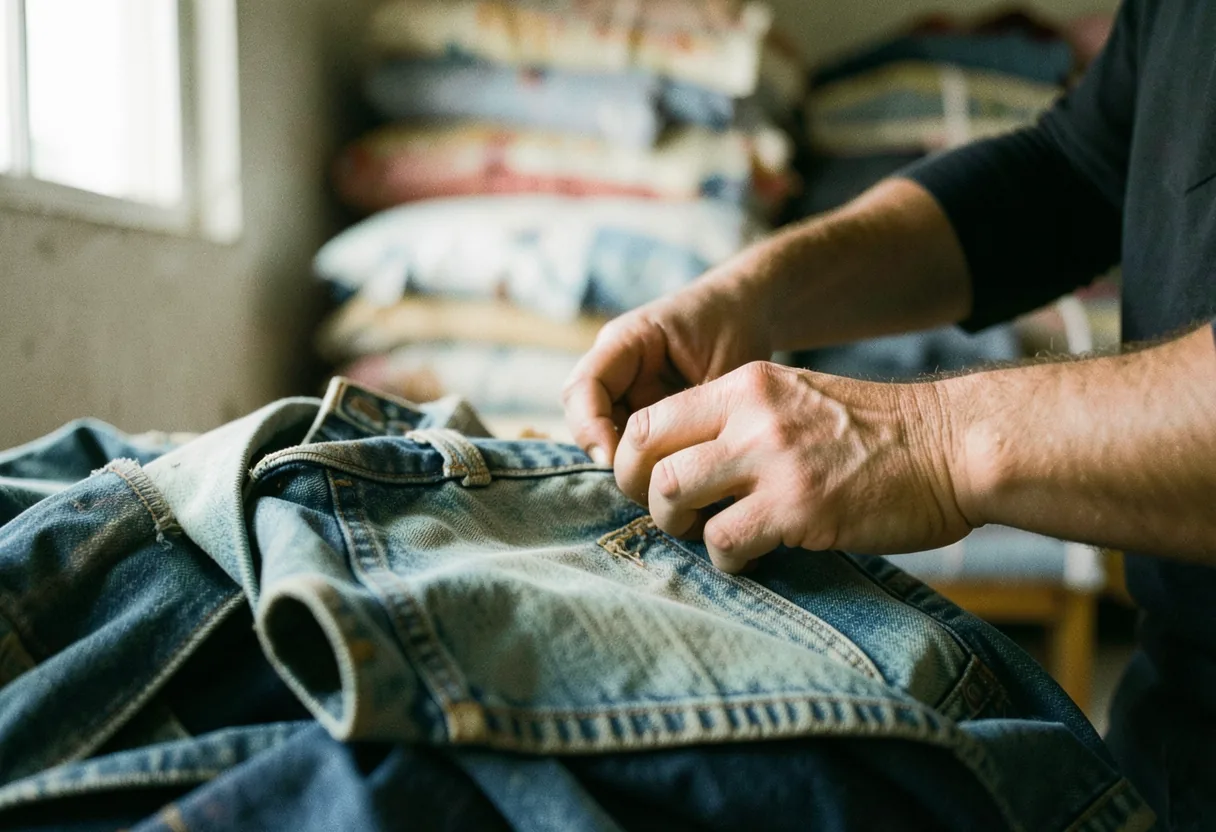
Sustainable Sourcing vs Traditional Sourcing
Sustainable sourcing focuses on eco-friendly materials, ethical labor practices, and waste reduction, while traditional sourcing often prioritizes cost and speed, leading to higher environmental and social costs.
Traditional sourcing methods can lead to significant environmental degradation, including water pollution and deforestation. In contrast, sustainable sourcing aims to mitigate these impacts by using eco-friendly dyes and reducing water consumption. For example, the use of ramie fabric can cut water use by up to 80% compared to conventional cotton.
| Aspect | Sustainable Sourcing | Traditional Sourcing |
|---|---|---|
| Materials | Organic, recycled, and low-impact materials | Virgin materials, synthetic fibers |
| Water Usage | Reduced water consumption | High water usage |
| Labor Practices | Ethical and fair labor conditions | Often exploitative labor practices |
| Waste Reduction | Closed-loop systems, zero-waste patterns | High waste generation |
What a Sustainable Supply Chain Looks Like
A sustainable supply chain integrates eco-friendly practices at every stage, from sourcing raw materials to manufacturing, distribution, and end-of-life management.
For instance, brands like Cotton Fleece Manufacturing use water-recycling systems and renewable energy to minimize their environmental footprint. These practices not only reduce waste but also lower operational costs in the long run.
The Environmental Impact of Fast Fashion
The environmental impact of fast fashion includes excessive water use, pollution, and significant carbon emissions, making it one of the most polluting industries globally.
Fast fashion brands often produce low-quality garments that end up in landfills within a few months. According to the Ellen MacArthur Foundation, the fashion industry produces about 10% of global carbon emissions. In contrast, sustainable apparel sourcing aims to reduce these impacts through circular fashion practices.
| Impact | Fast Fashion | Sustainable Fashion |
|---|---|---|
| Water Usage | High (e.g., 2,700 liters per cotton shirt) | Low (e.g., recycled polyester uses 90% less water) |
| Carbon Emissions | High (10% of global emissions) | Low (reduced through renewable energy and efficient production) |
| Waste Generation | High (17 million tons annually in the U.S.) | Low (closed-loop systems reduce waste by 80%) |
| Pollution | High (chemical dyes and microplastics) | Low (eco-friendly dyes and biodegradable materials) |
Sustainable Sourcing Matters, for Your Brand and Consumers
Enhancing brand reputation, meeting consumer demand for eco-friendly products, and contributing to long-term environmental and social benefits are why sourcing matters.
Consumers, especially Generation Z, are increasingly prioritizing sustainability when making purchasing decisions. According to a 2022 report by McKinsey, 67% of consumers consider sustainability an important factor in their buying choices. Brands that adopt sustainable practices not only attract these consumers but also build long-term loyalty.
How to Implement Fabric Eco Friendly Practices
To implement fabric eco friendly practices, start by sourcing recycled or organic materials, adopting closed-loop production systems, and partnering with suppliers committed to sustainability.
Brands can also invest in innovative technologies like zero-waste knitting and minimal-cutting techniques for woven fabrics. Additionally, educating consumers about the benefits of circular fashion can drive demand for sustainable products.
- Source recycled or organic materials.
- Adopt closed-loop production systems.
- Partner with sustainable suppliers.
- Invest in innovative technologies.
- Educate consumers about circular fashion.
In my experience, brands that embrace these practices not only reduce their environmental impact but also create a competitive advantage in the market.
Explore more about sustainable sourcing techniques, such as duck cloth canvas and its role in waste reduction.
Innovations in Fabric Eco Friendly Production
Innovations in fabric eco friendly production include advancements in recycling technologies, biodegradable materials, and waterless dyeing processes.
For example, the Advanced Textiles Association has developed a method for recycling polyester blends that traditionally were difficult to process. This innovation allows for the recovery of high-quality fibers from mixed-material textiles, significantly reducing textile waste.
The Role of Certifications in Sustainable Textiles
Certifications in sustainable textiles, such as the Global Organic Textile Standard (GOTS) and the OEKO-TEX Standard 100, ensure that fabrics meet specific environmental and social criteria.
GOTS certification, for instance, guarantees that textiles are made from organic fibers and adhere to strict environmental and labor standards throughout the supply chain. Brands like Patagonia often display these certifications prominently to build consumer trust and demonstrate their commitment to sustainability.
| Certification | Criteria | Example Brands |
|---|---|---|
| Global Organic Textile Standard (GOTS) | Organic fibers, environmental and labor standards | Patagonia, Eileen Fisher |
| OEKO-TEX Standard 100 | Absence of harmful substances | Adidas, H&M |
| Bluesign | Resource efficiency, consumer safety, air and water emission | Nike, The North Face |
| Cradle to Cradle Certified | Material health, material reutilization, renewable energy, water stewardship, social fairness | IKEA, Levi’s |
Certifications provide a clear benchmark for consumers to identify truly eco-friendly fabrics, fostering a more transparent and responsible fashion industry.
Frequently asked questions
How does circular fashion aim to reduce textile waste?
Circular fashion focuses on designing clothes for longevity, reusability, and recyclability. Brands like Patagonia use recycled materials and offer repair services to extend garment life. When items are discarded, they’re broken down and reused, minimizing landfill contributions. This closed-loop system contrasts with fast fashion’s linear take-make-waste model.
What role do consumers play in circular fashion?
Consumers drive demand for circular practices by choosing brands committed to sustainability. Participating in take-back programs, such as H&M’s garment recycling initiative, ensures old clothes are repurposed. Buying secondhand or renting through platforms like Rent the Runway reduces new production. Every purchase decision influences industry-wide shifts toward circularity.
Which materials are most compatible with circular fashion?
Natural fibers like organic cotton and linen biodegrade easily, while synthetic blends pose challenges due to microfiber pollution. Innovations in recycled polyester and bio-based fabrics, like Piñatex made from pineapple leaves, bridge sustainability gaps. The goal is to use materials that decompose safely or can be endlessly recycled without quality loss.
What are the economic benefits of adopting circular fashion?
Circular models cut production costs by reusing materials and reducing waste disposal fees. Resale markets, such as The RealReal, generate revenue for brands and consumers. Governments and investors increasingly fund circular initiatives, recognizing long-term savings. This shift not only benefits the environment but also creates new business opportunities and jobs in recycling and upcycling sectors.