
Jason Barrett · on 18 July 2026 · 9 min read · Last reviewed 18 July 2026
Finding reliable wholesale textile suppliers for sustainable brands is like choosing a trustworthy partner for a marathon, you need someone who can keep pace with your ethical standards and quality demands every step of the way.
Key facts
- The global sustainable textile market is projected to reach $15.3 billion by 2025, according to Statista.
- Between 60 and 80 percent of a garment’s environmental impact is determined at the design and raw materials stage, making supplier choices critical.
- Most sustainable brands prefer suppliers within a 500-mile radius to reduce carbon footprint from transportation.
- Certifications like GOTS (Global Organic Textile Standard) and OEKO-TEX are key indicators of reliable sustainable suppliers.
What you need
- A clear understanding of your brand’s sustainability goals and fabric requirements.
- Access to a computer and the internet for research and communication.
- A spreadsheet or notebook to organize supplier information.
- Sample fabrics to compare quality and sustainability.
- A budget for initial orders and potential shipping costs.
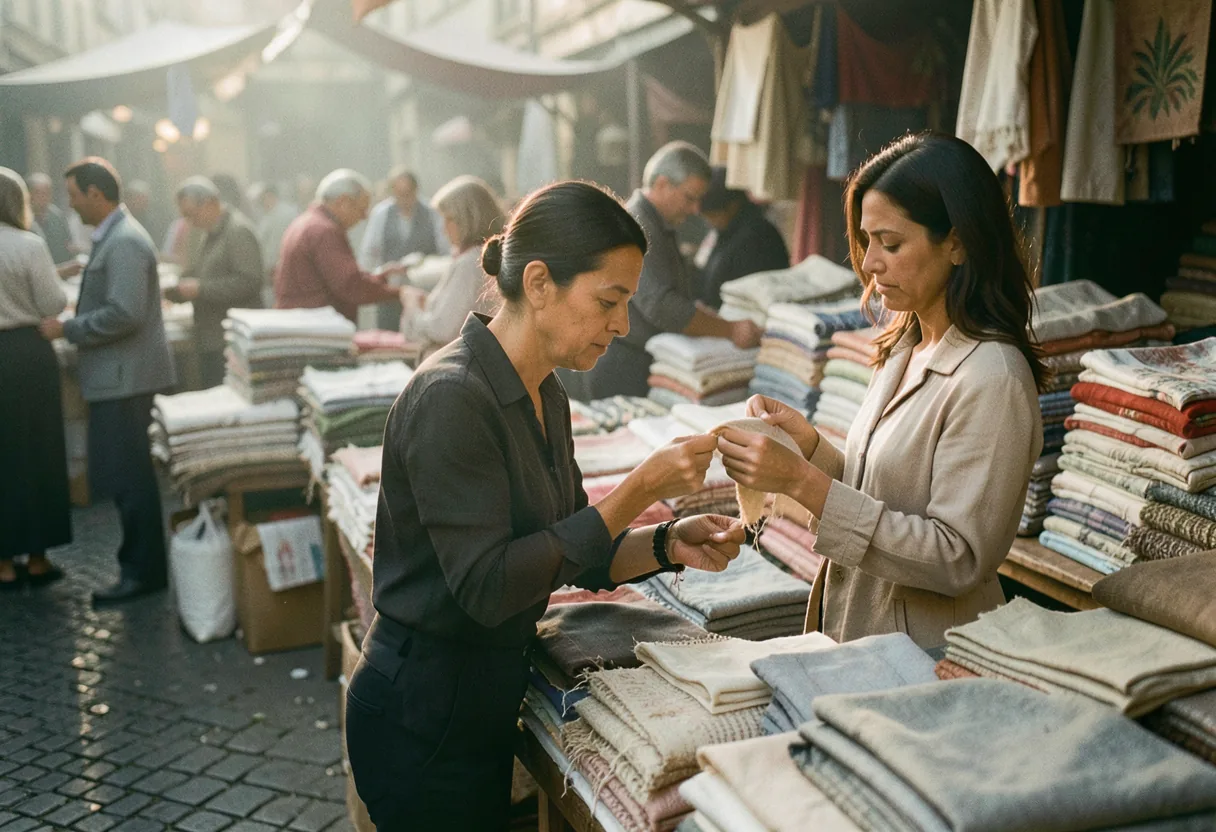
How to find reliable wholesale textile suppliers for sustainable brands
- Define your sustainability criteria. Start by listing what sustainability means for your brand, organic, recycled, fair trade, or low-impact dyes.
- Research online directories and platforms. Websites like Sustainable Textile Directory and EcoFab list suppliers with sustainable practices.
- Check certifications. Look for suppliers with certifications such as GOTS, OEKO-TEX, or Bluesign to ensure they meet environmental and social standards.
- Read reviews and seek recommendations. Platforms like Alibaba and Global Textile Network often have reviews from other buyers, and industry forums can provide insights.
- Contact potential suppliers. Reach out to suppliers with specific questions about their materials, production processes, and minimum order quantities (MOQs).
- Request samples. Always order samples to evaluate the quality, texture, and color of the fabrics before making a bulk purchase.
- Compare prices and terms. Create a comparison table to evaluate suppliers based on price, MOQs, lead times, and shipping costs.
- Visit suppliers if possible. If you’re sourcing locally, arrange a visit to see their facilities and production processes firsthand.
- Negotiate terms. Discuss payment terms, return policies, and any discounts for bulk orders. Ensure you have a clear contract outlining all terms.
Common mistakes to avoid
Choosing suppliers solely based on price without considering sustainability credentials can lead to compromises in quality and ethics. Always verify certifications and request samples to avoid disappointments. Ignoring shipping costs and lead times can also disrupt your production schedule and budget.
Wholesale textile suppliers near me
To find local suppliers, start with a simple online search for “wholesale textile suppliers” followed by your city or region. Platforms like Yelp and Google Maps can help you locate suppliers nearby. Attending local trade shows and textile fairs is another effective way to connect with suppliers in person.
Key facts
- Local suppliers often offer faster turnaround times and lower shipping costs.
- Building a relationship with local suppliers can lead to better negotiation terms and customized solutions.
- Visit suppliers in person to inspect their facilities and ensure they meet your sustainability standards.
Wholesale textile suppliers USA
The United States has a variety of wholesale textile suppliers catering to sustainable brands. Some well-known suppliers include Marshall Dry Goods and EcoFab, which offer a wide range of sustainable fabrics.
Key facts
- The USA is home to numerous suppliers specializing in organic cotton, recycled polyester, and other sustainable materials.
- Many American suppliers adhere to stringent environmental and labor standards, making them reliable partners for sustainable brands.
- Domestic sourcing can reduce lead times and improve communication, ensuring smoother production processes.
Wholesale textile suppliers online
Online platforms like Alibaba, Global Textile Network, and EcoFab offer a vast selection of wholesale textile suppliers. These platforms allow you to compare prices, read reviews, and request samples from multiple suppliers.
| Platform | Key Features | Best For |
|---|---|---|
| Alibaba | Wide range of suppliers, verified sellers, trade assurance | Brands looking for a variety of options and competitive pricing |
| Global Textile Network | Focus on sustainable and ethical suppliers, detailed supplier profiles | Brands prioritizing sustainability and ethical practices |
| EcoFab | Specializes in eco-friendly fabrics, easy-to-navigate website | Small to medium-sized brands focusing on sustainable materials |
Wholesale fabric for small business
Small businesses often have different needs compared to larger brands, such as lower MOQs and more flexible payment terms. Suppliers like Marshall Dry Goods and EcoFab cater specifically to small businesses, offering a range of sustainable fabrics with minimal order requirements.
Key facts
- Small businesses benefit from suppliers offering low MOQs and flexible payment terms.
- Online platforms often provide better deals and a wider selection for small businesses.
- Building a strong relationship with suppliers can lead to better negotiation terms and customized solutions.
Cheap wholesale textile suppliers
Finding affordable wholesale textile suppliers requires balancing cost with quality and sustainability. Platforms like Alibaba and Global Textile Network offer a range of suppliers with competitive pricing. Always request samples and verify certifications to ensure you’re getting good value without compromising on ethics.
Key facts
- Cheaper suppliers may have higher MOQs or longer lead times.
- Always compare prices and terms from multiple suppliers to get the best deal.
- Prioritize suppliers with certifications like GOTS and OEKO-TEX to ensure quality and sustainability.
Best wholesale textile suppliers
The best wholesale textile suppliers for sustainable brands are those that offer high-quality materials, adhere to ethical practices, and provide excellent customer service. Suppliers like Marshall Dry Goods and EcoFab are well-regarded for their commitment to sustainability and quality.
| Supplier | Specialty | Key Features |
|---|---|---|
| Marshall Dry Goods | Organic and eco-friendly fabrics | Wide range of sustainable materials, low MOQs, excellent customer service |
| EcoFab | Recycled and low-impact fabrics | Easy-to-navigate website, detailed product descriptions, competitive pricing |
| Global Textile Network | Ethical and sustainable textiles | Verified suppliers, trade assurance, focus on ethical practices |
Wholesale textile suppliers California
California is home to numerous wholesale textile suppliers specializing in sustainable materials. Suppliers like Marshall Dry Goods and EcoFab offer a wide range of eco-friendly fabrics, making it easier for brands to source locally and reduce their carbon footprint.
Key facts
- California suppliers often adhere to strict environmental and labor standards.
- Local sourcing can reduce lead times and shipping costs.
- Attending local trade shows and textile fairs can help you connect with suppliers in person.
Wholesale fabric by the bolt
Buying wholesale fabric by the bolt is a common practice for brands needing larger quantities of fabric. Suppliers like Marshall Dry Goods and EcoFab offer a variety of fabrics by the bolt, allowing brands to stock up on materials for their production needs.
Key facts
- Buying by the bolt often results in lower per-yard costs.
- Ensure you have adequate storage space for large fabric bolts.
- Compare prices and terms from multiple suppliers to get the best deal.
Sustainable fabric certifications
Certifications play a crucial role in identifying reliable wholesale textile suppliers for sustainable brands. Certifications such as GOTS (Global Organic Textile Standard), OEKO-TEX, and Bluesign ensure that the fabrics meet specific environmental and social standards.
| Certification | Key Standards | Benefits |
|---|---|---|
| GOTS | Organic farming, fair labor practices, environmental management | Ensures organic status and ethical production |
| OEKO-TEX | Safe chemical use, skin-friendly fabrics | Certifies textiles as safe for human use |
| Bluesign | Resource efficiency, air and water emission standards | Focuses on sustainable textile production processes |
When I first examined fabric certifications, I was amazed by their thoroughness. Knowing these certifications allows you to choose wisely and guarantees your suppliers match your brand’s sustainability aims.
Negotiating with wholesale textile suppliers
Negotiating with wholesale textile suppliers is a critical step in ensuring you get the best terms for your sustainable brand. Start by how to read your budget and requirements, then communicate clearly with suppliers about your needs and expectations.
- Research market prices. Know the average prices for the fabrics you need to negotiate effectively.
- Discuss MOQs. Negotiate minimum order quantities that align with your production needs and budget.
- Request samples. Always order samples to evaluate quality before committing to a large order.
- Compare terms. Create a comparison table to evaluate suppliers based on price, MOQs, lead times, and shipping costs.
- Negotiate payment terms. Discuss payment schedules, discounts for bulk orders, and return policies.
- Build relationships. Establishing a good relationship with suppliers can lead to better negotiation terms and customized solutions.
- Finalize contracts. Ensure you have a clear contract outlining all terms, including payment schedules, delivery dates, and quality standards.
Sustainable textile trade shows
Attending sustainable textile trade shows is an excellent way to connect with suppliers, discover new materials, and stay updated on industry trends. Events like the Sustainable Brands Conference and Premier Vision offer opportunities to meet suppliers in person and see their products firsthand.
| Trade Show | Location | Key Features |
|---|---|---|
| Sustainable Brands Conference | Various locations | Focus on sustainable brands and materials, networking opportunities |
| Premier Vision | Paris, France | Global textile and fashion trade show, showcases innovative materials |
| Textile Exchange Sustainability Conference | Various locations | Focus on sustainable textile production, educational sessions |
Building long-term relationships with suppliers
Building long-term relationships with wholesale textile suppliers is essential for sustainable brands. Consistent communication, fair negotiations, and mutual respect can lead to better terms, customized solutions, and reliable supply chains.
- Communicate regularly. Keep suppliers informed about your production needs and any changes in your brand’s goals.
- Be transparent. Share your brand’s values and expectations with suppliers to ensure alignment.
- Pay on time. Timely payments build trust and can lead to better negotiation terms in the future.
- Provide feedback. Offer constructive feedback to help suppliers improve their products and services.
- Visit suppliers. Regular visits to suppliers’ facilities can strengthen relationships and ensure they meet your standards.
Wholesale textile suppliers for specific materials
Different sustainable brands have unique material requirements. Whether you need organic cotton, recycled polyester, or hemp, there are suppliers specializing in specific materials. For organic cotton, suppliers like Marshall Dry Goods are well-known for their high-quality organic cotton fabrics. For recycled polyester, EcoFab offers a wide range of options. Hemp fabrics can be sourced from suppliers like Global Textile Network, which specializes in sustainable and ethical textiles.
| Material | Supplier | Key Features |
|---|---|---|
| Organic Cotton | Marshall Dry Goods | High-quality organic cotton, low MOQs, excellent customer service |
| Recycled Polyester | EcoFab | Wide range of recycled polyester fabrics, competitive pricing, easy-to-navigate website |
| Hemp | Global Textile Network | Specializes in hemp fabrics, verified suppliers, focus on ethical practices |
Wholesale textile suppliers for custom fabrics
Some sustainable brands require custom fabrics to meet specific design and functionality needs. Suppliers like Marshall Dry Goods and EcoFab offer custom fabric options, allowing brands to create unique textiles that align with their brand identity and sustainability goals. When sourcing custom fabrics, clearly communicate your design specifications, material requirements, and production timelines to ensure the supplier can meet your needs.
Key facts
- Custom fabrics often have higher MOQs and longer lead times.
- Clearly communicate your design specifications and material requirements to the supplier.
- Request samples of custom fabrics to evaluate quality before placing a bulk order.
To successfully source reliable wholesale textile suppliers for sustainable brands, prioritize suppliers with clear sustainability credentials, request samples, and build strong relationships. This approach ensures you get high-quality materials that align with your brand’s ethical standards and production needs.
Frequently asked questions
What criteria should I prioritize when evaluating wholesale textile suppliers?
Prioritize suppliers with certifications like GOTS or OEKO-TEX, ensuring their materials meet sustainability standards. Verify their production capacity and lead times to match your brand's needs. Check for transparency in their supply chain, including labor practices and environmental impact. Reliable suppliers will provide clear documentation and samples for quality assessment.
How can I verify the sustainability claims of a textile supplier?
Request certifications and audit reports from third-party organizations. Ask for details on their sourcing, such as organic cotton farms or recycled polyester providers. Visit their facilities if possible, or conduct virtual tours. Transparent suppliers will openly discuss their environmental and social practices, including water usage, chemical management, and fair labor conditions.
What are the red flags to watch for when selecting a wholesale textile supplier?
Beware of suppliers reluctant to share certifications or production details. Unrealistically low prices may indicate poor quality or unethical practices. Lack of clear communication or delayed responses are warning signs. Suppliers with inconsistent product quality or unreliable shipping schedules can disrupt your supply chain. Always compare multiple suppliers to identify inconsistencies.
How do I negotiate fair pricing and terms with a wholesale textile supplier?
Research market prices for similar materials to set a benchmark. Order larger quantities to secure discounts, but ensure you can sell the inventory. Discuss payment terms, such as letters of credit or flexible installments. Build a long-term relationship by committing to regular orders. Transparent negotiation fosters trust and ensures both parties benefit from the partnership.
See also: Working Directly with a Wholesale Fabric Manufacturer for Better Margins.