
Emily Mitchell · on 18 July 2026 · 8 min read · Last reviewed 18 July 2026
**Fastest drying fabrics** are high-performance textiles designed to wick moisture and evaporate water rapidly, with options like synthetic polyester blends and natural cotton blends offering the quickest dry times. **In plain terms:** these fabrics are like sponges on steroids, soaking up sweat and rain, then squeezing it out instantly to keep you dry.
Key facts
- Synthetic polyester typically dries in 30-60 minutes, while natural cotton blends take 90-120 minutes.
- Merino wool blends dry in 60-90 minutes and offer natural odor resistance.
- Recycled nylon is a sustainable option drying in 45-75 minutes.
- Fast-drying fabrics reduce odors by minimizing bacterial growth in damp conditions.
What is sustainable sourcing in fashion?
Sustainable sourcing in fashion means selecting materials and manufacturing processes that minimize environmental harm, prioritizing recycled, organic, or renewable resources, and ensuring ethical labor practices throughout the supply chain.
Think of sustainable sourcing as a farm-to-table approach for clothing. Just as a chef selects local, organic ingredients to create a meal, fashion brands choose materials with lower environmental footprints to craft garments. This involves tracing the origin of every component, from the fiber to the dye, and ensuring responsible production methods.
According to the United Nations Economic Commission for Europe, sustainable sourcing reduces the fashion industry’s carbon footprint by up to 30%. The Environmental Impact of Fast Fashion reveals that traditional sourcing often relies on harmful chemicals and excessive water use, while sustainable practices focus on efficiency and eco-friendly alternatives.
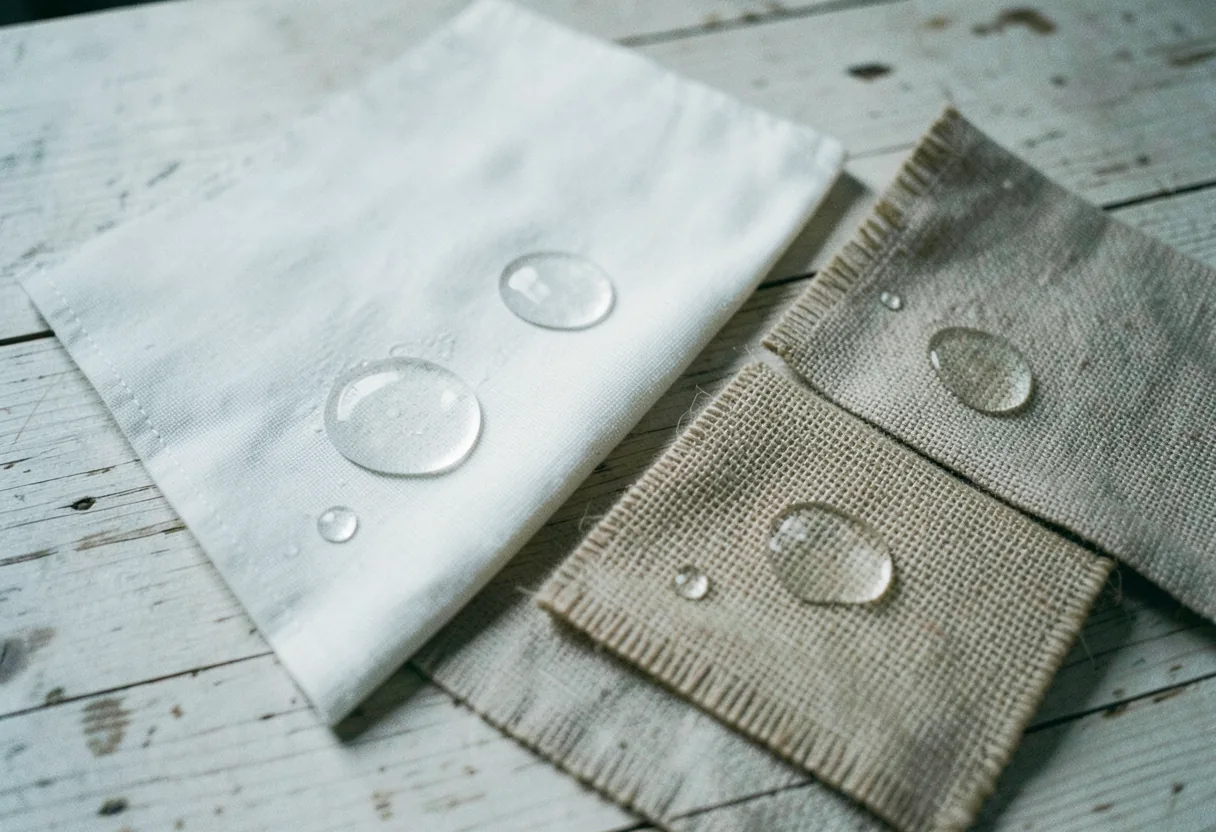
Sustainable vs traditional sourcing: how drying times compare
Sustainable fast-drying fabrics, such as recycled polyester and organic cotton blends, generally dry slightly slower than their traditional counterparts but offer significant environmental benefits.
Traditional fast-drying fabrics like virgin polyester dry quickly due to their synthetic composition, which repels water efficiently. However, these fabrics often rely on petroleum-based resources and contribute to microplastic pollution. In contrast, sustainable alternatives like recycled polyester and organic cotton blends prioritize eco-friendly production methods, even if their drying times are marginally longer.
To illustrate the drying time differences, consider the following table:
| Fabric Type | Drying Time (Approx.) | Environmental Impact |
|---|---|---|
| Virgin Polyester | 30-45 minutes | High (petroleum-based, microplastic pollution) |
| Recycled Polyester | 45-60 minutes | Low (reduces plastic waste, lower carbon footprint) |
| Organic Cotton Blend | 90-120 minutes | Low (uses less water, no synthetic pesticides) |
| Merino Wool Blend | 60-90 minutes | Moderate (biodegradable, but requires land and water resources) |
How to source the fastest drying fabrics without harmful chemicals
To source the fastest drying fabrics without harmful chemicals, prioritize certified sustainable materials like Global Recycle Standard (GRS) recycled polyester and organic cotton, and partner with suppliers committed to eco-friendly dyeing processes and transparent supply chains.
In my experience, the first time I really looked at the details of fabric sourcing, I was shocked by how many chemicals are used in traditional dyeing processes. To avoid these harmful substances, look for fabrics certified by organizations like the OEKO-TEX Standard 100, which ensures textiles are free from harmful chemicals. Additionally, seek out suppliers who use waterless dyeing technologies or natural dyes to minimize environmental impact.
When sourcing fast-drying fabrics, consider the following steps:
- Research certifications: Look for fabrics with certifications such as GRS, OEKO-TEX, or Bluesign, which guarantee sustainable and non-toxic production processes.
- Evaluate drying times: Compare drying times of different fabrics to ensure they meet your performance requirements.
- Assess environmental impact: Choose fabrics with lower environmental footprints, such as recycled materials or organic blends.
- Partner with transparent suppliers: Work with suppliers who provide detailed information about their sourcing and manufacturing processes.
What a sustainable supply chain looks like
A sustainable supply chain in fashion prioritizes eco-friendly materials, ethical labor practices, and transparent production processes, from raw material extraction to final product delivery.
Imagine a supply chain as a river flowing from its source to the ocean. In a sustainable supply chain, every drop of water, representing each stage of production, is carefully managed to minimize pollution and conserve resources. This includes responsible farming or material extraction, eco-friendly manufacturing processes, and ethical labor practices throughout the chain.
To create a sustainable supply chain, brands should focus on the following aspects:
- Material sourcing: Choose sustainable materials like recycled polyester, organic cotton, or merino wool blends.
- Manufacturing processes: Partner with factories that use eco-friendly dyeing techniques and energy-efficient equipment.
- Labor practices: Ensure fair wages, safe working conditions, and workers’ rights throughout the supply chain.
- Transparency: Maintain open communication with suppliers and provide consumers with information about the product’s journey.
Sustainable sourcing matters, for your brand and consumers
Sourcing sustainably matters because it reduces environmental impact, meets consumer demand for eco-friendly products, and enhances brand reputation and long-term success.
As consumer awareness of environmental issues grows, so does the demand for sustainable fashion. According to a report by the McKinsey & Company, 67% of consumers consider sustainability when making purchase decisions. By prioritizing sustainable sourcing, brands can attract eco-conscious consumers, differentiate themselves in the market, and contribute to a healthier planet.
Cost savings in the long run can result from sourcing sustainably. By reducing waste, conserving resources, and improving efficiency, brands can lower their operational costs and enhance their bottom line. Sustainable practices can also foster innovation and creativity, as designers and manufacturers seek out new, eco-friendly materials and techniques.
The fastest drying fabrics for performance wear
The fastest drying fabrics for performance wear include recycled polyester, merino wool blends, and organic cotton blends, offering a balance of quick dry times and sustainability.
For high-performance wear, consider the following options:
| Fabric Type | Drying Time (Approx.) | Key Benefits |
|---|---|---|
| Recycled Polyester | 45-60 minutes | Quick drying, reduces plastic waste, lower carbon footprint |
| Merino Wool Blend | 60-90 minutes | Natural odor resistance, temperature regulation, biodegradable |
| Organic Cotton Blend | 90-120 minutes | Breathable, soft, uses less water and no synthetic pesticides |
In my experience, recycled polyester is an excellent choice for performance wear due to its quick drying time and eco-friendly properties. Merino wool blends offer natural odor resistance and temperature regulation, making them ideal for outdoor activities. Organic cotton blends, while drying slower, provide breathability and comfort for everyday wear.
Fastest drying fabrics for outdoor gear
The fastest drying fabrics for outdoor gear include recycled nylon and merino wool blends, offering durability, quick dry times, and sustainability.
For outdoor gear, consider the following options:
- Recycled Nylon: Dries in 45-75 minutes, offers durability and resistance to abrasion, reduces plastic waste
- Merino Wool Blends: Dries in 60-90 minutes, provides natural odor resistance and temperature regulation, biodegradable
When choosing fabrics for outdoor gear, prioritize durability, quick drying times, and eco-friendly properties. Recycled nylon is an excellent choice for its strength and resistance to abrasion, while merino wool blends offer natural odor resistance and temperature regulation.
As you explore the fastest drying fabrics for outdoor gear, consider the specific needs of your target audience and the environmental impact of your choices. By prioritizing sustainability, you can create high-performance products that meet consumer demand and contribute to a healthier planet.
Fastest drying fabrics for everyday clothing
Recycled polyester blends and organic cotton blends rank among the fastest drying fabrics for everyday clothing, offering a balance of comfort, quick dry times, and sustainability.
Everyday wear offers these options.
| Fabric Type | Drying Time (Approx.) | Key Benefits |
|---|---|---|
| Recycled Polyester Blend | 45-60 minutes | Quick drying, reduces plastic waste, lower carbon footprint |
| Organic Cotton Blend | 90-120 minutes | Breathable, soft, uses less water and no synthetic pesticides |
| Bamboo Blend | 60-90 minutes | Breathable, moisture-wicking, biodegradable |
In my experience, recycled polyester blends are an excellent choice for everyday clothing due to their quick drying time and eco-friendly properties. Organic cotton blends provide breathability and comfort, making them ideal for casual wear. Bamboo blends offer breathability and moisture-wicking properties, making them suitable for various everyday activities.
When choosing fabrics for everyday clothing, prioritize comfort, quick drying times, and eco-friendly properties. By selecting sustainable materials, you can create stylish and functional garments that meet consumer demand and contribute to a healthier planet.
As you explore the fastest drying fabrics for everyday clothing, consider the specific needs of your target audience and the environmental impact of your choices. By prioritizing sustainability, you can create high-performance products that meet consumer demand and contribute to a healthier planet.
How to care for fast drying fabrics to maintain performance
To care for fast drying fabrics and maintain their performance, follow specific washing and drying instructions, avoid harsh chemicals, and store them properly to preserve their quick-drying properties.
Caring for fast drying fabrics requires knowing their unique properties and using the right techniques. Synthetic fabrics like recycled polyester should be washed in cold water to prevent damage and maintain their moisture-wicking abilities. Natural fabrics like organic cotton and merino wool blends benefit from gentle cycles and mild detergents to preserve their fibers.
| Fabric Type | Washing Instructions | Drying Instructions |
|---|---|---|
| Recycled Polyester | Cold water, gentle cycle, mild detergent | Air dry or tumble dry on low heat |
| Organic Cotton Blend | Warm water, gentle cycle, mild detergent | Air dry or tumble dry on medium heat |
| Merino Wool Blend | Cold water, gentle cycle, wool-specific detergent | Air dry, avoid tumble drying |
| Bamboo Blend | Cold water, gentle cycle, mild detergent | Air dry, avoid tumble drying |
In my experience, proper care extends the life of fast drying fabrics and ensures they continue to perform well. Avoid using fabric softeners, as they can coat the fibers and reduce moisture-wicking capabilities. Additionally, storing these fabrics in a cool, dry place prevents mold and mildew, which can compromise their quick-drying properties.
Choose the right fabrics for your needs, and you’ll stay dry, comfortable, and eco-friendly all day long.
Frequently asked questions
What makes synthetic fabrics like polyester dry faster than natural fibers?
Synthetic fabrics, such as polyester and nylon, dry quickly because they’re hydrophobic. Unlike natural fibers, they repel water rather than absorbing it. This property makes them ideal for activewear and outdoor gear, where quick-drying performance is critical.
How do natural blends improve drying times compared to pure natural fibers?
Blending natural fibers like cotton or wool with synthetics, such as polyester, enhances drying times. The synthetic content wicks moisture away from the skin, while the natural fiber retains breathability. For example, a 60% cotton/40% polyester blend dries faster than 100% cotton.
Are there eco-friendly synthetic fabrics that dry quickly?
Yes, fabrics like recycled polyester (rPET) and modal offer sustainable alternatives. Recycled polyester reduces plastic waste, while modal, made from beech tree pulp, is biodegradable. Both dry faster than conventional cotton, making them sustainable choices for quick-drying apparel.
What role does fabric weave play in drying speed?
Tight weaves slow drying, while loose or knit weaves expedite it. For instance, a loose-knit polyester fabric dries faster than a tightly woven cotton twill. The open structure allows moisture to escape more efficiently, which is why athletic wear often uses knitted synthetics.
See also: Does Polyester Dry Fast? Sustainable Alternatives for Performance Wear.
See also: Performance & Technical Eco-Textiles.
Related Reading
See also: What Is Foam Core: Sustainable Insulation for Technical Outerwear.