
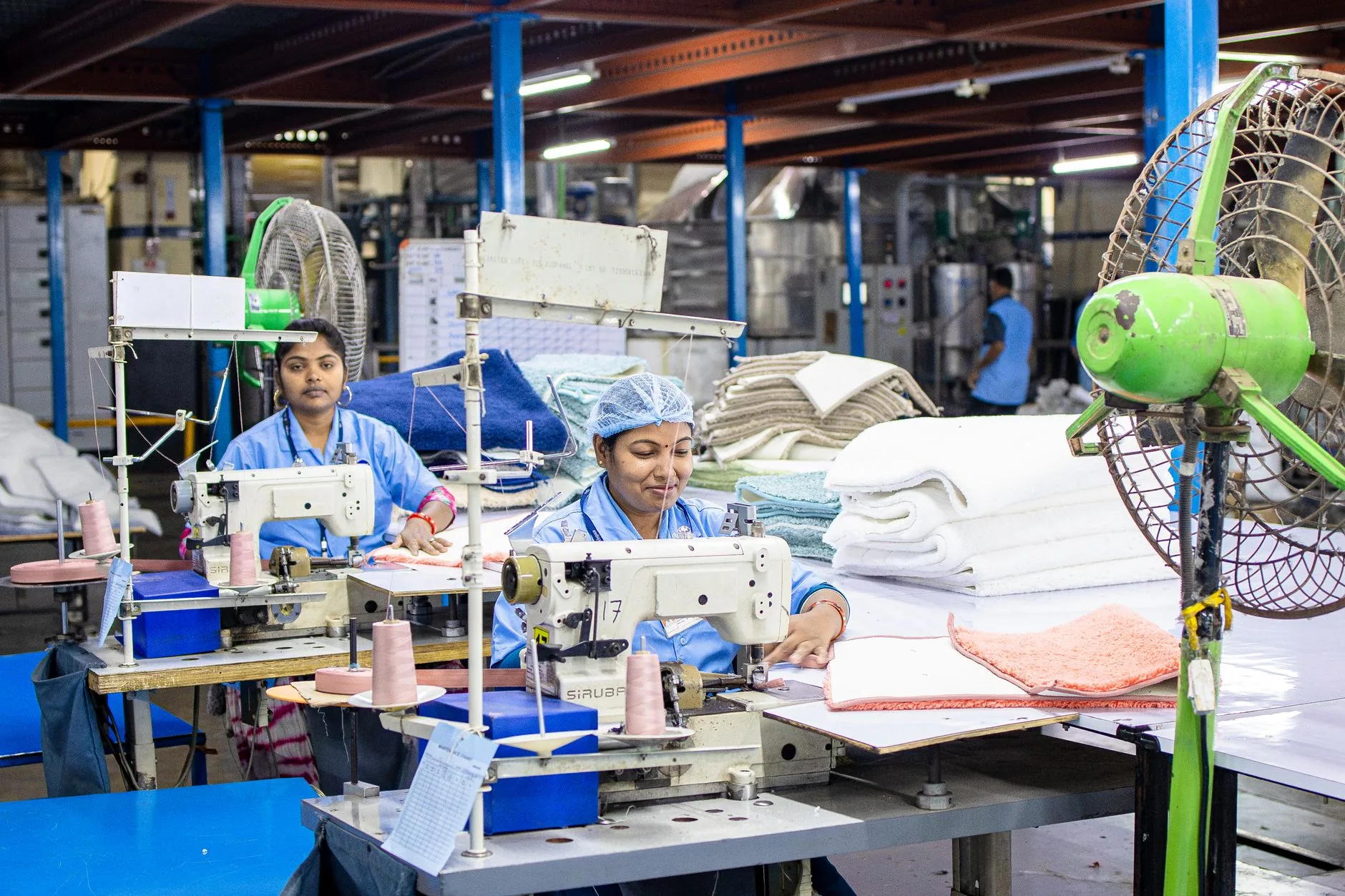
Jason Barrett · on 18 July 2026 · 6 min read · Last reviewed 18 July 2026
Wool fabric is a natural, renewable, and biodegradable textile made from the fleece of sheep, goats, or other animals, offering durability and thermal regulation for sustainable apparel.
In plain terms: Think of wool like nature’s own thermostat, it keeps you warm when it’s cold and cools you when it’s hot, much like how a well-insulated home maintains comfortable temperatures year-round.
Key facts
- Wool fibers are naturally crimped, which traps air and provides insulation.
- According to the International Wool Secretariat, wool can absorb up to 30% of its weight in moisture without feeling wet.
- Wool is inherently flame-resistant, making it a safer choice for apparel and home textiles.
- The global wool market was valued at approximately $25 billion in 2022.
What is Sustainable Sourcing in Fashion?
Sustainable sourcing in fashion involves selecting materials and production methods that minimize environmental impact, promote social responsibility, and ensure economic viability.
Sustainable sourcing goes beyond merely choosing eco-friendly materials; it encompasses the entire lifecycle of a product, from raw material extraction to end-of-life disposal. For wool fabric, this means prioritizing practices that support animal welfare, reduce water and chemical use, and promote regenerative agriculture. Brands committed to sustainable sourcing often work with suppliers who adhere to strict environmental and ethical standards, such as the Responsible Wool Standard.
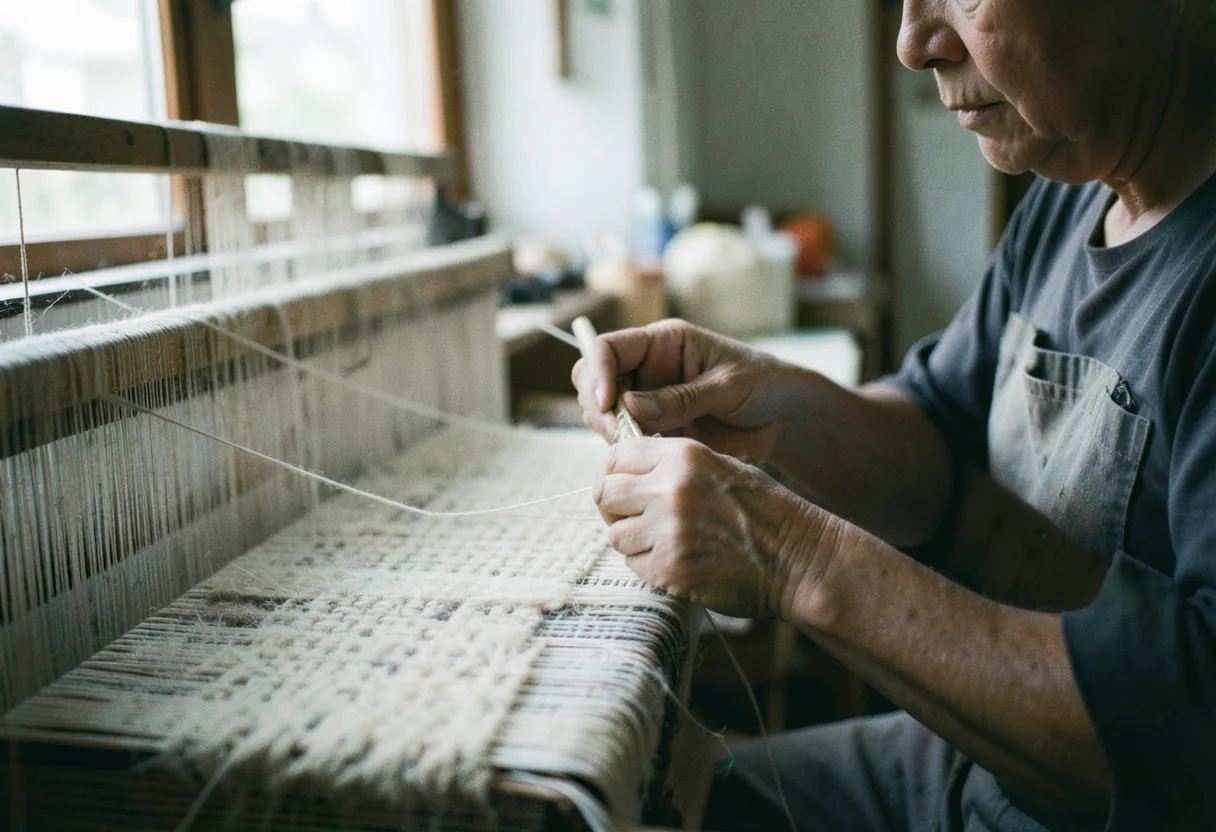
Sustainable Sourcing vs Traditional Sourcing
Sustainable sourcing prioritizes environmental stewardship and ethical practices, while traditional sourcing often focuses on cost efficiency and speed of production.
Traditional sourcing methods in the fashion industry have historically prioritized low-cost production and rapid turnaround times, often at the expense of environmental and social considerations. In contrast, sustainable sourcing emphasizes long-term benefits, such as reducing carbon footprints, conserving resources, and supporting fair labor practices. For example, traditional wool sourcing might involve intensive chemical treatments and large-scale industrial farming, whereas sustainable sourcing focuses on organic farming, reduced chemical use, and humane animal treatment. According to the Textile Exchange, sustainable wool production can reduce water use by up to 50% compared to conventional methods.
What a Sustainable Supply Chain Looks Like
A sustainable supply chain integrates eco-friendly practices at every stage, from raw material sourcing to final product delivery.
To create a sustainable supply chain for wool fabric, brands must collaborate with suppliers who share their commitment to sustainability. This includes sourcing wool from farms that practice regenerative agriculture, use minimal chemicals, and ensure animal welfare. Additionally, sustainable supply chains prioritize energy-efficient manufacturing processes, reduce waste through recycling and upcycling, and use eco-friendly packaging materials. For instance, brands like Patagonia have set benchmarks in sustainable supply chains by using recycled materials and ensuring transparency in their sourcing practices.
Sustainable Sourcing Matters, for Your Brand and Consumers
Enhances brand reputation, meets consumer demand for ethical products, and contributes to long-term environmental and social benefits, does sourcing that is sustainable.
Consumers now pay more attention to the environmental and ethical aspects of their purchases. Brands can stand out, appeal to eco-conscious shoppers, and foster loyalty by adopting sustainable sourcing. For instance, brands that sustainably source wool can showcase their dedication to animal welfare and environmental protection, which appeals to contemporary consumers. A report states that McKinsey & Company, 67% of consumers consider sustainability an important factor in their purchasing decisions.
How to Source Wool Fabric Sustainably
To source wool fabric sustainably, prioritize suppliers who follow ethical and eco-friendly practices, such as the Responsible Wool Standard.
To do this, start by researching and vetting suppliers who adhere to recognized sustainability certifications, such as the Responsible Wool Standard or Organic Content Standard. Ensure that the wool is sourced from farms that practice regenerative agriculture and avoid harmful chemicals. Additionally, opt for suppliers that use energy-efficient manufacturing processes and minimize waste. For example, the Global Organic Textile Standard (GOTS) provides guidelines for sustainable textile production, ensuring that wool fabric meets stringent environmental and social criteria.
The Environmental Impact of Fast Fashion
The environmental impact of fast fashion includes excessive water use, chemical pollution, and significant carbon emissions, making sustainable sourcing crucial.
Fast fashion’s reliance on cheap, mass-produced textiles contributes to environmental degradation, including deforestation, water pollution, and greenhouse gas emissions. In contrast, sustainable sourcing of wool fabric mitigates these impacts by promoting regenerative agriculture, reducing chemical use, and supporting long-term ecological health. For instance, the fashion industry is responsible for about 10% of global carbon emissions, according to the United Nations Environment Programme. By choosing sustainable wool sourcing, brands can significantly reduce their carbon footprint and contribute to a healthier planet.
How to Choose Sustainable Wool Fabric
To choose sustainable wool fabric, look for certifications such as GOTS, RWS, or OEKO-TEX, and prioritize brands committed to eco-friendly practices.
When selecting sustainable wool fabric, consider the following criteria:- Certifications: Ensure the wool fabric carries recognized sustainability certifications, such as GOTS, RWS, or OEKO-TEX.
- Supplier Transparency: Choose suppliers that provide detailed information about their sourcing and manufacturing processes.
- Animal Welfare: Prioritize wool sourced from farms that adhere to humane animal treatment standards.
- Environmental Impact: Opt for wool fabric produced using minimal chemicals and energy-efficient processes.
Why Sustainable Apparel Sourcing Guide PDFs Are Useful
Apparel sourcing guide PDFs offer comprehensive resources for brands aiming to adopt eco-friendly practices in their supply chains.
These guides offer detailed information on sustainable materials, certifications, and best practices for sourcing. They often include case studies, checklists, and step-by-step instructions to help brands transition to sustainable sourcing. For example, the Textile Exchange provides a sustainable apparel sourcing guide PDF that covers various aspects of sustainable textile production, including wool fabric.
Sustainable Apparel Sourcing Guide 2022
The 2022 sustainable apparel sourcing guide highlighted emerging trends, such as the increased demand for traceable and eco-friendly materials like wool.
The 2022 guide highlighted a major move toward sustainable sourcing, with brands focusing more on transparency and eco-friendly practices. It stressed selecting materials such as wool, which provide durability, biodegradability, and a smaller environmental footprint than synthetic options. For example, sustainable wool production can cut water use by up to 50% compared to traditional methods.
What “Sustainable Apparel Sourcing” Means to You and Your Generation, Generation Z?
For Generation Z, sustainable apparel sourcing means holding brands accountable for their environmental and social impact, driving demand for ethical and eco-friendly products.
Generation Z consumers are particularly vocal about sustainability and ethical practices in the fashion industry. They prioritize brands that demonstrate a commitment to reducing environmental impact and promoting social responsibility. For example, a survey by Nielsen found that 73% of Gen Z consumers are willing to pay more for sustainable products. This shift in consumer behavior is pushing brands to adopt sustainable sourcing practices, including the use of wool fabric that meets stringent environmental and ethical standards.
Key wool fabric types
| Wool Type | Properties | Common Uses |
|---|---|---|
| Merino Wool | Soft, fine, and lightweight | Base layers, activewear, and underwear |
| Cashmere | Luxuriously soft and warm | Sweaters, scarves, and luxury apparel |
| Alpaca Wool | Durable, hypoallergenic, and warm | Coats, blankets, and outerwear |
| Lambswool | Soft and elastic | Suits, blankets, and knitwear |
Sustainable wool certifications
| Certification | Criteria | Benefits |
|---|---|---|
| Responsible Wool Standard (RWS) | Animal welfare, land management, and traceability | Ensures ethical treatment of sheep and sustainable land use |
| Global Organic Textile Standard (GOTS) | Organic farming, chemical use, and labor practices | Certifies organic wool and ensures fair labor conditions |
| OEKO-TEX Standard 100 | Absence of harmful substances | Guarantees wool fabric is free from toxic chemicals |
Frequently asked questions
Why is wool considered a sustainable fabric?
Wool is sustainable due to its natural origin and biodegradability. Sheep produce wool annually, requiring minimal processing compared to synthetic fabrics. The wool production cycle emits fewer greenhouse gases, and wool fibers decompose naturally, reducing landfill waste. Plus, its durability means fewer replacements over time.
How does wool compare to synthetic fabrics in durability?
Wool outperforms many synthetics in longevity. Its natural elasticity resists tearing, and its moisture-wicking properties prevent wear from sweat. Unlike synthetics, wool doesn’t pill easily and maintains shape over years. For example, a well-cared-for wool sweater can last decades, whereas acrylic may degrade within a few years.
What makes wool a better choice for cold weather?
Wool’s unique structure traps air, creating insulation. Unlike synthetics, it regulates temperature by absorbing moisture without feeling damp. Merino wool, for instance, wicks sweat while retaining warmth, making it ideal for layering. This natural thermoregulation keeps wearers comfortable in varying cold conditions.
Can wool be used in hot weather clothing?
Yes. Lightweight wool like merino wicks moisture and dries quickly, keeping skin cool. It blocks UV rays better than synthetics, reducing sun damage. Many athletes prefer wool base layers in summer due to its breathability and odor resistance. Thin wool garments are cooler than thick cotton in high heat.
Related Reading
- The Ultimate Guide to Sustainable Fabrics for Modern Apparel
- Fastest Drying Fabrics: Comparing Sustainable Synthetics and Natural Blends
- Why Tencel Fabric Is the Top Choice for Sustainable Apparel
Part of the Sustainable Fabrics & Materials guide hub.