
Emily Mitchell · on 18 July 2026 · 5 min read · Last reviewed 18 July 2026
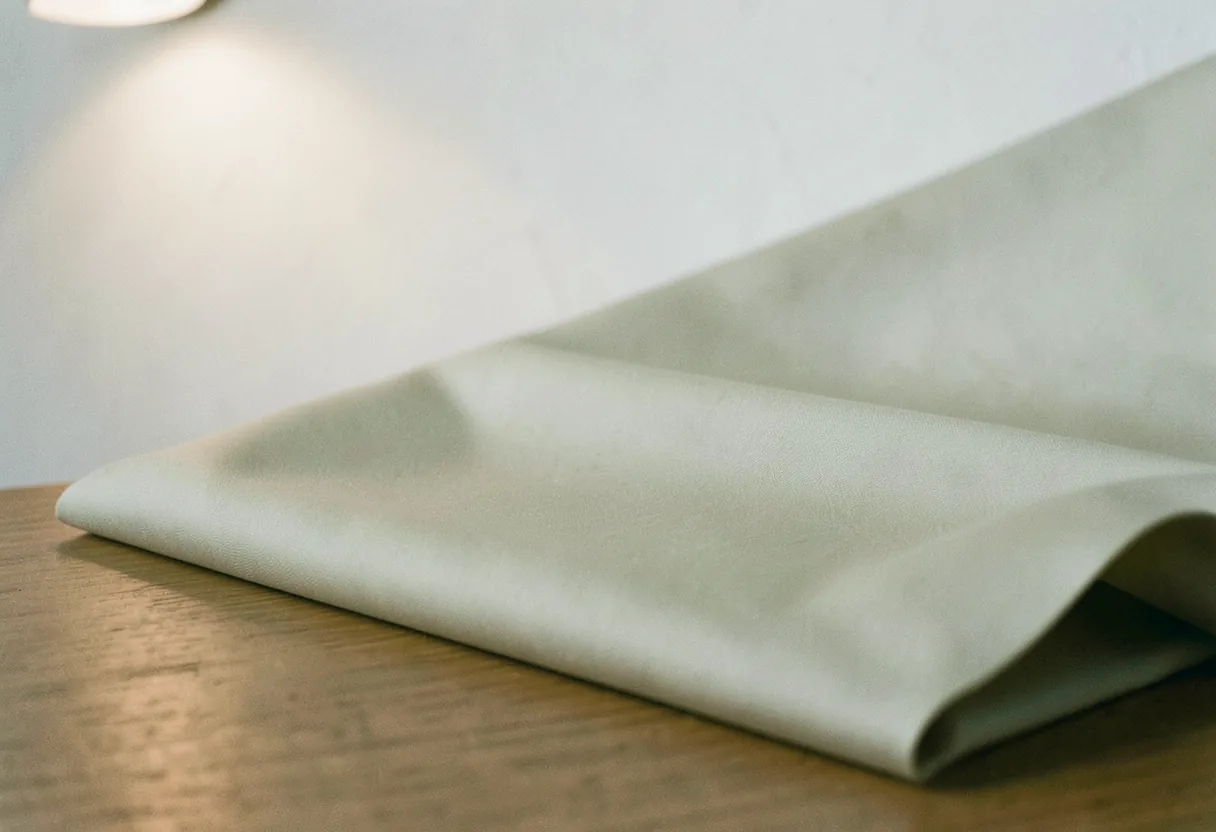
Tencel fabric is a sustainable, eco-friendly material made from wood pulp, typically sourced from eucalyptus trees, and is known for its softness, breathability, and strength.
In plain terms: Tencel fabric is like the organic kale of textiles, nutritious for the planet, packed with benefits, and a refreshing alternative to conventional, resource-heavy options.
Key facts
- Tencel is produced by the Austrian company Lenzing AG, using a closed-loop process that recycles nearly 100% of the solvents used.
- It requires significantly less water and energy to produce compared to conventional cotton.
- Tencel is biodegradable and compostable, returning to nature without leaving microplastic pollution.
- The production process emits far fewer greenhouse gases than synthetic fabrics like polyester.
What is Sustainable Sourcing in Fashion?
Sustainable sourcing in fashion refers to the practice of selecting materials and manufacturing processes that minimize environmental impact, promote social responsibility, and ensure economic viability.
In my experience, sustainable sourcing is not just about the final product but every step in the supply chain. It’s about asking tough questions: Where does the raw material come from? How much water and energy is used in production? Who is making the clothes, and under what conditions? These questions guide brands toward truly sustainable choices, like opting for Tencel fabric.
Sustainable Sourcing vs Traditional Sourcing
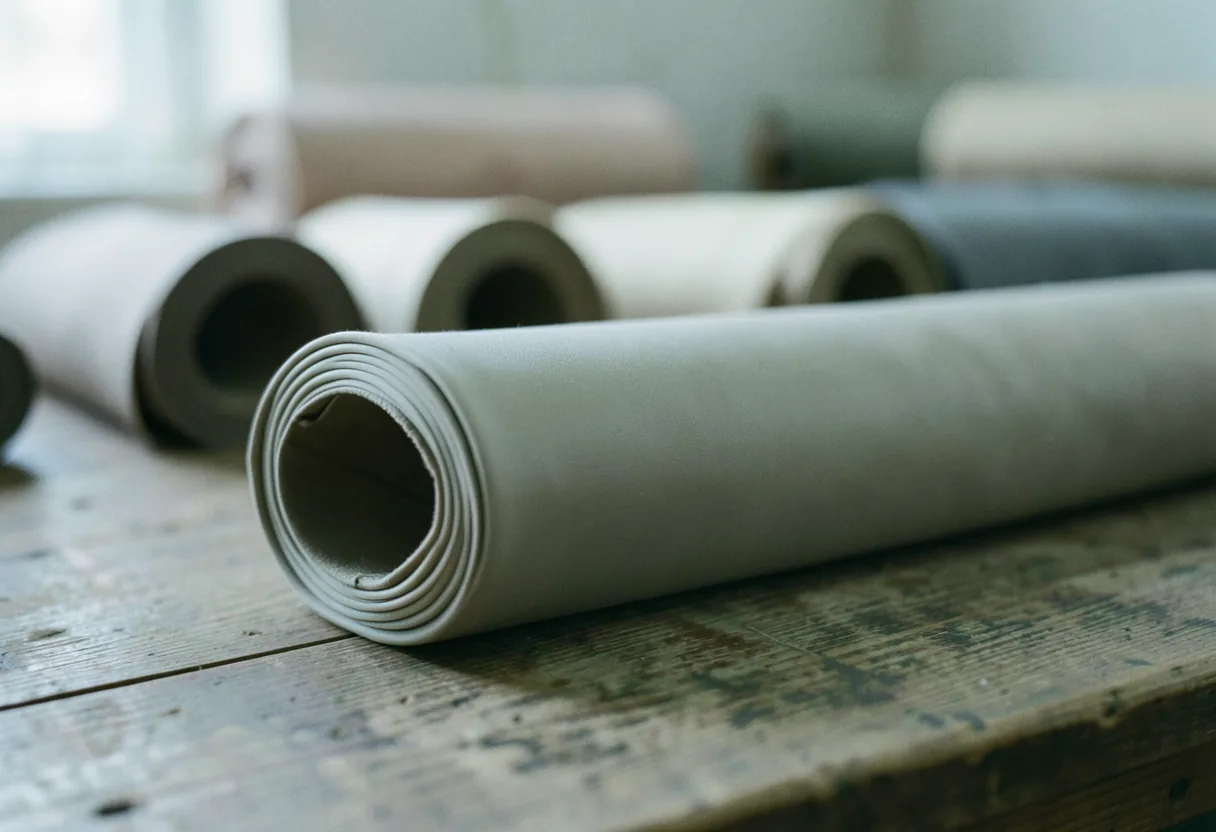
Sustainable sourcing prioritizes eco-friendly materials, ethical labor practices, and minimal environmental impact, while traditional sourcing often focuses on cost efficiency and speed, sometimes at the expense of sustainability.
| Criteria | Sustainable Sourcing | Traditional Sourcing |
|---|---|---|
| Material Selection | Eco-friendly fabrics like Tencel, organic cotton, and recycled polyester | Conventional cotton, synthetic fabrics like polyester, and non-recycled materials |
| Water Usage | Low-water fabrics and closed-loop dyeing processes | High-water usage, especially for conventional cotton |
| Energy Consumption | Renewable energy sources and energy-efficient production | Fossil fuel-based energy and less efficient production methods |
| Labor Practices | Fair wages, safe working conditions, and ethical treatment of workers | Often involves exploitative labor practices and unsafe working conditions |
Tencel Fabric: The Best Option for Sustainable Apparel
Tencel fabric is the best option for sustainable apparel because of its eco-friendly production process, softness, durability, and breathability.
The first time I really looked at Tencel fabric, I was struck by how it effortlessly balances sustainability with performance. Unlike conventional fabrics that rely on heavy water and chemical usage, Tencel’s closed-loop process ensures minimal waste and pollution. This makes it a top choice for brands committed to reducing their environmental footprint.
However, one drawback is that Tencel fabric can be more expensive than conventional options, which might be a consideration for budget-conscious brands. But for those prioritizing sustainability, the long-term benefits often outweigh the initial cost.
What a Sustainable Supply Chain Looks Like
A sustainable supply chain integrates eco-friendly materials, ethical labor practices, and transparent sourcing throughout the production process.
According to the Ellen MacArthur Foundation, a circular economy approach in fashion can significantly reduce waste and environmental impact. This means using materials like Tencel fabric, which can be recycled or composted at the end of their life, closing the loop on waste. Brands that adopt this model not only contribute to a healthier planet but also build trust with consumers who value sustainability.
The Environmental Impact of Fast Fashion
The environmental impact of fast fashion includes high water usage, significant greenhouse gas emissions, and massive textile waste, making it a major contributor to pollution and climate change.
Fast fashion’s linear model, produce, consume, dispose, stands in stark contrast to the principles of sustainable apparel sourcing. For instance, the fashion industry contributes to about 10% of global carbon emissions, according to the United Nations Environment Programme. In contrast, fabrics like Tencel offer a way to reduce this impact by using less water, fewer chemicals, and renewable energy sources.
How to Choose Sustainable Fabrics for Your Brand
To choose sustainable fabrics for your brand, prioritize materials like Tencel fabric, organic cotton, and recycled polyester, and ensure they are sourced ethically and produced with minimal environmental impact.
- **Research the material’s lifecycle**: Look for fabrics that are biodegradable, recyclable, or made from recycled content.
- **Check certifications**: Certifications like the OEKO-TEX Standard 100, Global Organic Textile Standard (GOTS), and the Forest Stewardship Council (FSC) ensure the fabric meets sustainability criteria.
- **Evaluate the supply chain**: Transparency is key. Brands should know where and how their fabrics are produced, ensuring fair labor practices and minimal environmental harm.
- **Consider the end-of-life**: Opt for fabrics that can be easily recycled or composted, reducing waste and promoting a circular economy.
| Fabric | Sustainability Benefits | Drawbacks |
|---|---|---|
| Tencel Fabric | Eco-friendly production, biodegradable, soft and breathable | Higher cost compared to conventional fabrics |
| Organic Cotton | Reduced pesticide use, biodegradable, soft and durable | Requires more land and water than synthetic fabrics |
| Recycled Polyester | Reduces plastic waste, durable, versatile | Microplastic pollution concerns during washing |
| Linen | Biodegradable, low water usage, durable | Can wrinkle easily and requires more care |
Sustainable Sourcing Matters, for Your Brand and Consumers
Sourcing sustainably matters because it reduces environmental impact, promotes ethical labor practices, and meets the growing consumer demand for eco-friendly products.
According to the 2021 McKinsey Fashion Scope Report, 67% of consumers consider the use of sustainable materials an important purchasing factor. By choosing Tencel fabric and other sustainable options, brands not only align with consumer values but also future-proof their business in an increasingly eco-conscious market. Sustainable sourcing is no longer a niche concern but a necessity for brands that want to thrive in the long term.
Known for its eco-friendly production, softness, and durability, Tencel fabric offers a prime option for apparel. Brands can greatly benefit the environment and cater to today’s conscious consumers by focusing on sustainable materials and ethical practices.
Frequently asked questions
What makes Tencel fabric more sustainable than traditional fabrics?
Tencel is made from wood pulp, primarily sourced from eucalyptus, beech, and spruce trees. The production process uses far less water and energy compared to cotton or synthetic fabrics. Additionally, the solvents used are non-toxic and recycled in a closed-loop system, minimizing environmental impact.
How does Tencel fabric compare to cotton in terms of comfort?
Tencel is softer and more breathable than cotton, making it ideal for sensitive skin. It also wicks moisture away from the body, keeping you cooler in warm weather and warmer in cold weather. Unlike cotton, Tencel resists shrinking and wrinkling, maintaining its shape and quality over time.
Is Tencel fabric durable enough for everyday wear?
Yes, Tencel is highly durable. It has a smooth surface that resists pilling and maintains its softness even after multiple washes. The fabric's strength makes it suitable for everyday wear, from casual clothing to activewear, without compromising on comfort or style.
What are the environmental benefits of choosing Tencel over synthetic fabrics?
Tencel is biodegradable and compostable, unlike synthetic fabrics like polyester, which can take hundreds of years to decompose. The production of Tencel also emits fewer greenhouse gases and uses significantly less water, making it a more eco-friendly choice for sustainable apparel.