
Emily Mitchell · on 18 July 2026 · 5 min read · Last reviewed 18 July 2026
Certifications for Sustainable Apparel Sourcing
Certifications for sustainable apparel sourcing are third-party verifications that ensure apparel imports meet specific environmental and ethical standards. OEKO-TEX and GOTS. In plain terms: Think of these certifications like the organic certification for food, they give you confidence that what you’re buying meets certain standards.
Key facts
- According to the Textile Exchange, the use of GOTS-certified cotton has increased by over 150 percent in the last decade.
- The OEKO-TEX certification ensures that textiles are free from harmful substances.
- Other notable certifications include the Fair Trade certification, which focuses on fair labor practices, and the Bluesign certification, which emphasizes sustainable textile production.
Popular Sustainable Apparel Certifications
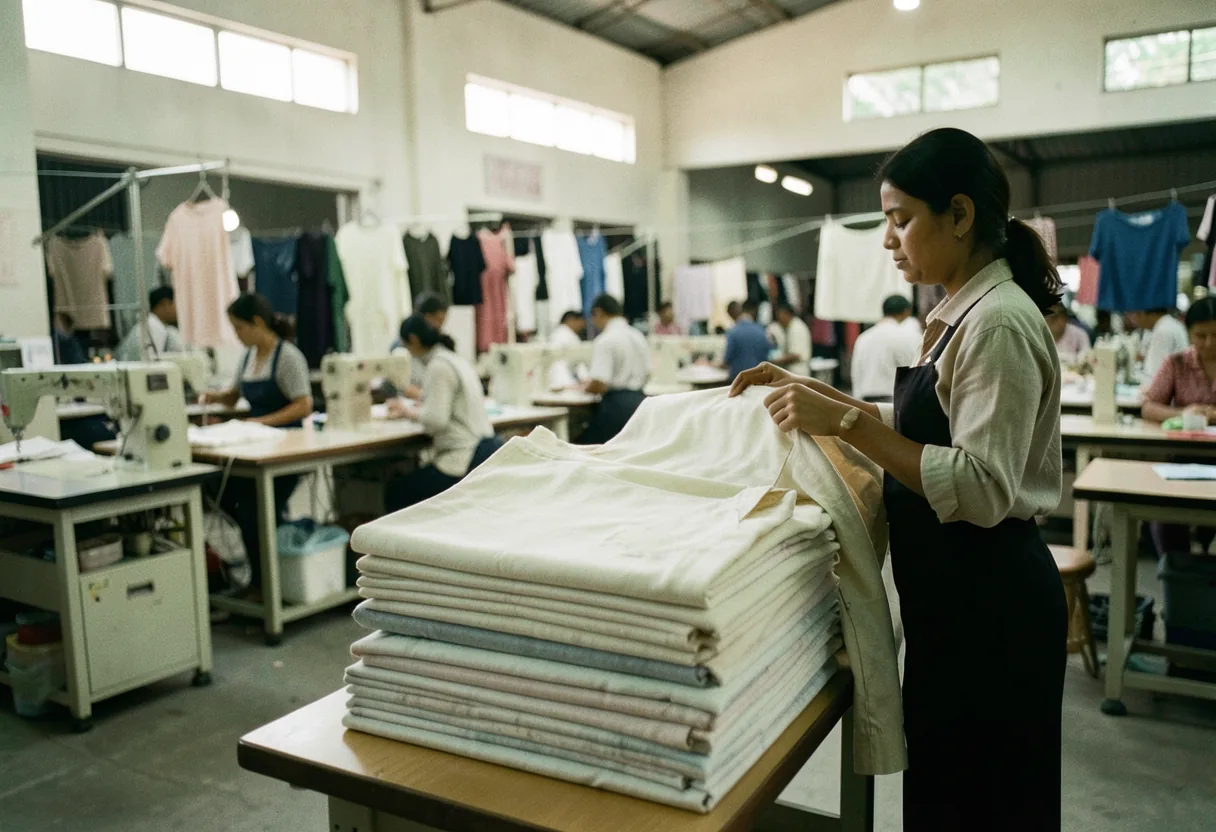
The GOTS certification ensures that textiles are made from organic fibers and meet strict environmental and social criteria throughout the supply chain.
In plain terms: Imagine these certifications as a seal of approval, like a Michelin star for restaurants, ensuring that the apparel you source meets high standards of sustainability and ethics.
| Certification | Key Focus | Standards |
|---|---|---|
| GOTS | Organic fibers and sustainable production | Environmental and social criteria throughout the supply chain |
| OEKO-TEX | Harmonious substances | Textiles free from harmful substances |
| Fair Trade | Fair labor practices | Ethical treatment of workers and fair wages |
| Bluesign | Sustainable textile production | Resource efficiency and minimal environmental impact |
How to Implement Sustainable Apparel Sourcing
Implementing sustainable apparel sourcing involves a strategic approach to selecting materials, suppliers, and manufacturing processes that prioritize environmental and ethical standards.
| Step | Action | Considerations |
|---|---|---|
| 1. Define Your Sustainability Goals | Set clear, measurable goals for your sustainable sourcing initiatives. | Consider factors like reducing carbon footprint, using recycled materials, and ensuring ethical labor practices. |
| 2. Research and Select Suppliers | Identify and vet suppliers who align with your sustainability goals. | Look for certifications, transparency in supply chains, and a commitment to ethical practices. |
| 3. Audit and Monitor Suppliers | Conduct regular audits to ensure suppliers meet your sustainability standards. | Use third-party auditors for unbiased assessments and continuous monitoring. |
| 4. Educate and Engage Stakeholders | Inform your team, suppliers, and customers about sustainable sourcing. | Engage stakeholders through workshops, training sessions, and transparent communication. |
| 5. Measure and Report Progress | Track and report your sustainability efforts and achievements. | Use metrics like carbon emissions, water usage, and waste reduction to measure progress. |
Success Stories in Sustainable Apparel Sourcing
Success stories in sustainable apparel sourcing demonstrate how brands can achieve both environmental and ethical goals while maintaining profitability.
Key facts
- Patagonia, a leading outdoor apparel brand, has been a pioneer in sustainable sourcing, using recycled materials and advocating for fair labor practices.
- Eileen Fisher, known for her timeless designs, has committed to using 100 percent sustainable fibers by 2025.
- The Reformation, a popular fashion brand, has achieved carbon-negative status through its sustainable sourcing and production practices.
| Brand | Sustainable Initiatives | Impact |
|---|---|---|
| Patagonia | Uses recycled materials, advocates for fair labor practices, and promotes transparency in the supply chain. | Reduced carbon footprint, improved brand reputation, and increased customer loyalty. |
| Eileen Fisher | Committed to using 100 percent sustainable fibers by 2025, focuses on ethical labor practices. | Enhanced brand value, increased customer trust, and significant reduction in environmental impact. |
| The Reformation | Achieved carbon-negative status, uses sustainable materials, and promotes transparency in the supply chain. | Improved brand reputation, increased customer loyalty, and significant reduction in carbon emissions. |
In my experience, working with suppliers who prioritize sustainability not only enhances your brand’s reputation but also builds long-term customer loyalty.
Challenges in Sustainable Apparel Sourcing
Challenges in sustainable apparel sourcing include managing complex supply chains, meeting various certification requirements, and balancing cost and quality.
Put simply: Think of these challenges as obstacles in a race, you need to strategize and overcome them to reach the finish line of sustainable sourcing.
Key facts
- According to a report by the United Nations Environment Programme, the fashion industry is responsible for 10 percent of global carbon emissions.
- The complexity of global supply chains can make it difficult to trace the origin of materials and ensure ethical practices.
- Balancing the cost of sustainable materials with the need for competitive pricing is a significant challenge for many brands.
| Challenge | Description | Potential Solutions |
|---|---|---|
| Complex Supply Chains | Tracking materials through worldwide supply chains. | Use blockchain technology for transparency and traceability. |
| Certification Compliance | Ensuring compliance with various sustainability certifications. | Work with third-party auditors and certification bodies. |
| Cost and Quality Balance | Balancing the cost of sustainable materials with quality and competitive pricing. | Invest in long-term partnerships with suppliers and explore innovative materials. |
How to Choose Sustainable Apparel Certifications
Choosing sustainable apparel certifications involves evaluating their relevance to your sustainability goals, the credibility of the certifying body, and the specific standards they uphold.
- Relevance to your sustainability goals: Ensure the certification aligns with your specific environmental and ethical objectives.
- Credibility of the certifying body: Look for certifications from well-established and recognized organizations.
- Specific standards upheld: Understand the specific criteria and standards the certification requires.
- Market recognition: Consider how well-known and respected the certification is in your industry and among consumers.
Sustainable apparel sourcing is not just a trend; it’s a necessary shift for the future of fashion. By prioritizing ethical and eco-friendly practices, you can make a significant impact on both your brand and the environment.
Educational Resources for Sustainable Apparel Sourcing
Educational resources for sustainable apparel sourcing include online courses, webinars, and workshops that provide in-depth knowledge and practical skills.
The short version: Think of these resources as textbooks and study guides, they equip you with the knowledge and tools to excel in sustainable apparel sourcing.
Key facts
- The Fashion Institute of Technology offers courses on sustainable fashion and apparel sourcing.
- Webinars by the Textile Exchange provide insights into the latest trends and best practices in sustainable sourcing.
- Workshops by the Sustainable Apparel Coalition focus on practical skills and strategies for sustainable apparel production.
| Resource | Provider | Focus Area |
|---|---|---|
| Online Courses | Fashion Institute of Technology | Sustainable fashion and apparel sourcing |
| Webinars | Textile Exchange | Latest trends and best practices |
| Workshops | Sustainable Apparel Coalition | Practical skills and strategies |
In my experience, continuous learning and staying updated with the latest trends and best practices are crucial for success in sustainable apparel sourcing.
By leveraging these educational resources, you can enhance your knowledge and skills, making a significant impact on your brand’s sustainability efforts.
Frequently asked questions
Which countries lead in ethical apparel manufacturing?
Bangladesh, Vietnam, and Cambodia are prominent for ethical apparel production. Bangladesh, for instance, has over 4,000 garment factories, many adhering to strict labor and safety standards. Vietnam's textile industry is known for its skilled workforce and compliance with international labor laws, while Cambodia focuses on fair wages and worker rights.
How can companies verify ethical practices in overseas factories?
Companies use third-party audits, like those from the Fair Labor Association, to verify ethical practices. On-site inspections, worker interviews, and compliance checks against standards like SA8000 are common. Transparent supply chains and regular factory visits also help ensure adherence to ethical guidelines.
What are the biggest challenges in sourcing ethical apparel globally?
Challenges include fluctuating labor costs, complex regulations, and ensuring consistent quality. For example, minimum wage increases in Bangladesh have impacted production costs, while compliance with multiple countries' labor laws can be cumbersome. Balancing cost, quality, and ethics often requires strategic partnerships and long-term contracts.
How do certifications like Fair Trade and GOTS impact apparel sourcing?
Fair Trade ensures fair wages and safe conditions, while GOTS certifies organic textiles and ethical practices. These certifications build consumer trust and can justify higher prices. For example, a brand using GOTS-certified cotton can market its commitment to sustainability, attracting eco-conscious consumers.
Related Reading
- Sustainable Textile Certifications & Standards
- Navigating Material Wholesalers: A Buyer’s Guide to Sustainable Textiles
- Gen Z & Sustainable Sourcing Trends
Part of the Eco-Friendly Fabric Suppliers & Wholesale guide hub.