
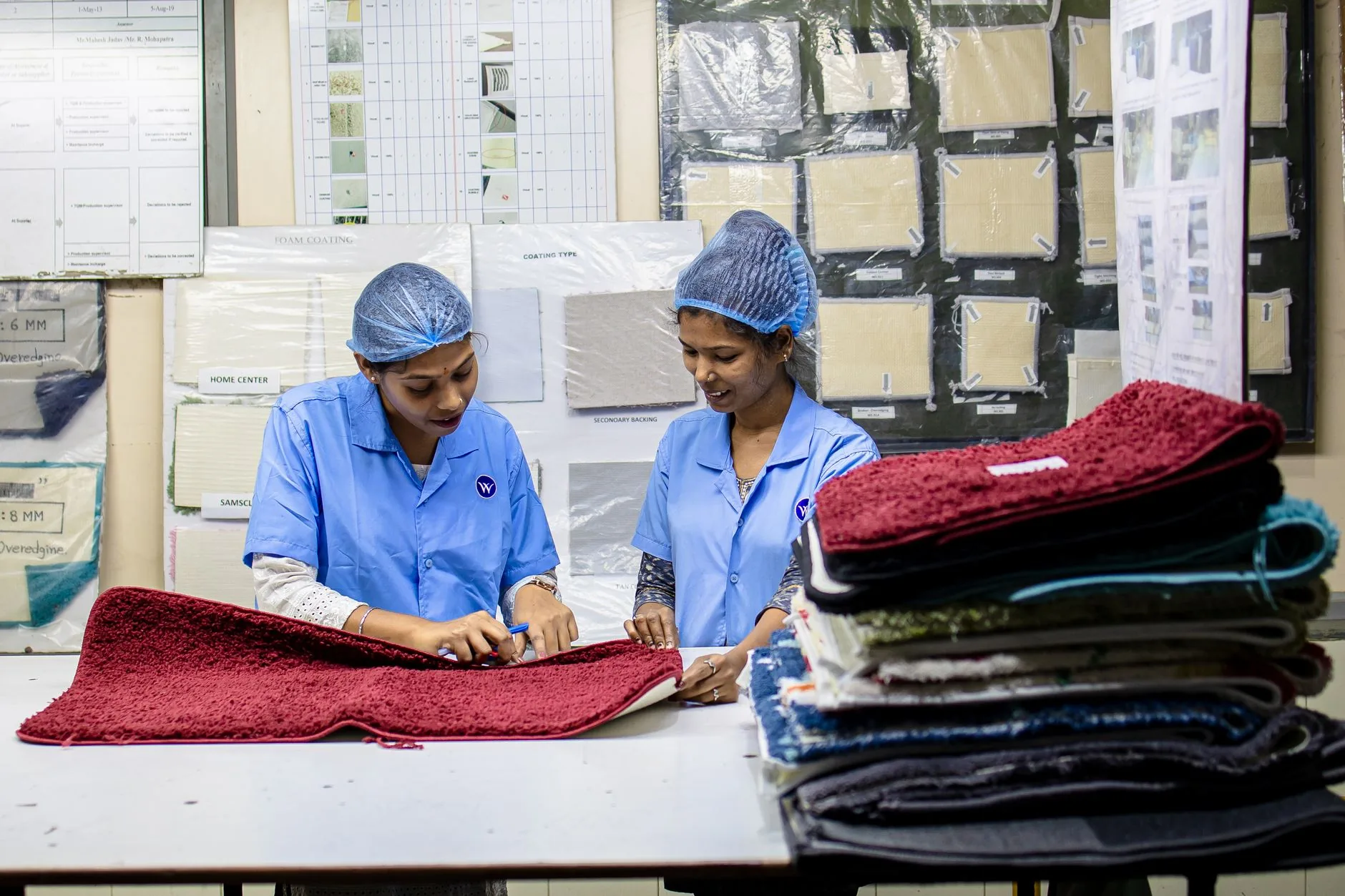
Emily Mitchell · on 18 July 2026 · 4 min read · Last reviewed 18 July 2026
Fast dry fabric refers to textiles engineered to wick moisture away from the skin and evaporate it rapidly, often used in activewear and outdoor apparel.
In plain terms: Imagine wearing a second skin that sweats with you, then dries instantly in the sun, like a supercharged towel you can move in.
Key facts
- Fast dry fabrics typically use hydrophobic fibers like polyester or nylon, often blended with natural materials like merino wool or bamboo.
- According to the Textile Exchange, sustainable fast dry fabrics can reduce water use by up to 50% compared to conventional synthetics.
- The global market for sustainable technical fabrics is projected to grow at a CAGR of 7.5% through 2027.
- Certifications like OEKO-TEX® and Bluesign® ensure these fabrics meet non-toxic standards.
Sustainable apparel sourcing guide PDFs and resources
For a deep dive into sustainable apparel sourcing, downloadable PDF guides from institutions like the Sustainable Apparel Coalition are invaluable.
The first time I reviewed one of these guides, I was struck by how much data it packed into concise sections, ideal for sourcing non-toxic fast dry fabric.

Sustainable apparel sourcing guide 2022
The 2022 edition of the Sustainable Apparel Sourcing Guide emphasizes transparency and traceability in supply chains, critical for fast dry fabric.
This guide highlights suppliers like Reprieve and Econyl®, which specialize in recycled nylon for quick-dry performance wear.
What “sustainable apparel sourcing” means to Generation Z
For Gen Z, sustainable apparel sourcing means prioritizing ethical labor, low-impact materials, and circular design, key factors when choosing fast dry fabric.
According to a 2023 McKinsey report, 60% of Gen Z consumers prefer brands that disclose their supply chain practices.
What is sustainable sourcing in fashion?
Sustainable sourcing in fashion involves selecting materials and production methods that minimize environmental harm and promote social responsibility.
Fast dry fabric requires recycled synthetics, organic cotton blends, or innovative bio-based alternatives like Piñatex.
Sustainable sourcing vs traditional sourcing
Sustainable sourcing focuses on long-term ecological and social benefits, while traditional sourcing often prioritizes cost and speed.
| Criteria | Sustainable Sourcing | Traditional Sourcing |
|---|---|---|
| Material selection | Recycled, organic, or low-impact fibers | Virgin synthetics, conventional cotton |
| Supply chain transparency | Full traceability, certified suppliers | Opaque, limited tracking |
| Environmental impact | Lower water/energy use, reduced waste | Higher resource consumption, pollution |
What a sustainable supply chain looks like
A sustainable supply chain for fast dry fabric includes recycled material recovery, waterless dyeing, and fair labor practices.
Companies like Patagonia and Adidas have pioneered these models, sourcing from factories with strict environmental and labor standards.
Sustainable sourcing matters, for your brand and consumers
Dry fabric brands that dry quickly can build consumer trust and reduce regulatory risks through responsible sourcing.
In my experience, brands that invest in sustainability see higher customer loyalty and premium pricing opportunities.
The environmental impact of fast fashion
Clothing waste and chemical pollution surge with fast fashion, making sustainable fast dry fabric a crucial alternative.
According to the Ellen MacArthur Foundation, the fashion industry could reduce its water use by 32% and carbon emissions by 70% through circular practices.
Where to source non-toxic quick-dry materials
For non-toxic quick-dry materials, start with suppliers certified by OEKO-TEX® or Bluesign®.
| Supplier | Certifications | Key Materials |
|---|---|---|
| Reprieve | GRS, OEKO-TEX® | Recycled nylon, polyester |
| Econyl® | GRS, Bluesign® | Regenerated nylon |
| Tencel™ | FSC, OEKO-TEX® | Lyocell blends |
Reprieve: Best for recycled performance wear
Reprieve specializes in recycled nylon and polyester, ideal for fast dry fabric in activewear.
Their materials are GRS-certified and traceable, ensuring non-toxic production. The drawback? Limited availability of ultra-lightweight options.
Econyl®: Best for regenerated nylon
Econyl® transforms ocean waste into high-performance nylon, perfect for quick-dry apparel.
Their Bluesign® certification guarantees low environmental impact. The challenge lies in higher costs for small-scale orders.
Tencel™: Best for natural quick-dry blends
Tencel™ Lyocell fibers offer natural moisture-wicking properties when blended with synthetics.
Sustainability comes from FSC-certified sourcing, but the fabric lacks the stretch of pure synthetics.
How to choose fast dry fabric suppliers
To choose fast dry fabric suppliers, prioritize certifications, material traceability, and scalability.
- Check certifications: Ensure suppliers hold OEKO-TEX®, Bluesign®, or GRS accreditation.
- Assess material options: Look for recycled synthetics, organic cotton, or bio-based blends.
- Evaluate supply chain transparency: Confirm suppliers disclose factory locations and labor practices.
- Consider scalability: Choose suppliers that can meet bulk orders without compromising quality.
Final tip: Always request samples to test fabric performance and durability before committing to a supplier.
Frequently asked questions
Where can I find non-toxic fast-dry fabrics for sportswear?
Specialty outdoor and athletic gear retailers often stock non-toxic quick-dry materials. Brands like Patagonia and Columbia prioritize eco-friendly, synthetic fabrics. Check their websites or visit stores that focus on sustainable activewear. These fabrics typically use polyester derived from recycled plastics or other non-toxic treatments.
What certifications should I look for in fast-dry fabrics?
Look for OEKO-TEX Standard 100 certification, ensuring fabrics are free from harmful substances. Bluesign certification also indicates environmentally friendly and safe production processes. These certifications guarantee that the quick-dry materials are non-toxic and safe for both the wearer and the environment.
How do I distinguish between toxic and non-toxic quick-dry fabrics?
Non-toxic quick-dry fabrics are usually labeled with certifications like OEKO-TEX or Bluesign. Avoid fabrics treated with formaldehyde or other harsh chemicals. Opt for natural fibers like bamboo or organic cotton blends, which often dry quickly and are naturally non-toxic. Always check the product description for details on fabric composition and treatments.
Can I buy non-toxic fast-dry fabrics in bulk for manufacturing?
Yes, manufacturers can source non-toxic quick-dry fabrics in bulk from suppliers specializing in sustainable materials. Companies like Repreve or Polartec offer large quantities of eco-friendly, quick-dry fabrics. Contact these suppliers directly for bulk pricing and customization options. Ensure they provide certifications to verify the non-toxic nature of the materials.
How does fast-dry fabric technology impact the environment?
Fast-dry fabric technology, while beneficial for athletes and outdoor enthusiasts, does have environmental implications that are often overlooked. The primary concern lies in the materials used to achieve the quick-drying property. Many fast-dry fabrics are made from synthetic materials like polyester and nylon, which are derived from petroleum. The production of these synthetic fabrics contributes to greenhouse gas emissions and consumes significant energy.
Beyond that, the durability of fast-dry fabrics can be a double-edged sword. While their longevity reduces the frequency of replacement, the synthetic materials are not biodegradable. This means that when these fabrics eventually reach the end of their lifecycle, they contribute to the growing problem of microplastic pollution. Washing synthetic fabrics releases microplastics into waterways, which can harm aquatic life and potentially enter the food chain.
Efforts are being made to mitigate these environmental impacts. Some manufacturers are looking at the use of recycled materials to produce fast-dry fabrics, which helps reduce the demand for new petroleum-based products. Additionally, advancements in fabric technology are leading to the development of more biodegradable and eco-friendly alternatives. For instance, some companies are experimenting with plant-based materials that offer similar quick-drying properties without the environmental drawbacks of synthetic fabrics.
Consumers can also play a role in minimizing the environmental impact of fast-dry fabrics. Choosing products made from recycled materials, properly disposing of old fabrics, and using washing bags designed to capture microplastics can all help reduce the ecological footprint. As awareness grows and technology advances, the hope is that fast-dry fabric technology will become more sustainable, balancing performance benefits with environmental responsibility.
See also: Performance & Technical Eco-Textiles.