

Emily Mitchell · on 18 July 2026 · 7 min read · Last reviewed 18 July 2026
Material wholesalers are businesses that supply bulk quantities of textiles and fabrics to apparel brands, prioritizing sustainable and eco-friendly materials.
In plain terms: Think of material wholesalers as the farmers market of the fashion industry, offering a curated selection of eco-friendly fabrics instead of mass-produced, conventional textiles.
Key facts
- Sustainable material wholesalers typically offer certified organic cotton, recycled polyester, TENCEL™, and other eco-friendly fabrics.
- The global sustainable fashion market is projected to reach $15.18 billion by 2025, growing at a CAGR of 6.8% from 2020 to 2025, according to ResearchAndMarkets.
- Sustainable sourcing can reduce a brand’s carbon footprint by up to 80%, compared to traditional sourcing methods.
- Working with material wholesalers allows brands to access a wider range of sustainable fabrics than they could produce in-house.
What is sustainable sourcing in fashion?
Sustainable sourcing in fashion refers to the practice of selecting materials and manufacturing processes that minimize environmental impact and promote social responsibility.
Key facts
- Sustainable sourcing involves considering factors such as material composition, production methods, labor practices, and supply chain transparency.
- According to the Textile Exchange, preferred fibers like organic cotton and recycled polyester can significantly reduce water usage and greenhouse gas emissions.
- Sustainable sourcing also encompasses circular economy principles, such as designing for recycling and upcycling materials.
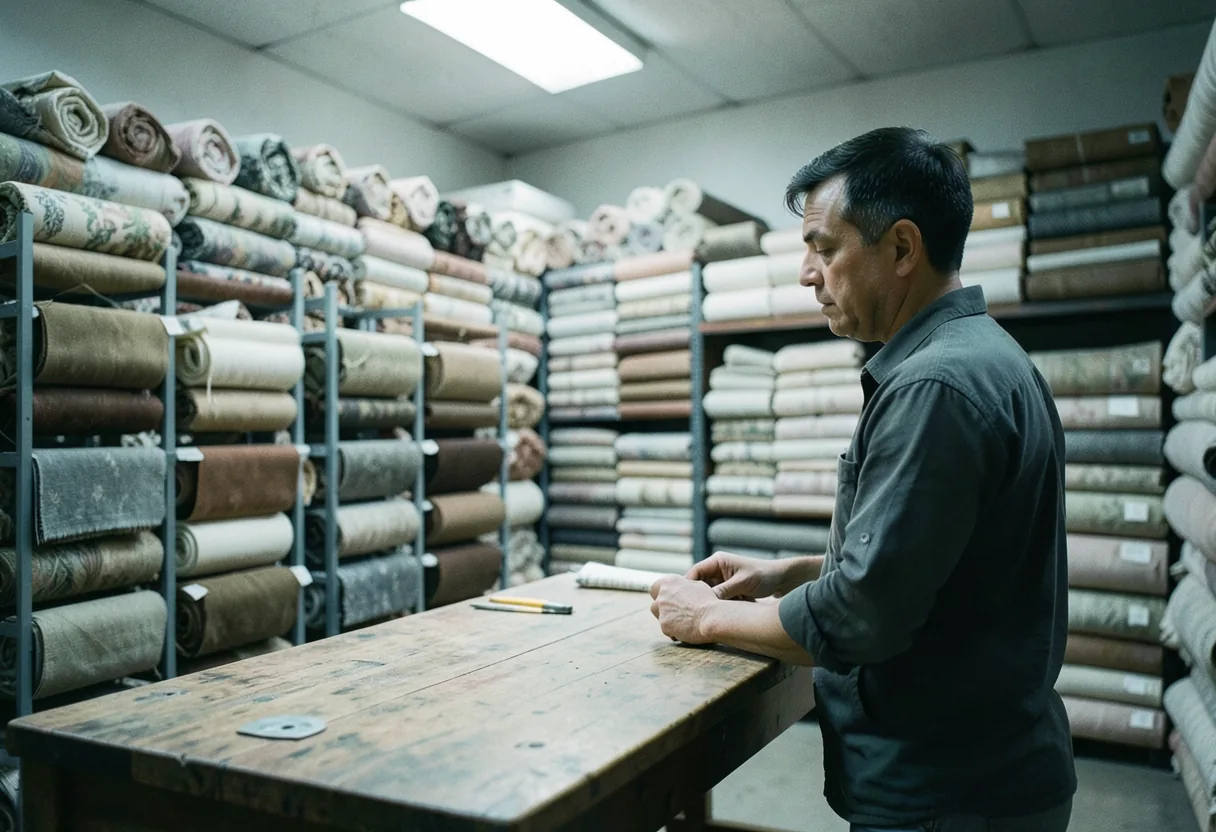
Sustainable sourcing vs traditional sourcing
Sustainable sourcing prioritizes eco-friendly materials and ethical labor practices, while traditional sourcing often focuses on cost and speed, regardless of environmental or social impact.
Put simply: Sustainable sourcing is like choosing locally grown, organic produce, while traditional sourcing is akin to selecting conventionally farmed, mass-produced goods.
Key facts
- Sustainable sourcing typically involves higher upfront costs but can lead to long-term savings through improved brand reputation and reduced environmental impact.
- Traditional sourcing may offer lower initial costs but can result in hidden expenses, such as reputational damage from unethical labor practices.
- According to the Global Fashion Agenda, sustainable sourcing can drive innovation and create new business opportunities for brands.
What a sustainable supply chain looks like
A sustainable supply chain is transparent, ethical, and environmentally responsible, from raw material extraction to final product delivery.
Key facts
- A sustainable supply chain involves working with certified suppliers, monitoring labor conditions, and minimizing waste throughout the production process.
- Brands can achieve supply chain transparency by mapping their supply chain, conducting regular audits, and using blockchain technology.
- According to the Sustainable Apparel Coalition, a sustainable supply chain can enhance brand credibility and customer loyalty.
Top sustainable material wholesalers
| Material Wholesaler | Sustainable Materials Offered | Certifications | Minimum Order Quantity |
|---|---|---|---|
| Organic Cotton Plus | Organic cotton, recycled polyester | GOTS, OEKO-TEX®, Fair Trade | 300 yards |
| Unifi’s Repreve | Recycled polyester, nylon | GRS, OEKO-TEX®, bluesign® | 500 lbs |
| Lenzing’s TENCEL™ | Lyocell, modal | FSC, EU Ecolabel, TÜV Austria | 1,000 meters |
Organic Cotton Plus
Organic Cotton Plus is best for brands prioritizing GOTS-certified organic cotton and Fair Trade practices. Their minimum order quantity of 300 yards makes them accessible to small and medium-sized brands. One drawback is their limited selection of recycled materials.
Unifi’s Repreve
Unifi’s Repreve is ideal for brands focusing on recycled polyester and nylon. Their bluesign® certification ensures minimal environmental impact, and their 500 lbs minimum order quantity is suitable for growing brands. However, their fabric options are more limited compared to other wholesalers.
Lenzing’s TENCEL™
Lenzing’s TENCEL™ is perfect for brands seeking lyocell and modal fabrics with FSC certification. Their 1,000 meters minimum order quantity is best for established brands. A potential downside is their higher price point compared to other sustainable material wholesalers.
How to choose material wholesalers
To do choose material wholesalers, consider the following criteria:
- Material selection: Ensure the wholesaler offers the specific sustainable fabrics you need for your brand.
- Certifications: Verify the wholesaler’s certifications, such as GOTS, OEKO-TEX®, or Fair Trade, to guarantee their materials meet your sustainability standards.
- Minimum order quantity: Assess the wholesaler’s minimum order quantity to ensure it aligns with your brand’s production needs and budget.
- Supply chain transparency: Evaluate the wholesaler’s supply chain transparency, including their labor practices and environmental impact.
Sustainable sourcing matters, for your brand and consumers
Brands must prioritize sourcing that meets consumer demand for eco-friendly and ethical products, reduces environmental impact, and enhances reputation.
Key facts
- According to the Nielsen Global Sustainability Report, 81% of global respondents feel strongly that companies should help improve the environment.
- Sustainable sourcing can differentiate your brand in a competitive market and attract environmentally conscious consumers.
- By prioritizing sustainable sourcing, brands can contribute to a more responsible and transparent fashion industry.
The environmental impact of fast fashion
The environmental impact of fast fashion includes significant water usage, pollution, and greenhouse gas emissions, making sustainable sourcing an essential alternative.
Key facts
- According to the United Nations Environment Programme, the fashion industry contributes to 10% of global carbon emissions and 20% of global wastewater.
- Fast fashion’s linear take-make-dispose model results in considerable textile waste, with an estimated 92 million tons generated annually.
- Sustainable sourcing promotes circular economy principles, such as recycling and upcycling, to minimize waste and conserve resources.
Sustainable apparel sourcing guide pdf
To create a sustainable apparel sourcing guide PDF, compile essential information on sustainable materials, certified suppliers, and best practices for ethical sourcing. Include resources such as How to Find Reliable Wholesale Textile Suppliers for Sustainable Brands and Best Material Shops Online for Sustainable Apparel Sourcing to help brands make informed decisions.
Sustainable apparel sourcing guide 2022
A 2022 guide on sustainable apparel sourcing should cover key trends like the rise in recycled material use and supply chain transparency improvements. Industry reports and expert views can offer a broad look at today’s sustainable sourcing scene.
What “sustainable apparel sourcing” means to you and your generation, Generation Z?
For Generation Z, sustainable apparel sourcing means supporting brands that align with their values of environmental responsibility and social justice. This generation expects transparency and authenticity from brands, driving demand for sustainable and ethical fashion.
Sourcing globally without compromising ethics
To source globally without compromising ethics, work with certified suppliers, conduct regular audits, and utilize tools like the Understanding Apparel Imports: Sourcing Globally Without Compromising Ethics to ensure responsible sourcing practices throughout your supply chain.
The role of certifications in sustainable material wholesalers
Certifications in sustainable material wholesalers validate the eco-friendliness and ethical practices of their materials, providing brands with assurance and consumers with trust.
The short version: Think of certifications as the organic labels on produce, ensuring that the materials meet specific environmental and social standards.
Key facts
- Certifications such as GOTS, OEKO-TEX®, and Fair Trade ensure that materials are produced sustainably and ethically.
- According to the Textile Exchange, certified materials can reduce environmental impact by up to 50% compared to conventional materials.
- Certifications help brands meet regulatory requirements and consumer expectations for sustainability.
| Certification | Focus Area | Key Benefits |
|---|---|---|
| GOTS (Global Organic Textile Standard) | Organic farming and processing | Ensures organic status of textiles, from harvesting to manufacturing |
| OEKO-TEX® | Textile safety and sustainability | Certifies that textiles are free from harmful substances |
| Fair Trade | Ethical labor practices | Promotes fair wages, safe working conditions, and community development |
| bluesign® | Resource efficiency and consumer safety | Ensures minimal environmental impact and safe working conditions |
| FSC (Forest Stewardship Council) | Responsible forest management | Certifies that materials come from responsibly managed forests |
GOTS certification
GOTS certification is best for brands prioritizing organic materials and comprehensive sustainability standards. It ensures the organic status of textiles from harvesting to manufacturing. One drawback is the rigorous certification process, which can be time-consuming and costly.
OEKO-TEX® certification
OEKO-TEX® certification is ideal for brands focusing on textile safety and sustainability. It certifies that textiles are free from harmful substances, ensuring consumer safety. However, it does not cover the entire supply chain, including labor practices and environmental impact.
Fair Trade certification
Fair Trade certification is perfect for brands seeking to promote ethical labor practices and community development. It ensures fair wages, safe working conditions, and supports communities. A potential downside is that it may not cover environmental sustainability aspects comprehensively.
How certifications enhance brand reputation
To enhance brand reputation through certifications, ensure that your materials meet the highest sustainability and ethical standards. Promote your certifications to consumers, highlighting your commitment to responsible sourcing and production.
- Transparency: Clearly communicate your certifications and their benefits to consumers.
- Consistency: Maintain consistent adherence to certified standards across your supply chain.
- Education: Inform consumers about certifications and their effect on sustainability and ethical practices.
By choosing material wholesalers that prioritize sustainability, you contribute to a more responsible fashion industry and meet the growing consumer demand for eco-friendly products.
Frequently asked questions
What distinguishes sustainable textiles from conventional fabrics?
Sustainable textiles are made from eco-friendly materials like organic cotton, recycled polyester, or bamboo. They use fewer chemicals and less water, reducing environmental impact. For example, organic cotton uses 91% less water than conventional cotton. These fabrics often meet certifications like GOTS or OEKO-TEX, ensuring they meet strict environmental and social standards.
How can buyers verify the sustainability claims of material wholesalers?
Look for third-party certifications such as GOTS, OEKO-TEX, or bluesign. These certifications ensure the textiles meet specific environmental and social criteria. Additionally, request documentation like material safety data sheets or environmental impact reports. Transparent suppliers often provide detailed information about their sourcing and production processes.
What are the cost implications of purchasing sustainable textiles?
Sustainable textiles can be more expensive due to higher production costs, but they often provide long-term savings. For instance, organic cotton may cost 20-30% more upfront, but its durability reduces replacement frequency. Additionally, brands that use sustainable materials often command premium pricing, which can offset initial costs.
Which sustainable textiles are most durable and suitable for high-use applications?
Recycled polyester is highly durable and ideal for activewear or outdoor gear. Hemp is another reliable option, known for its strength and resistance to pests. Tencel Lyocell, made from wood pulp, offers softness and breathability, making it suitable for everyday clothing. These materials balance sustainability with performance, ensuring longevity.
Related Reading
- Sustainable Sourcing vs Traditional Sourcing: A Compliance Comparison
- Best Material Shops Online for Sustainable Apparel Sourcing
- Working Directly with a Wholesale Fabric Manufacturer for Better Margins
- Top Textile Shops Online for Sourcing Eco-Friendly Materials
Part of the Eco-Friendly Fabric Suppliers & Wholesale guide hub.