
Emily Mitchell · on 18 July 2026 · 10 min read · Last reviewed 18 July 2026
Duck Cloth Canvas Production Process
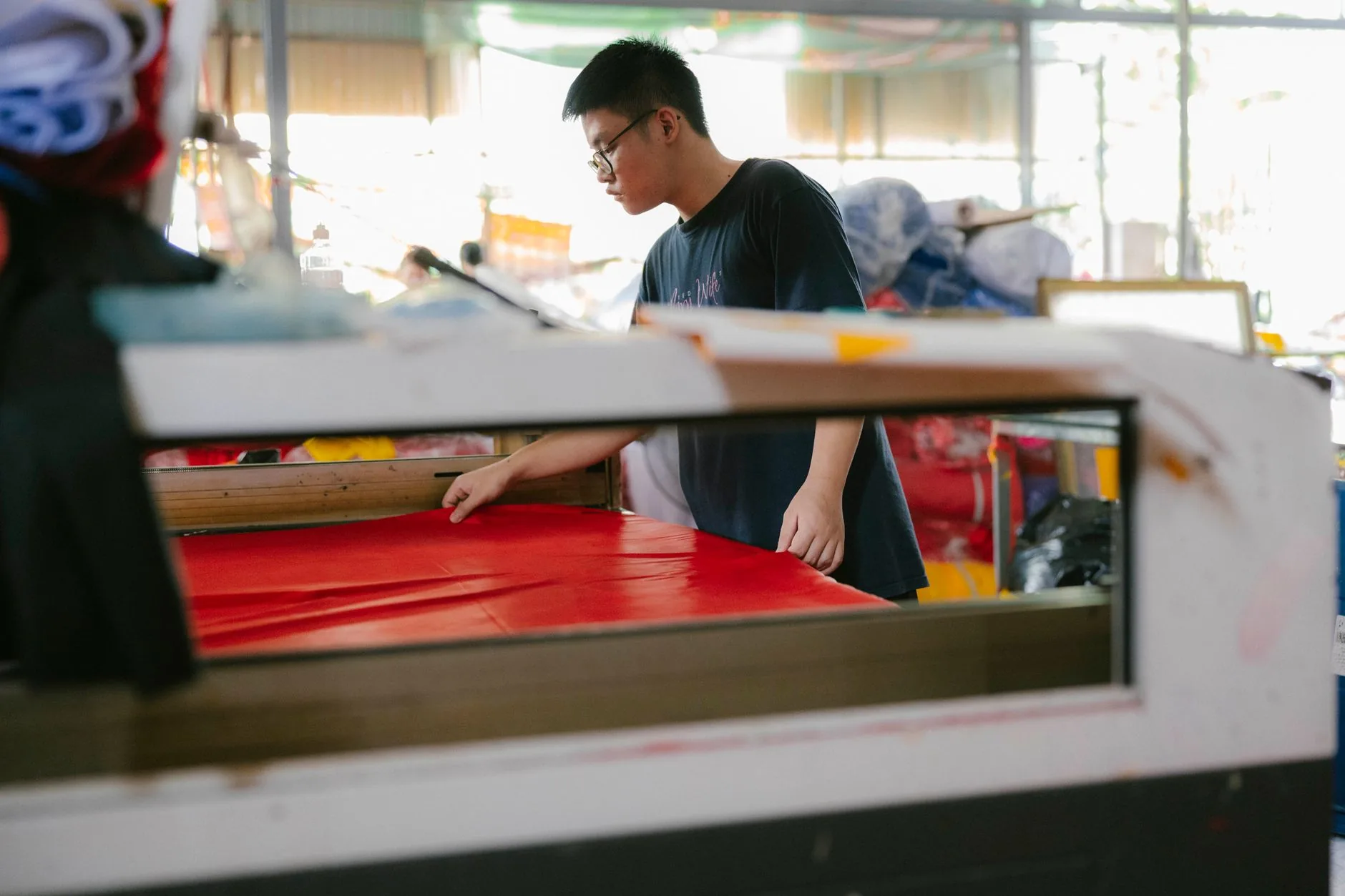
Duck cloth canvas production involves several key stages, from raw material preparation to final finishing, ensuring a durable and high-quality fabric.
In plain terms: Creating duck cloth canvas is like baking a loaf of bread, each step, from kneading the dough to baking, is crucial to achieving the perfect result.
Key facts
- The production of duck cloth canvas typically starts with high-quality, long-staple cotton fibers, which are spun into strong, fine yarns.
- These yarns are then woven tightly together using a plain weave, creating a dense and sturdy fabric.
- After weaving, the fabric often undergoes treatments such as waxing or enzyme washing to enhance its durability and water resistance.
- According to the Textile Exchange, the use of organic cotton in duck cloth canvas production can reduce the environmental impact by up to 91% compared to conventional cotton.
| Production Stage | Description | Key Considerations |
|---|---|---|
| Fiber Preparation | High-quality cotton fibers are selected and cleaned to remove impurities. | Use of organic or recycled fibers enhances sustainability. |
| Spinning | Fibers are spun into fine, strong yarns suitable for weaving. | Fine yarns ensure a tight weave, contributing to the fabric’s durability. |
| Weaving | Yarns are woven together using a plain weave to create a dense fabric. | A tight weave is essential for the fabric’s strength and longevity. |
| Finishing | Fabric undergoes treatments like waxing or enzyme washing to enhance properties. | Natural finishes like beeswax are preferred for their eco-friendly benefits. |

How to Source Duck Cloth Canvas for Sustainable Apparel
To source duck cloth canvas for sustainable apparel, follow these steps:
- Identify Suppliers: Research and identify suppliers who specialize in organic or recycled duck cloth canvas.
- Check Certifications: Ensure the suppliers have relevant certifications like GOTS or OEKO-TEX to guarantee the fabric’s sustainability.
- Evaluate Quality: Assess the fabric’s durability, thread count, and weave density to ensure it meets your quality standards.
- Request Samples: Order samples to evaluate the fabric’s texture, finish, and overall suitability for your apparel line.
- Negotiate Terms: Discuss pricing, minimum order quantities, and lead times to ensure a mutually beneficial partnership.
- Monitor Supply Chain: Regularly monitor the supply chain to ensure ongoing adherence to sustainable practices.
Sourcing duck cloth canvas from reputable suppliers ensures that your apparel line not only meets sustainability goals but also delivers high-quality products to your customers.
Sustainable Apparel Certifications
Sustainable apparel certifications are essential for verifying that fabrics and garments meet specific environmental and ethical standards, providing transparency and credibility to consumers.
In plain terms: Think of certifications as the seal of approval for sustainable apparel, ensuring that every step of the production process aligns with eco-friendly and ethical practices.
Key facts
- The Global Organic Textile Standard (GOTS) ensures that textiles are made from organic fibers and processed with environmentally friendly methods.
- OEKO-TEX certifications guarantee that textiles are free from harmful substances, ensuring they are safe for human use.
- The Bluesign system focuses on reducing the environmental impact of textile production by ensuring safe and sustainable practices throughout the supply chain.
- Fair Trade Certified ensures that workers are paid fair wages and work in safe conditions, promoting ethical labor practices.
- According to the Textile Exchange, certifications like these are crucial for maintaining trust and transparency in the fashion industry.
How to Choose Sustainable Apparel Certifications
To choose sustainable apparel certifications, consider the following criteria:
- Relevance to Materials: Ensure the certification aligns with the materials you use, such as organic cotton or recycled fibers.
- Consumer Trust: Opt for certifications that are well-known and trusted by consumers, like GOTS or OEKO-TEX.
- Supply Chain Transparency: Choose certifications that provide detailed information about the entire supply chain, ensuring transparency and accountability.
- Environmental Impact: Prioritize certifications that focus on reducing environmental impact, such as Bluesign or Cradle to Cradle.
- Ethical Labor Practices: Look for certifications that promote fair wages and safe working conditions, like Fair Trade Certified.
Certifications not only enhance the credibility of your brand but also provide consumers with the assurance that your products are truly sustainable.
How to Integrate Certifications into Your Sustainable Apparel Line
To integrate certifications into your sustainable apparel line, follow these steps:
- Research Certifications: Identify certifications that align with your materials and sustainability goals.
- Partner with Certified Suppliers: Work with suppliers who already have the necessary certifications to streamline the process.
- Educate Your Team: Train your team about certifications and how to maintain compliance.
- Communicate with Consumers: Highlight the certifications on your product labels and marketing materials to build trust with eco-conscious consumers.
- Monitor Compliance: Regularly audit your supply chain to ensure ongoing adherence to certification standards.
Integrating certifications into your sustainable apparel line not only enhances your brand’s credibility but also appeals to a growing market of environmentally aware consumers.
Sustainable Apparel Sourcing Guide
Sustainable apparel sourcing involves selecting materials and production methods that minimize environmental impact and promote ethical labor practices.
In plain terms: It’s like choosing a farm-to-table meal for your wardrobe, every ingredient (fabric) and preparation step (manufacturing) is carefully selected to be as eco-friendly and ethical as possible.
Key facts
- Sustainable sourcing often prioritizes organic, recycled, or upcycled materials.
- The process includes reducing water usage, energy consumption, and chemical pollutants.
- Brands like Patagonia and Eileen Fisher are known for their commitment to sustainable sourcing practices.
- According to the Global Fashion Agenda, sustainable sourcing can reduce the fashion industry’s carbon footprint by up to 30%.
How to Choose Sustainable Materials for Apparel
To choose sustainable materials for apparel, consider the following criteria:
- Material Origin: Opt for materials that are organic, recycled, or upcycled to reduce environmental impact.
- Durability: Select materials known for their longevity to minimize the need for frequent replacements.
- Eco-Friendly Certifications: Look for certifications like GOTS or OEKO-TEX to ensure the materials meet environmental and ethical standards.
- Supply Chain Transparency: Choose materials from suppliers who provide detailed information about their sourcing and manufacturing processes.
Choosing sustainable materials for apparel ensures that your products are not only eco-friendly but also appeal to a growing market of environmentally conscious consumers.
Sustainable Apparel Sourcing vs Traditional Sourcing
Sustainable apparel sourcing focuses on environmental stewardship and social responsibility, while traditional sourcing prioritizes cost efficiency and speed.
In plain terms: Sustainable sourcing is like choosing a hybrid car over a gas-guzzler, it’s better for the planet and often better for the people involved, but it might cost a bit more upfront.
Key facts
- Sustainable sourcing often involves higher initial costs due to eco-friendly materials and fair labor practices.
- Traditional sourcing can lead to faster production times and lower immediate costs.
- The choice between the two can significantly impact a brand’s environmental footprint and consumer perception.
| Criteria | Sustainable Sourcing | Traditional Sourcing |
|---|---|---|
| Environmental Impact | Low (uses eco-friendly materials and processes) | High (often involves harmful chemicals and excessive waste) |
| Cost | Higher initial cost, but potential long-term savings | Lower initial cost, but potential hidden environmental costs |
| Production Time | Slower due to careful material selection and ethical practices | Faster due to streamlined, cost-efficient processes |
| Consumer Perception | Positive, aligns with values of eco-conscious consumers | Negative, may deter environmentally aware shoppers |
Recognizing the distinctions between sustainable and traditional sourcing enables brands to make informed decisions that align with their values and goals.
Sustainable Apparel Sourcing Tips
Here are some tips for successful sustainable apparel sourcing:
- Research Suppliers: Find suppliers who align with your sustainability goals and have relevant certifications.
- Educate Your Team: Train your team on sustainable sourcing and how to put it into practice successfully.
- Communicate with Consumers: Highlight your sustainable sourcing practices in your marketing to build trust with eco-conscious consumers.
- Monitor Impact: Regularly track the environmental and social impact of your sourcing practices to continually improve.
Apparel sourcing with sustainability in mind demands continuous dedication and work, but the advantages for the planet and your brand are significant.
Sustainable Apparel Sourcing Certification
Sustainable apparel sourcing certification ensures that the materials and production methods used in apparel meet specific environmental and ethical standards.
In plain terms: Think of certifications as the nutrition labels for fabrics, they give you a clear picture of what you’re buying and its impact on the planet.
Key facts
- The Global Organic Textile Standard (GOTS) ensures that textiles are made from organic fibers and processed with environmentally friendly methods.
- OEKO-TEX certifications guarantee that textiles are free from harmful substances, ensuring they are safe for human use.
- The Bluesign system focuses on reducing the environmental impact of textile production by ensuring safe and sustainable practices throughout the supply chain.
- Fair Trade Certified ensures that workers are paid fair wages and work in safe conditions, promoting ethical labor practices.
- According to the Textile Exchange, certifications like these are crucial for maintaining trust and transparency in the fashion industry.
How to Choose Certifications for Your Sustainable Apparel Line
To choose certifications for your sustainable apparel line, consider the following criteria:
- Relevance to Your Materials: Ensure the certification aligns with the materials you use, such as organic cotton or recycled fibers.
- Consumer Trust: Opt for certifications that are well-known and trusted by consumers, like GOTS or OEKO-TEX.
- Supply Chain Transparency: Choose certifications that provide detailed information about the entire supply chain, ensuring transparency and accountability.
- Environmental Impact: Prioritize certifications that focus on reducing environmental impact, such as Bluesign or Cradle to Cradle.
Certifications not only enhance the credibility of your brand but also provide consumers with the assurance that your products are truly sustainable.
Eco-Friendly Finishing Techniques for Duck Cloth Canvas
Eco-friendly finishing techniques for duck cloth canvas involve processes that minimize environmental impact while enhancing the fabric’s properties.
In plain terms: Think of eco-friendly finishing techniques as giving your fabric a spa day, using natural and non-toxic treatments to make it look and feel its best without harming the planet.
Key facts
- Enzyme washing is a popular eco-friendly technique that uses natural enzymes to break down impurities and soften the fabric.
- Beeswax finishing provides a water-resistant coating without the use of harmful chemicals.
- According to the Textile Exchange, natural finishing techniques can reduce water usage by up to 50% compared to conventional methods.
- Plant-based dyes are another eco-friendly option, reducing the reliance on synthetic chemicals.
| Finishing Technique | Description | Environmental Benefits |
|---|---|---|
| Enzyme Washing | Uses natural enzymes to break down impurities and soften the fabric. | Reduces water usage and eliminates the need for harsh chemicals. |
| Beeswax Finishing | Applies a natural beeswax coating to enhance water resistance. | Biodegradable and non-toxic, providing a sustainable alternative to synthetic treatments. |
| Plant-Based Dyes | Uses dyes derived from plants to color the fabric. | Reduces reliance on synthetic chemicals and minimizes water pollution. |
| Ozone Treatment | Uses ozone gas to bleach and disinfect the fabric. | Reduces water usage and eliminates the need for chlorine-based bleaches. |
The choice of eco-friendly finishing techniques can significantly enhance the sustainability of your duck cloth canvas, making it more appealing to environmentally conscious consumers.
How to Implement Eco-Friendly Finishing Techniques
To implement eco-friendly finishing techniques for duck cloth canvas, follow these steps:
- Research Techniques: Identify eco-friendly finishing techniques that align with your sustainability goals and fabric requirements.
- Consult Experts: Work with textile experts or consultants who specialize in sustainable finishing processes.
- Invest in Equipment: Ensure you have the necessary equipment and facilities to implement these techniques effectively.
- Train Your Team: Educate your team on the benefits and proper implementation of eco-friendly finishing techniques.
- Monitor Results: Regularly assess the quality and sustainability of your finished fabrics to ensure ongoing adherence to eco-friendly practices.
Implementing eco-friendly finishing techniques not only enhances the sustainability of your duck cloth canvas but also appeals to a growing market of eco-conscious consumers.
Sustainable Apparel Sourcing Tips (in practice)
Here are some tips for successful sustainable apparel sourcing:
- Research Suppliers: Find suppliers who align with your sustainability goals and have relevant certifications.
- Educate Your Team: Train your team about sustainable sourcing and how to put it into practice successfully.
- Communicate with Consumers: Highlight your sustainable sourcing practices in your marketing to build trust with eco-conscious consumers.
- Monitor Impact: Regularly track the environmental and social impact of your sourcing practices to continually improve.
Choosing apparel sourced responsibly is a journey demanding continuous dedication, yet the rewards for the environment and your brand are invaluable.
Enhancing sustainability and appeal to environmentally conscious consumers hinges on selecting the right eco-friendly finishing techniques for duck cloth canvas.
Frequently asked questions
What exactly is duck cloth canvas?
Duck cloth canvas is a heavy-duty, plain-weave cotton fabric known for its durability. Historically used in workwear and industrial applications, it's now popular in sustainable fashion due to its longevity and potential for recycling. The tight weave resists tears, making it ideal for high-stress garments.
How does duck cloth canvas contribute to waste reduction?
Its longevity reduces the need for frequent replacements. Unlike fast fashion materials, duck cloth garments last years, cutting textile waste. Additionally, cotton's recyclability means old duck cloth can be repurposed into new fabric, further minimizing landfill contributions.
What makes duck cloth canvas more sustainable than synthetic fabrics?
Synthetics shed microplastics during washing, polluting waterways. Duck cloth, being natural, biodegrades at end-of-life. It also avoids the fossil fuel dependency of synthetics. While cotton farming has environmental costs, organic duck cloth mitigates these by avoiding harmful pesticides.
Can duck cloth canvas be used for casual wear beyond workwear?
Absolutely. Designers now use duck cloth for jackets, bags, and even shoes. Its rugged texture adds character to casual pieces. Lightweight duck cloth variants offer comfort without sacrificing durability, making it versatile for everyday wear.
Related Reading
- Fabric Eco Friendly: Closing the Loop in Circular Fashion
- How Knit Cloth Production Can Be Optimized for Zero Waste
- Woven Fabric Material: Techniques to Minimize Cutting Waste
Part of the Circular Fashion & Waste Reduction guide hub.
See also: Cotton Fleece Manufacturing: Reducing Water and Energy Waste.
See also: Ramie Fabric: A Low-Impact Alternative for Sustainable Garment Making.