
Emily Mitchell · on 18 July 2026 · 6 min read · Last reviewed 18 July 2026
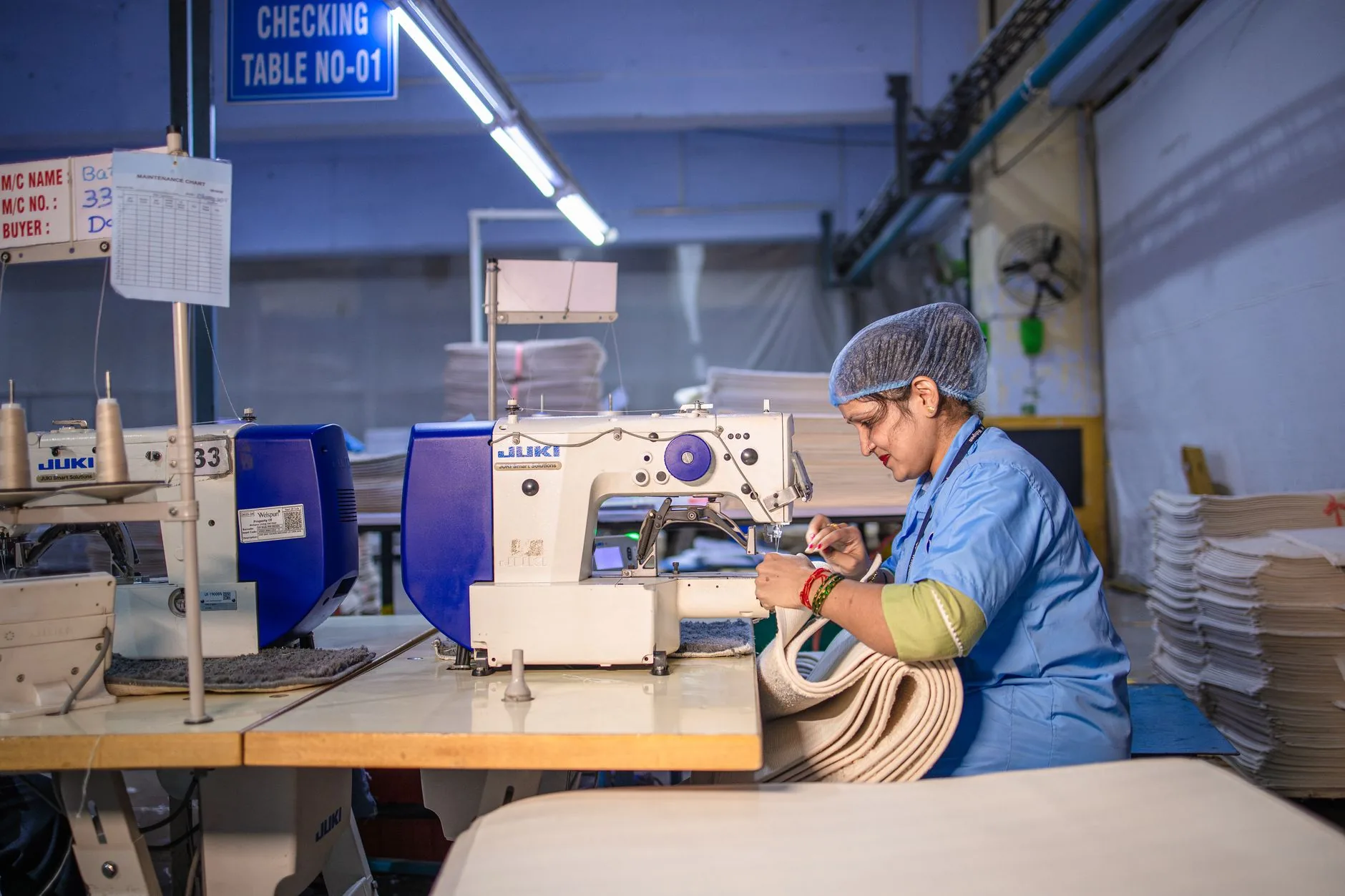
Modern fashion’s sustainable supply chain exemplifies what a sustainable supply chain looks like, emphasizing environmental responsibility, ethical labor practices, and transparency throughout apparel production.
In plain terms: Think of it like a farm-to-table restaurant, but for clothing. Just as a farm-to-table establishment traces ingredients back to their source to ensure quality and sustainability, a sustainable supply chain tracks every thread and dye back to its origin to guarantee it’s ethically and ecologically sound.
Key facts
- A 2022 McKinsey report found that 67% of fashion brands have set sustainability targets, but only 21% have fully integrated sustainable practices into their supply chains.
- According to the Ellen MacArthur Foundation, fashion’s global carbon emissions could rise by more than 60% by 2030 if no action is taken.
- The average garment travels 15,000 miles before reaching the consumer, contributing significantly to its carbon footprint.
- Brands like Patagonia and Eileen Fisher have led the way by publishing detailed reports on their supply chain practices, setting benchmarks for transparency.
What is Sustainable Sourcing in Fashion?
Sustainable sourcing in fashion refers to the practice of selecting materials and suppliers that minimize environmental harm and uphold fair labor standards.
The first time I really looked at sustainable sourcing in fashion, I was struck by how much it mirrors the slow food movement. Just as slow food emphasizes local, seasonal ingredients and fair wages for farmers, sustainable sourcing emphasizes eco-friendly materials, ethical labor practices, and reduced environmental impact.
Key facts
- Organic cotton uses 91% less water than conventional cotton, according to the Textile Exchange.
- The use of recycled polyester can reduce carbon emissions by up to 79% compared to virgin polyester.
- Brands like Reformation and Tentree use materials like organic cotton, recycled polyester, and Tencel to reduce their environmental impact.
Sustainable Sourcing vs Traditional Sourcing
Sustainable sourcing prioritizes environmental responsibility and ethical labor practices, while traditional sourcing often focuses on cost and speed.
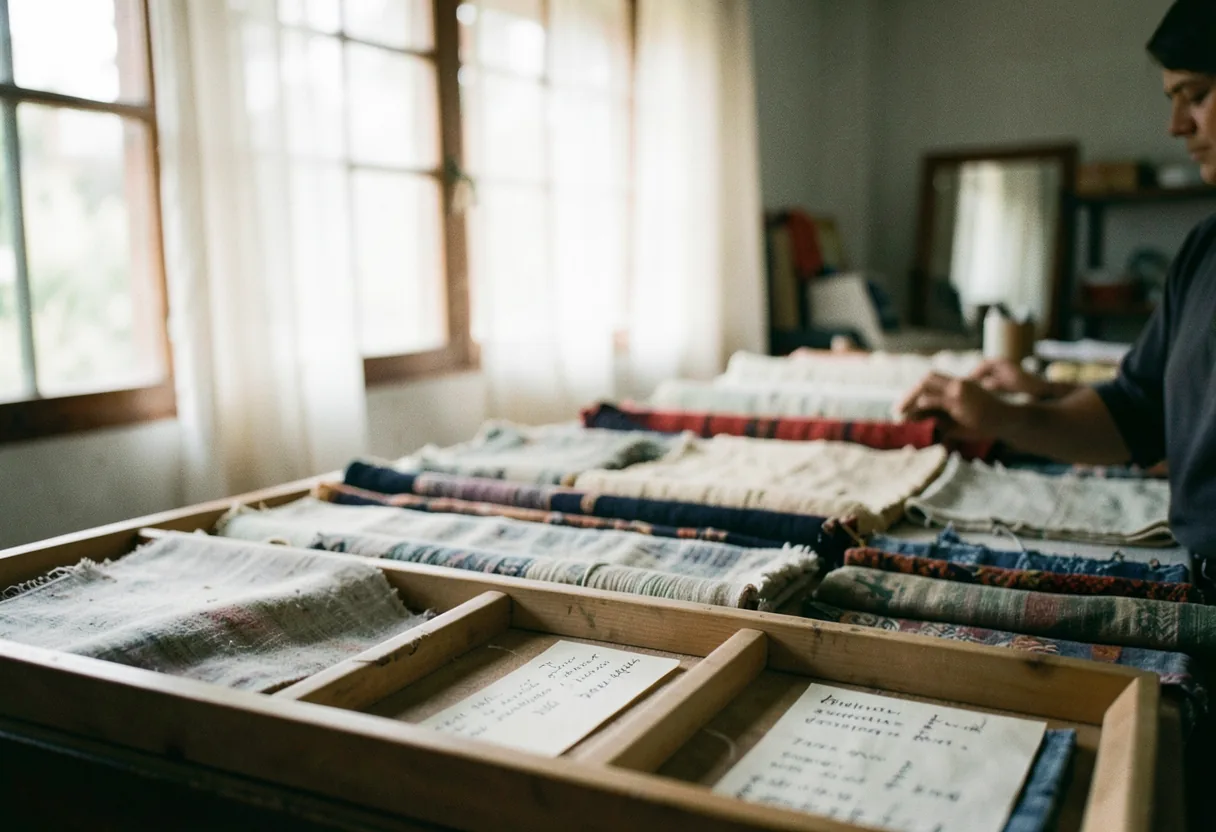
Traditional sourcing can be likened to a high-speed assembly line where the primary goal is to produce as many items as quickly and cheaply as possible, often at the expense of quality and sustainability. Sustainable sourcing, on the other hand, is more like a carefully curated artisanal process where every step is mindful of its impact on people and the planet.
| Criteria | Sustainable Sourcing | Traditional Sourcing |
|---|---|---|
| Materials | Organic, recycled, or sustainably sourced materials | Conventional, often synthetic materials |
| Labor Practices | Fair wages, safe working conditions, and ethical treatment | Often lower wages and less stringent labor standards |
| Environmental Impact | Minimized carbon footprint, reduced water usage, and lower waste | Higher carbon footprint, significant water usage, and more waste |
| Transparency | Full disclosure of suppliers and production processes | Opaque supply chains with limited transparency |
What a Sustainable Supply Chain Looks Like
A sustainable supply chain looks like a transparent, ethical, and eco-friendly network where every stage of production is accountable for its environmental and social impact.
In my experience, brands that excel in sustainable apparel sourcing often start with a deep commitment to transparency. They map out every step of their supply chain, from the farms that grow their raw materials to the factories that assemble their garments. This level of detail ensures that every component of their products meets high standards for sustainability and ethics.
Key facts
- Brands like Patagonia and Eileen Fisher publish detailed reports on their supply chain practices, including information on their suppliers and the environmental impact of their materials.
- According to the Fashion Revolution’s Fashion Transparency Index, only 22% of major fashion brands disclose their entire supplier list.
- The Higg Index, developed by the Sustainable Apparel Coalition, is a widely used tool for assessing the environmental and social performance of apparel and footwear products.
| Stage | Sustainable Practices | Traditional Practices |
|---|---|---|
| Material Sourcing | Organic cotton, recycled polyester, Tencel | Conventional cotton, virgin polyester |
| Manufacturing | Renewable energy, water recycling, zero-waste patterns | Coal-powered factories, significant water usage, high waste |
| Transportation | Local suppliers, carbon-neutral shipping | Global suppliers, high carbon emissions |
| Packaging | Recyclable or compostable materials | Plastic packaging |
Sustainable Sourcing Matters, for Your Brand and Consumers
Consumer values, environmental impact, and long-term brand loyalty make sourcing responsibly crucial.
According to a 2023 Nielsen report, 73% of global consumers say they would definitely or probably change their consumption habits to reduce negative environmental impact. This shift in consumer behavior highlights sustainable sourcing for brands looking to stay competitive and relevant.
Key facts
- A 2022 survey by McKinsey found that 60% of consumers are willing to pay more for sustainable products.
- The Global Fashion Agenda and Boston Consulting Group estimate that the fashion industry could reduce its greenhouse gas emissions by 2.1 billion tons per year by 2030 through sustainable practices.
- Brands like Everlane and Outdoor Voices have built their reputation on transparency and sustainability, attracting a loyal customer base.
The Environmental Impact of Fast Fashion
The environmental impact of fast fashion includes significant carbon emissions, water pollution, and textile waste.
Fast fashion operates on a model of rapid production and consumption, leading to a staggering environmental toll. The fashion industry is responsible for 10% of annual global carbon emissions, more than all international flights and maritime shipping combined, according to the United Nations Environment Programme. This model not only depletes resources but also contributes to the growing problem of textile waste.
Key facts
- The fashion industry consumes 93 billion cubic meters of water annually, enough to meet the needs of 5 million people.
- According to the Ellen MacArthur Foundation, the equivalent of one garbage truck of textiles is landfilled or burnt every second.
- The production of synthetic fibers, like polyester, releases microplastics into the ocean, contributing to marine pollution.
| Environmental Impact | Fast Fashion | Sustainable Fashion |
|---|---|---|
| Carbon Emissions | High (10% of global emissions) | Low (significantly reduced through sustainable practices) |
| Water Usage | High (93 billion cubic meters annually) | Low (reduced through water recycling and sustainable materials) |
| Textile Waste | High (one garbage truck per second) | Low (zero-waste patterns and recycling initiatives) |
| Resource Depletion | High (rapid consumption of resources) | Low (focus on renewable and recycled materials) |
How to Choose a Sustainable Supply Chain
To choose a sustainable supply chain, prioritize transparency, ethical labor practices, and eco-friendly materials.
To build a sustainable supply chain, start by assessing your current suppliers and identifying areas for improvement. Look for suppliers that use sustainable materials, prioritize fair labor practices, and have a transparent supply chain. Tools like the Higg Index can help you evaluate the environmental and social performance of your suppliers.
- Prioritize suppliers with certifications like Fair Trade, GOTS (Global Organic Textile Standard), and OEKO-TEX.
- Invest in renewable energy and water recycling technologies in your manufacturing processes.
- Use materials like organic cotton, recycled polyester, and Tencel to reduce your environmental impact.
- Educate consumers about your sustainability efforts through transparent reporting and marketing campaigns.
By focusing on these key areas, you can build a sustainable supply chain that aligns with consumer values and reduces your environmental impact.
Brands that excel in sustainable apparel sourcing often start with a deep commitment to transparency. They map out every step of their supply chain, from the farms that grow their raw materials to the factories that assemble their garments. This level of detail ensures that every component of their products meets high standards for sustainability and ethics.
Frequently asked questions
How does sustainable sourcing impact fashion supply chains?
Sustainable sourcing reduces environmental harm by choosing eco-friendly materials and ethical suppliers. Brands like Patagonia use recycled polyester, cutting water use by 90% compared to virgin polyester. This shift forces supply chains to prioritize transparency and long-term partnerships over cheap, disposable resources.
What role do certifications play in sustainable fashion?
Certifications like GOTS (Global Organic Textile Standard) and OEKO-TEX verify sustainability claims. A 2020 report by Textile Exchange found that certified organic cotton farms use 62% less energy than conventional farms. These labels help consumers trust brands and push suppliers to adopt stricter environmental and labor standards.
Can automation reduce waste in fashion supply chains?
Yes. Automation minimizes overproduction by using data to predict demand accurately. Zara’s on-demand production system cuts textile waste by producing only what sells. This precision reduces excess inventory, a major source of landfill waste, and aligns with circular economy goals.
Why do sustainable supply chains often cost more?
Higher costs stem from fair wages, eco-friendly materials, and smaller production runs. H&M’s Conscious Collection uses organic cotton, which costs 30% more than conventional cotton. While prices reflect these investments, brands justify them through long-term savings, reduced waste, and stronger consumer loyalty.
Related Reading
- Cost-Effective Sustainability Solutions for Growing Apparel Brands
- Sustainable Sourcing vs Traditional Sourcing: A Compliance Comparison
- The Travels of a T-Shirt in the Global Economy: Mapping Ethical Production
- Why Sustainable Sourcing Matters for Your Brand and Consumers
- The Environmental Impact of Fast Fashion: Why Certifications Matter