

Jason Barrett · on 24 July 2026 · 5 min read · Last reviewed 24 July 2026
4 easy strategies for implementing sustainable sourcing step by step are actionable methods that help apparel brands reduce their environmental footprint while maintaining profitability.
The short version: Think of sustainable sourcing as a three-legged stool: one leg is eco-friendly materials, another is ethical labor practices, and the third is transparent supply chains.
Key facts
- According to McKinsey & Company, sustainable sourcing can reduce a brand’s carbon footprint by up to 30%.
- The global sustainable fashion market is projected to reach $9.81 billion by 2025, growing at a CAGR of 6.8% from 2020 to 2025.
- Consumers, especially Generation Z, are increasingly willing to pay a premium for sustainable products.
What is Sustainable Sourcing in Fashion?
Sustainable sourcing in fashion is the practice of selecting materials and manufacturing processes that minimize environmental harm and promote social responsibility.
Put simply: It’s like choosing locally grown, organic produce over mass-produced, pesticide-laden fruits and vegetables, both are fruits, but one is far better for your health and the planet.
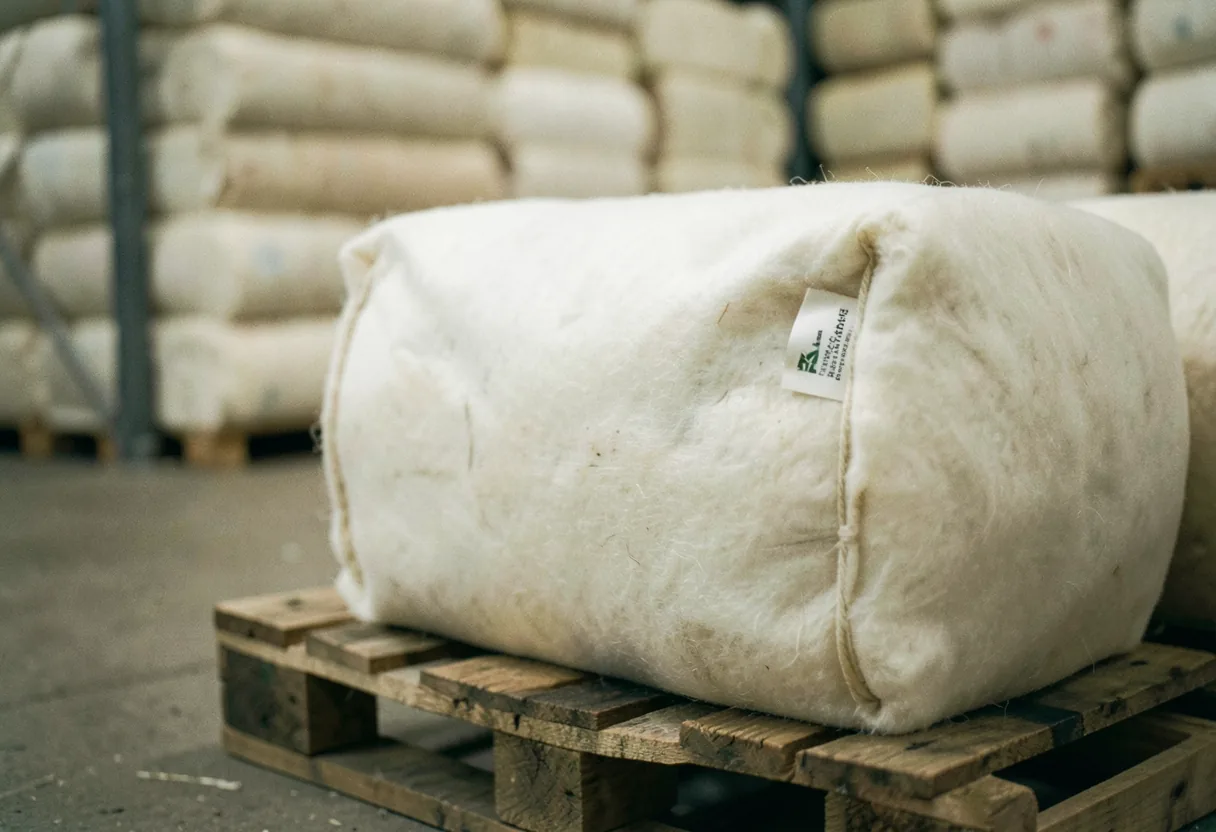
Sustainable Sourcing vs Traditional Sourcing
Sustainable sourcing prioritizes environmental stewardship and ethical labor practices, while traditional sourcing often focuses solely on cost and speed.
| Criteria | Sustainable Sourcing | Traditional Sourcing |
|---|---|---|
| Materials | Organic, recycled, or upcycled fabrics | Conventional, synthetic, or chemically treated fabrics |
| Labor Practices | Fair wages, safe working conditions | Often exploitative, with low wages and poor conditions |
| Supply Chain Transparency | Full transparency, from farm to factory | Opaque, with little visibility into production processes |
What a Sustainable Supply Chain Looks Like
A sustainable supply chain is transparent, efficient, and environmentally responsible, ensuring every step of production aligns with ethical and ecological standards.
In plain terms: Imagine a supply chain as a clear, flowing river, you can see every rock and fish, and the water stays clean and healthy.
Sustainable Sourcing Matters, for Your Brand and Consumers
Enhancing brand reputation, attracting eco-conscious consumers, and reducing long-term costs associated with environmental damage comes from sourcing sustainably.
Key facts
- Brands like Patagonia and Eileen Fisher have built strong reputations through sustainable practices.
- Consumers are 66% more likely to purchase from brands that commit to sustainability, according to a Nielsen report.
- Sustainable practices can lead to cost savings through reduced waste and improved efficiency.
4 Easy Strategies for Implementing Sustainable Sourcing Step by Step
To implement sustainable sourcing, start by auditing your current supply chain, then gradually integrate sustainable materials and ethical practices.
What You Need
- A detailed audit of your current supply chain
- Partnerships with sustainable suppliers
- Eco-friendly materials
- A transparent communication strategy
- Conduct a supply chain audit. Identify areas of inefficiency, waste, and unethical practices. Use tools like the Higg Index to assess your environmental impact.
- Source eco-friendly materials. Replace conventional fabrics with organic cotton, recycled polyester, or other sustainable alternatives. Look for certifications like GOTS or OEKO-TEX.
- Partner with ethical suppliers. Collaborate with suppliers who prioritize fair labor practices and environmental responsibility. Websites like Sustainable Apparel Coalition can help you find certified suppliers.
- Implement transparent practices. Share your sustainability efforts with consumers through detailed reports and clear labeling. Use platforms like Blockchain to track and verify your supply chain.
Common Mistakes to Avoid
The most frequent errors in sustainable sourcing include greenwashing, neglecting worker conditions, and failing to measure impact.
- Greenwashing. Avoid misleading claims about sustainability. Be transparent and back up your claims with certifications and data.
- Ignoring labor practices. Sustainable sourcing isn’t just about materials, it’s also about ensuring fair wages and safe working conditions.
- Not measuring impact. Use tools like Life Cycle Assessment (LCA) to track your environmental footprint and make data-driven improvements.
The Environmental Impact of Fast Fashion
Fast fashion significantly contributes to pollution, waste, and resource depletion, making sustainable sourcing a critical countermeasure.
Here’s the gist: Fast fashion is like a fast-food chain, cheap, convenient, and harmful to both health and the environment.
| Environmental Impact | Fast Fashion | Sustainable Sourcing |
|---|---|---|
| Water Usage | High (e.g., 2,700 liters per cotton T-shirt) | Low (e.g., organic cotton uses 91% less water) |
| Chemical Pollution | High (due to synthetic dyes and treatments) | Low (uses natural or low-impact dyes) |
| Waste Generation | High (85% of textiles end up in landfills) | Low (emphasizes recycling and upcycling) |
Certifications and Standards in Sustainable Sourcing
Certifications and standards play a crucial role in ensuring that sustainable sourcing practices meet recognized environmental and social criteria.
At its core: Certifications are like quality seals of approval, ensuring that products meet specific sustainability standards.
| Certification | Focus Area | Key Requirements |
|---|---|---|
| Global Organic Textile Standard (GOTS) | Organic fibers | At least 70% organic fibers, no harmful chemicals, and fair labor practices |
| OEKO-TEX | Textile safety | Tests for harmful substances to ensure textiles are safe for human use |
| Fair Trade Certified | Ethical labor practices | Ensures fair wages, safe working conditions, and community development |
Innovative Technologies in Sustainable Sourcing
Innovative technologies are revolutionizing sustainable sourcing by improving efficiency, reducing waste, and enhancing transparency.
The bottom line: Think of these technologies as the high-tech tools in a sustainability toolkit, helping brands achieve their goals more effectively.
- Blockchain. Enhances supply chain transparency by tracking materials from source to product.
- AI and Machine Learning. Optimizes inventory management and reduces waste by predicting demand more accurately.
- 3D Printing. Reduces material waste by allowing for precise, on-demand production of garments.
Case Study: Brands Leading in Sustainable Sourcing
Several brands have set excellent examples of successful sustainable sourcing strategies, showcasing how it can be integrated into business models.
In my experience: These brands demonstrate that sustainability and profitability can go hand in hand, inspiring others to follow suit.
- Patagonia. Known for its commitment to environmental stewardship, Patagonia uses recycled materials and advocates for fair labor practices.
- Eileen Fisher. Focuses on organic and sustainable materials, and has implemented a take-back program for used garments.
- Reformation. Uses eco-friendly fabrics and shares detailed information about the environmental impact of each product.
Apparel sourced sustainably is not just a trend, it’s a necessity for the future of fashion. By implementing these strategies, your brand can reduce its environmental impact, appeal to conscious consumers, and build a reputation for ethical excellence.
Frequently asked questions
Why is sustainable sourcing important?
Sustainable sourcing ensures long-term availability of resources while minimizing environmental and social impacts. Companies that adopt it often find reduced operational risks, cost savings, and improved brand reputation. For instance, Unilever’s Sustainable Living Plan aims to source 100% of agricultural raw materials sustainably by 2023, showing commitment to responsible practices.
How can I start implementing sustainable sourcing?
Begin by assessing your current supply chain. Identify high-impact materials and suppliers. Collaborate with them to set sustainability goals. Use tools like the Higg Index to measure and track progress. For example, Patagonia audits its suppliers to ensure fair labor practices and environmental standards, ensuring a responsible supply chain.
What are some common challenges in sustainable sourcing?
Common challenges include higher initial costs, complex supplier networks, and lack of transparency. To overcome these, prioritize partnerships with suppliers who share your values. Use third-party certifications like Fair Trade or Rainforest Alliance to verify sustainability claims. Starbucks, for instance, works directly with coffee farmers to ensure fair wages and sustainable farming practices.
Can sustainable sourcing improve profitability?
Yes, sustainable sourcing can enhance profitability through cost efficiencies, innovation, and customer loyalty. Companies like IKEA source sustainable materials, reducing waste and costs. Additionally, consumers increasingly prefer eco-friendly products, driving sales. Walmart’s Project Gigaton aims to reduce emissions across its supply chain, demonstrating how sustainability can align with financial goals.
See also: 4 Easy Strategies For Implementing Sustainable Sourcing Common Mistakes.
Related Reading
- Sustainable Sourcing vs Traditional Sourcing: A Compliance Comparison
- Why Sustainable Sourcing Matters for Your Brand and Consumers
- How to Partner with Transparent and Responsible Vendors in Fashion
Part of the Sourcing Implementation & Strategy guide hub.