Sustainable Textile Certifications & Standards
Jason Barrett · on 18 July 2026 · 12 min read · Last reviewed 18 July 2026
To understand the approach, it is important to first consider what is sustainable sourcing in fashion: a procurement process that prioritizes materials and practices minimizing environmental harm, ethical labor conditions, and transparency across the supply chain. Sustainable sourcing in fashion is a procurement process that prioritizes materials and practices minimizing environmental harm, ethical labor conditions, and transparency across the supply chain.
In plain terms: Think of it like choosing between a fast-food burger and an organic, grass-fed beef patty from a local farm. Sustainable sourcing in fashion is the latter, it’s about knowing where your materials come from, how they’re made, and who made them, ensuring both the planet and people are treated right.
Key facts
- According to the Environmental Working Group, conventional cotton farming uses 25% of the world’s insecticides, making organic cotton a more sustainable alternative.
- The fashion industry contributes to around 10% of global carbon emissions, rivaling that of the entire European Union.
- Brands like Patagonia and Eileen Fisher have pioneered sustainable sourcing, setting benchmarks for transparency and eco-friendly practices.
- Certifications like GOTS (Global Organic Textile Standard) and Oeko-Tex ensure fabrics meet strict environmental and social criteria.
What is sustainable sourcing in fashion
Sustainable sourcing means selecting raw materials and manufacturing processes that reduce environmental impact, support fair labor practices, and promote long-term ecological balance. It involves everything from choosing organic cotton over conventional to ensuring factories adhere to ethical labor standards.
To implement sustainable sourcing, brands must audit suppliers, invest in eco-friendly materials, and prioritize transparency. This approach not only reduces harm but also aligns with consumer demand for ethical products.
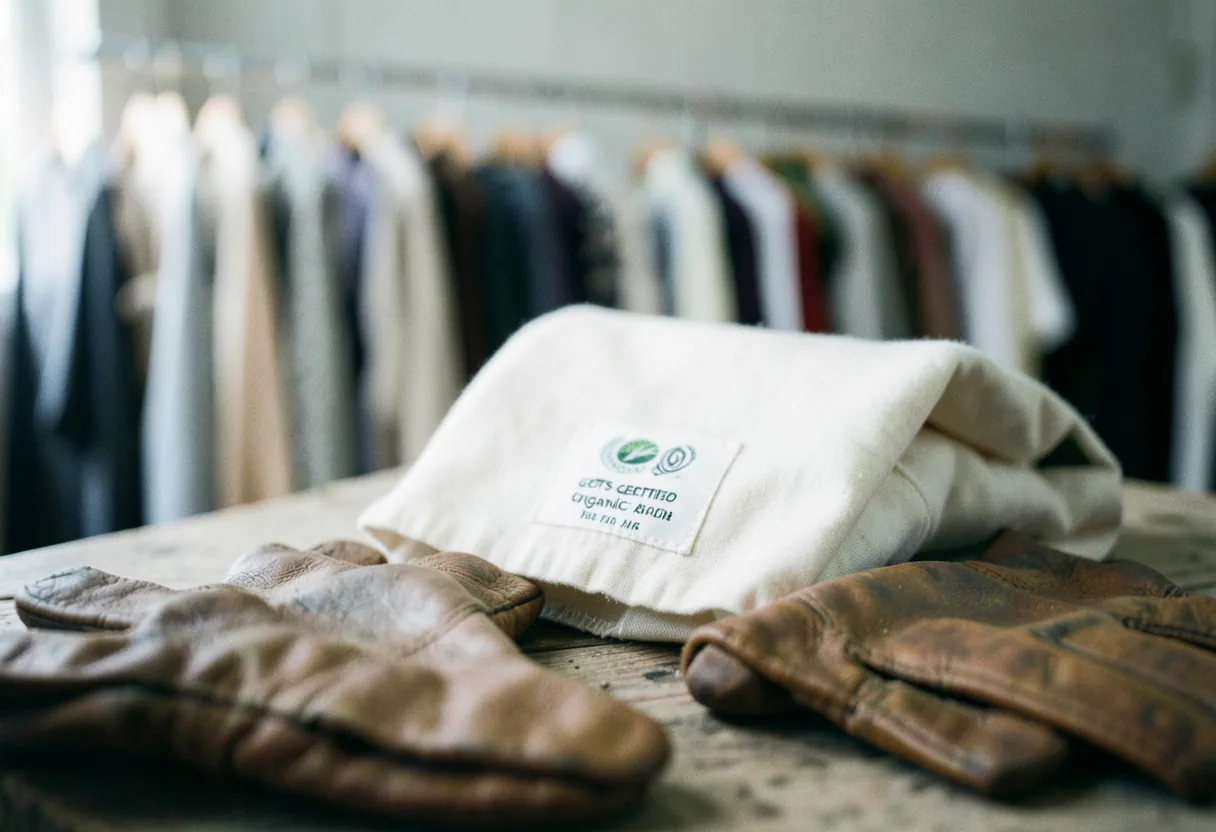
What does “sustainably sourced clothing” mean?
Sustainably sourced clothing is made from materials that are responsibly harvested or produced, with minimal environmental footprint and ethical labor practices throughout the supply chain.
The term encompasses fabrics like organic cotton, recycled polyester, and Tencel, all of which are produced with lower environmental impact compared to conventional materials. Brands that prioritize fair wages, safe working conditions, and minimal waste in production also contribute to sustainably sourced clothing.
What is an example of sustainable sourcing?
An example of sustainable sourcing is Patagonia’s use of recycled materials. The brand sources recycled polyester from plastic bottles and reclaimed nylon from old fishing nets, significantly reducing waste and reliance on virgin resources.
Patagonia also partners with suppliers certified by the Fair Trade Certified program, ensuring fair wages and safe conditions for workers. This commitment to transparency and sustainability sets a strong example for the industry.
What is sustainability in the fashion industry?
Sustainability in the fashion industry refers to practices that minimize environmental harm, promote ethical labor conditions, and ensure long-term viability of resources.
This includes using eco-friendly materials, reducing water and chemical use in production, and adopting circular economy principles like recycling and upcycling. Brands like Stella McCartney and Reformation lead the way by integrating sustainability into their core business models, proving that fashion can be both stylish and responsible.
Barriers to sustainable sourcing in the apparel and fashion luxury industry
The primary barriers to sustainable sourcing include higher costs, lack of transparency in supply chains, and resistance to change among traditional manufacturers.
For luxury brands, maintaining exclusivity while adopting sustainable practices can be challenging. Consumer demand for ethical products is driving change. Brands like Gucci, under the Kering group, have committed to using 100% renewable energy in their operations by 2025, demonstrating that sustainability and luxury can coexist.
How can fashion brands be more sustainable?
To be more sustainable, fashion brands should start by auditing their supply chains for environmental and labor practices. Investing in certified sustainable materials, reducing waste, and adopting transparent manufacturing processes are key steps.
Brands can also educate consumers about the benefits of sustainable sourcing and the impact of their purchasing decisions. Partnering with organizations like the Sustainable Apparel Coalition can provide frameworks and tools to measure and improve sustainability efforts.
Sustainable fashion supply chain: Lessons from H&M
H&M has made significant strides in sustainable sourcing by committing to using 100% recycled or other sustainably sourced materials by 2030.
Conscious Collection” from the brand emphasizes organic cotton, recycled polyester, and Tencel. H&M also collaborates with suppliers to improve working conditions and reduce environmental impact, offering valuable lessons for other brands looking to transition to sustainable sourcing.
Sustainable materials fashion
Organic cotton, recycled polyester, Tencel, and hemp are materials in fashion that are sustainable. These materials are chosen for their lower environmental impact compared to conventional fabrics.
For example, organic cotton uses significantly less water and no synthetic pesticides, making it a more eco-friendly alternative. Recycled polyester reduces plastic waste by repurposing bottles and other plastics into new fibers. Tencel, made from sustainably sourced wood pulp, is known for its biodegradability and softness.
Sustainable fashion business
A sustainable fashion business prioritizes ethical practices, eco-friendly materials, and transparency in its operations.
Brands like Eileen Fisher and Reformation have built their business models around sustainability, proving that ethical practices can be profitable. These brands focus on durability, recyclability, and fair labor practices, setting a standard for the industry.
Sustainable fashion and Textiles
Innovations in textile production drive the fashion industry towards greater sustainability, with fashion and textiles closely linked.
Piñatex, a leather alternative made from pineapple leaves, offers a sustainable option for fashion designers. Similarly, innovations in dyeing processes, such as using natural dyes or waterless dyeing techniques, reduce the environmental impact of textile production.
Sustainable fashion course
A sustainable fashion course provides education on the principles and practices of sustainable sourcing, materials, and production methods.
Courses like those offered by the Fashion Institute of Technology (FIT) and the London College of Fashion cover topics such as sustainable materials, ethical labor practices, and circular fashion. These courses are designed for both aspiring designers and industry professionals looking to integrate sustainability into their work.
Sustainable sourcing in fashion certifications
Certifications like GOTS, Oeko-Tex, and Fair Trade Certified validate sustainable sourcing in fashion by ensuring materials and practices meet specific environmental and social standards.
In plain terms: These certifications are like the organic or fair-trade labels you see on food products, they provide assurance that the clothing meets certain sustainability criteria.
Key facts
- GOTS certification ensures textiles contain at least 70% organic fibers and meet strict environmental and labor standards.
- Oeko-Tex certification guarantees textiles are free from harmful substances, ensuring safety for both consumers and the environment.
- Fair Trade Certified ensures fair wages, safe working conditions, and community development for workers in the supply chain.
- According to the Global Organic Textile Standard, GOTS-certified products must comply with environmental criteria across the entire supply chain.
How sustainable sourcing certifications work
Certifications for sustainable sourcing in fashion work by auditing and verifying that materials and manufacturing processes meet specific environmental and ethical standards.
To obtain certification, brands must undergo rigorous assessments by third-party organizations. These assessments evaluate everything from the origin of raw materials to the working conditions in factories. Certifications like GOTS and Oeko-Tex provide consumers with a trusted indicator of sustainability.
Top sustainable sourcing certifications
GOTS, Oeko-Tex, and Fair Trade Certified rank among top sustainable sourcing certifications, each targeting unique sustainability aspects.
Key facts
- GOTS (Global Organic Textile Standard) focuses on organic fibers and sustainable processing.
- Oeko-Tex ensures textiles are free from harmful substances.
- Fair Trade Certified promotes fair wages and safe working conditions.
- Other notable certifications include the Bluesign system, which ensures sustainable textile production, and the Forest Stewardship Council (FSC) certification for responsible forest management.
| Certification | Focus Area | Key Criteria | Industry Impact |
|---|---|---|---|
| GOTS | Organic fibers and sustainable processing | At least 70% organic fibers, environmental and labor standards | Ensures organic integrity and sustainable production |
| Oeko-Tex | Harmful substance-free textiles | Textiles free from harmful chemicals | Provides safety assurance for consumers and the environment |
| Fair Trade Certified | Fair wages and safe working conditions | Fair wages, safe working conditions, community development | Promotes ethical labor practices |
| Bluesign | Sustainable textile production | Resource efficiency, consumer safety, air and water emissions, occupational health and safety, and corporate social responsibility | Ensures sustainable and safe textile production |
| FSC | Responsible forest management | Sustainable forest practices, biodiversity conservation, indigenous people’s rights | Promotes responsible sourcing of forest products |
GOTS certification
GOTS certification is best for brands prioritizing organic materials and sustainable processing. It ensures that textiles contain at least 70% organic fibers and meet strict environmental and labor standards.
Rigorous and costly certification processes can be a barrier for smaller brands. However, the long-term benefits of consumer trust and market differentiation often outweigh the initial investment.
Oeko-Tex certification
Oeko-Tex certification is ideal for brands focused on ensuring their textiles are free from harmful substances. It provides a strong safety assurance for consumers and the environment.
Main drawback is incomplete coverage of environmental and labor practices compared to GOTS or Fair Trade Certified. However, it is a valuable addition to other certifications for brands aiming for a holistic sustainability approach.
Fair Trade Certified
Fair Trade Certified is best for brands committed to ethical labor practices and fair wages. It promotes community development and safe working conditions across the supply chain.
Main drawback is not addressing environmental criteria specifically, making it less comprehensive than certifications like GOTS. However, it complements other certifications well for brands aiming for both ethical and environmental sustainability.
Bluesign certification
Bluesign certification is suitable for brands focused on sustainable textile production. It ensures resource efficiency, consumer safety, and minimal environmental impact throughout the production process.
Certification processes often present complexity and cost challenges, especially for smaller brands. However, it provides a comprehensive framework for sustainable textile production, making it a valuable certification for larger brands.
FSC certification
FSC certification is ideal for brands sourcing materials from forests. It ensures responsible forest management, biodiversity conservation, and indigenous people’s rights.
Specificity to forest products is the primary drawback, limiting applicability to brands not using wood-based materials. However, it is a crucial certification for brands committed to responsible sourcing of forest products.
How to choose the right certification for sustainable sourcing
To choose the right certification, consider your brand’s priorities and the specific aspects of sustainability you want to address.
- Identify your sustainability goals: Determine whether your focus is on organic materials, harmful substance-free textiles, ethical labor practices, or responsible forest management.
- Evaluate certification criteria: Review the key criteria of each certification to ensure they align with your brand’s values and goals.
- Assess the certification process: Consider the complexity and cost of the certification process to ensure it is feasible for your brand.
- Consult with experts: Seek guidance from sustainability consultants or certification bodies to make an informed decision.
Sustainable sourcing certifications and consumer trust
Certifications for sustainable sourcing build consumer trust. According to a survey by Nielsen, 73% of global consumers are willing to change their purchasing habits to reduce negative environmental impact.
Sustainability certifications offer a trusted indicator, helping consumers make informed choices. Brands that invest in certifications like GOTS, Oeko-Tex, and Fair Trade Certified demonstrate their commitment to sustainability, fostering stronger consumer loyalty and trust.
Sustainable sourcing certifications and market differentiation
Offering market differentiation, sourcing certifications help brands stand out in a competitive industry.
According to a report by McKinsey, sustainability is a key driver of consumer purchasing decisions, with 60% of consumers willing to pay more for sustainable products. Certifications provide a tangible way for brands to communicate their sustainability efforts, attracting environmentally conscious consumers and gaining a competitive edge.
Sustainable sourcing certifications and regulatory compliance
Certifications for sustainable sourcing help brands meet regulatory requirements. Many regions have implemented strict environmental and labor regulations, making certifications a valuable tool for ensuring compliance.
Aiming to protect human health and the environment from chemicals is the European Union’s REACH regulation. Certifications like Oeko-Tex ensure textiles comply with these regulations, helping brands avoid legal issues and fines.
Sustainable sourcing certifications and long-term sustainability
Certifications for sustainable sourcing promote continuous improvement and accountability, contributing to long-term sustainability.
Regular audits and assessments ensure brands maintain high sustainability standards. This continuous evaluation fosters a culture of accountability and drives long-term sustainability efforts.
Sustainable sourcing certifications and the future of fashion
As consumer demand for sustainability grows, sustainable sourcing certifications will play an increasingly important role in the future of fashion.
Sustainability-focused businesses investing in certifications will be better positioned to meet consumer expectations and thrive in a competitive market. Certifications provide a roadmap for sustainable practices, helping brands navigate the complexities of the fashion industry and contribute to a more sustainable future.
Sustainable sourcing in fashion certifications explained
Validating sustainable practices through sustainable sourcing is the focus of fashion certifications.
GOTS, Oeko-Tex, and Fair Trade Certified are sustainable sourcing certifications ensuring materials and manufacturing processes meet specific environmental and ethical standards. Recognizing these certifications is vital for brands looking to incorporate sustainability into their operations and convey their initiatives to consumers.
Why certifications matter for sustainable sourcing
Trustworthy sustainability certifications build consumer trust and offer market differentiation in sourcing.
According to a report by the Global Fashion Agenda, certifications are a key driver of sustainability in the fashion industry. They ensure accountability, promote continuous improvement, and help brands comply with regulatory requirements. Investing in certifications is a crucial step for brands committed to sustainable sourcing.
How to implement sustainable sourcing certifications
To implement sustainable sourcing certifications, brands should start by identifying their sustainability goals and choosing the right certification.
Consult with experts, evaluate the certification process, and ensure compliance with the key criteria. Regular audits and assessments are essential for maintaining certifications and fostering long-term sustainability efforts.
Sustainable sourcing certifications and the role of technology
Technology plays a crucial role in implementing and maintaining sustainable sourcing certifications.
Tools like blockchain can enhance transparency and traceability in the supply chain, ensuring compliance with certification criteria. Data analytics and AI can also help brands identify areas for improvement and optimize their sustainability efforts.
Sustainable sourcing certifications and the role of collaboration
Collaboration is essential for successful sustainable sourcing certifications. Brands should work with suppliers, certification bodies, and industry organizations to ensure compliance and continuous improvement.
According to a report by the Ellen MacArthur Foundation, collaboration is a key driver of circular economy principles in the fashion industry. By working together, brands can share best practices, leverage resources, and accelerate sustainability efforts.
Sustainable sourcing certifications and the role of education
Education is crucial for understanding and implementing sustainable sourcing certifications. Brands should invest in training programs for employees and suppliers to ensure compliance and foster a culture of sustainability.
Courses like those offered by the Fashion Institute of Technology (FIT) and the London College of Fashion provide valuable education on sustainable materials, ethical labor practices, and circular fashion. By priorit
Frequently asked questions
What exactly is sustainable sourcing in fashion?
Sustainable sourcing in fashion refers to the practice of obtaining materials and producing garments in an environmentally friendly and ethically responsible manner. This includes using organic or recycled fabrics, reducing waste, and ensuring fair labor practices. Certifications like GOTS or OEKO-TEX help verify these standards, making it easier for consumers to identify truly sustainable products.
How do certifications ensure sustainable sourcing in fashion?
Certifications like the Global Organic Textile Standard (GOTS) or the Sustainable Apparel Coalition’s Higg Index set strict criteria for environmental and social responsibility. They require transparency in the supply chain, limit harmful chemicals, and enforce fair wages. Brands with these certifications undergo regular audits, ensuring compliance and providing consumers with reliable, third-party verified information.
Which certifications are most respected in sustainable fashion?
The most respected certifications include GOTS for organic textiles, OEKO-TEX for non-toxic materials, and Fair Trade Certified for ethical labor practices. The Higg Index, developed by the Sustainable Apparel Coalition, is another key tool, measuring environmental and social impacts across the entire supply chain. These certifications help consumers trust that their purchases align with sustainability goals.
Can small brands afford sustainable sourcing certifications?
Smaller brands can indeed pursue sustainable certifications, though costs and complexity vary. Programs like GOTS or OEKO-TEX offer tiered pricing, making it accessible for brands of different sizes. Many certification bodies also provide resources and guidance to help smaller businesses navigate the process, ensuring that sustainability isn’t just for large corporations.
Related Reading
- Sustainable Sourcing vs Traditional Sourcing: A Compliance Comparison
- Oeko-Tex Certification: What It Means for Sustainable Apparel Sourcing
- Gen Z & Sustainable Sourcing Trends
- Understanding Apparel Imports: Sourcing Globally Without Compromising Ethics
Sustainable Textile Certifications & Standards: guides
- Oeko-Tex Certification: What It Means for Sustainable Apparel Sourcing
- Sustainable Apparel Sourcing Guide PDF: Essential Checklists for Buyers
- Sustainable Sourcing vs Traditional Sourcing: A Compliance Comparison
- GSM Meaning: How Fabric Weight Impacts Sustainability and Sourcing
- The Environmental Impact of Fast Fashion: Why Certifications Matter